Manchester City Pursues Elliot Anderson with Record-Breaking Bid
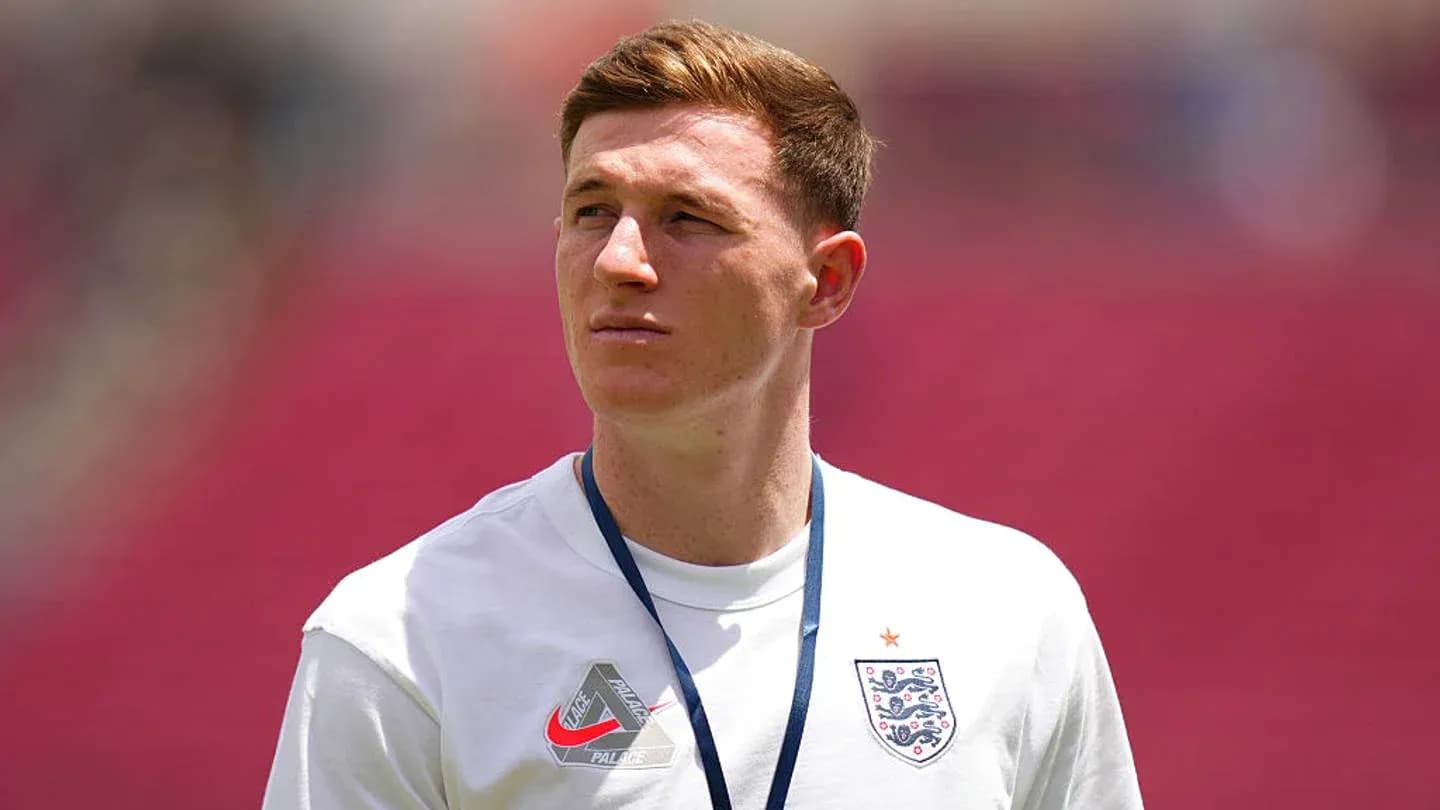
Manchester City are ready to tear up the record books for Elliot Anderson. Nottingham Forest are just as ready to make them pay every last cent for the privilege.
The Premier League champions have put a colossal offer on the table: $141.7 million (£106 million) guaranteed, with conditional add-ons pushing the deal beyond $160.4 million (£120 million). That alone would nudge past Arsenal’s 2023 move for Declan Rice, the current benchmark for an English player.
Forest’s response? Not enough.
A New Kind of Auction
Anderson’s rise has been rapid but not accidental. Across 2025–26 he grew from promising midfielder into one of the Premier League’s standout operators, his form strong enough to force his way into England’s squad for the 2026 World Cup. At 23, with three years left on his contract, Forest hold a powerful hand.
City see him as a pillar of their post-Pep Guardiola era: a modern, all-round midfielder who can knit together possession, break lines and press with intensity. Manchester United are watching the situation closely as well, but it is City who have moved first and hardest.
The money on offer already looks extraordinary. Forest, though, are staring at a different yardstick.
David Ornstein has pointed to the 2025 transfer of Alexander Isak from Newcastle United to Liverpool as the reference point inside the Forest boardroom. Isak cost $167.1 million guaranteed, with only minor add-ons. Forest’s stance is clear: Anderson, in their eyes, belongs in that bracket or above it.
Match that, and you are not just signing a midfielder. You are rewriting the Premier League’s transfer history.
Only Neymar and Kylian Mbappé have commanded higher guaranteed fees worldwide before add-ons. Forest are daring the market to treat Anderson in the same financial language.
Why Forest Can Dig In
This is not a club backed into a corner by contract expiry or dressing-room unrest. Anderson has three years left on his deal, no release clause inviting opportunists, and a body of work that includes standout displays against both Manchester clubs in recent months.
Forest do not want to lose their star midfielder. But they can afford to be cold about it.
If nobody pays the number, they keep a player operating at an elite level for at least another year. If someone does, they bank a fee that would have been considered prohibitive not long ago and suddenly possess the kind of “mega funds” that can reshape an entire squad.
In that context, the demand for more guaranteed money is not greed; it is leverage. Forest know the precedent. They helped set it.
Back in 1993, Forest sold Roy Keane to Manchester United for a then-British record £3.75 million, with Blackburn Rovers having actually offered more. Three decades on, the numbers have exploded, but the principle is identical: the market pays what it has already proved it can pay.
The Price of a Modern Midfielder
Is Anderson at nearly $170 million outrageous? Not when you scan the recent history of Premier League midfield spending.
Rice to Arsenal. Enzo Fernández to Chelsea. Moisés Caicedo to Chelsea after Liverpool had also agreed a fee in the same stratosphere. All three deals landed in 2023, and the financial tide has only surged since then. Clubs have moved the goalposts. Forest are simply playing on the same pitch.
Anderson brings something that justifies this level of brinkmanship: versatility, athleticism, and the kind of technical polish that fits seamlessly into an elite possession side. That combination, at his age, is exactly what inflates valuations in the current market.
Forest’s comparison with Isak is not perfect — one is a striker, the other a midfielder, and Isak’s first season at Liverpool has been disrupted by fitness problems and a broken leg — but the Swedish forward’s fee still serves its purpose. It shows that English clubs will pay that tier of money for a player they believe can tilt titles.
Forest are betting that Anderson sits in that same tier. City’s offer suggests they agree, at least in principle.
City’s Long Game
From City’s perspective, this is not just about the next season or two. It is about the next decade.
Anderson turns 24 in November. If he settles and succeeds, he could anchor their midfield until the mid-2030s. Viewed through that lens, a fee creeping towards $170 million starts to look like a long-term asset rather than a short-term gamble.
City have built an era of dominance on precisely this model. David Silva, Yaya Touré, Sergio Agüero, Kevin De Bruyne, John Stones, Bernardo Silva — expensive signings who then delivered nine or ten years of high-level football. When those deals hit, the amortised cost over time makes the headline fee feel almost conservative.
Of course, there are no guarantees. Anderson will have to justify the weight of that price tag, the pressure of replacing icons, and the scrutiny that comes with being the most expensive English player in history if Forest’s demands are met.
City, though, rarely misjudge the profile they need. They are willing to push their limit on guaranteed money because they believe Anderson can be the next cornerstone of a rebuilt midfield.
Now it comes down to a familiar standoff: a selling club that knows its strength, and a buying club that believes it has found the right player at the right moment.
Somewhere between $160 million and $170 million lies the answer. The only question is whether Manchester City are prepared to cross that final line — and whether Nottingham Forest dare say no if they do.