Manchester City Secure Future of Young Talent Parker
Manchester City have won a battle the rest of Europe were watching.
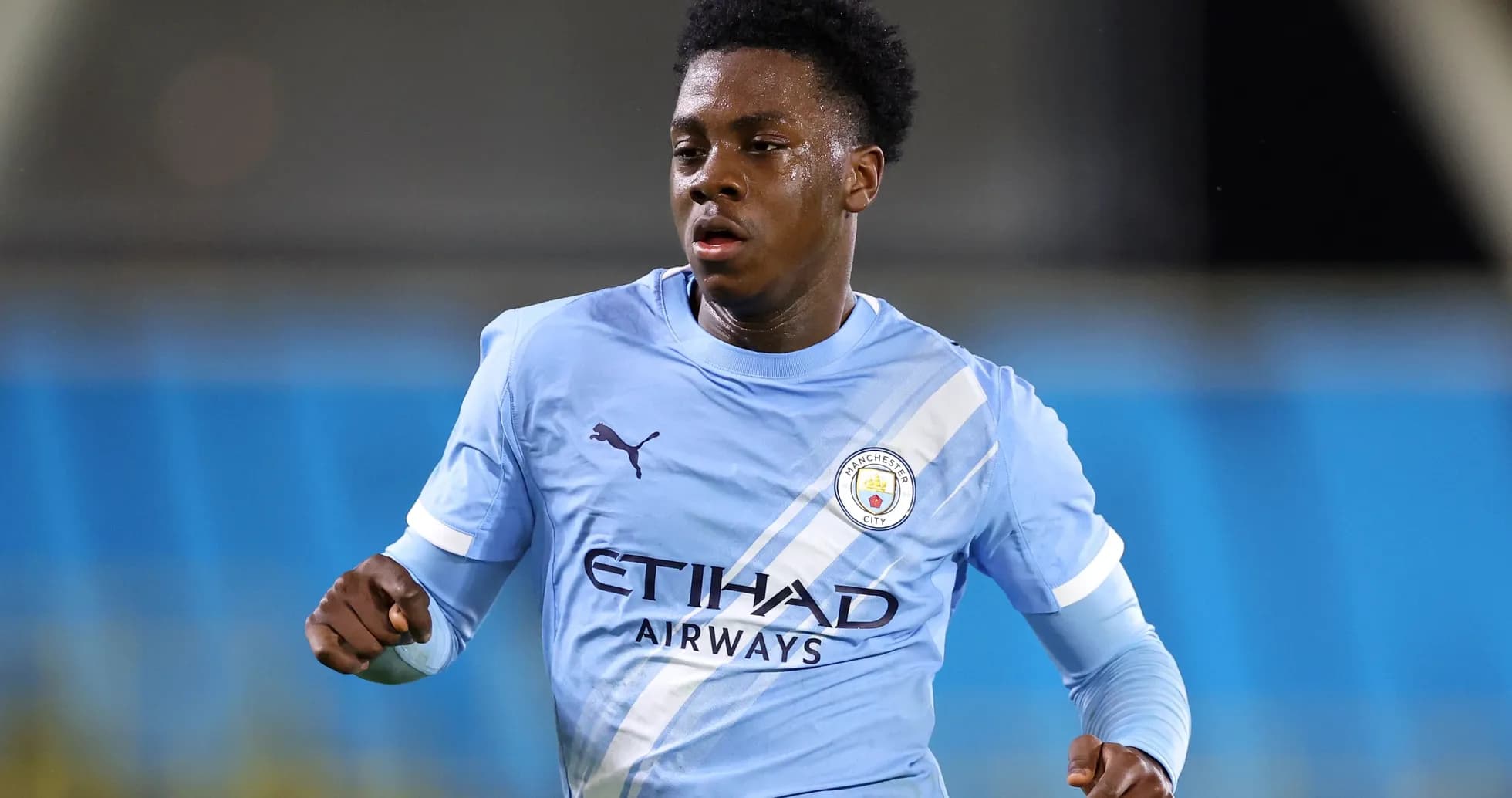
The Premier League champions have convinced 16-year-old midfield prodigy Parker to sign a new long-term deal at the Etihad Stadium, according to The Athletic, shutting down one of the most intense youth transfer chases of the summer.
His previous terms had expired and, for a brief spell, the door was open. Clubs didn’t hesitate. Manchester United, Liverpool and a string of leading sides across the continent all moved aggressively, sensing a rare chance to prise away a player widely regarded as one of the standout teenage talents in world football.
City slammed that door shut.
Maresca’s personal pitch
The turning point came from the very top of the football side. Newly-appointed head coach Enzo Maresca stepped directly into the conversation and made the case himself.
This wasn’t a token phone call. Maresca arrived armed with detail: a deep understanding of Parker’s game, his strengths, his weaknesses, and where he fits in City’s evolving tactical structure. He presented a tailored, individual plan that mapped out a clear route from academy standout to first-team regular.
For a 16-year-old, that matters. The message was simple: stay, and there is a pathway.
Parker will initially sign on scholarship terms, with the agreement structured so that it automatically converts into a full professional contract when he turns 17. It’s a long play from City, but one built around the belief that he is close to being ready now.
From Asia tour to inner circle
Maresca’s conviction didn’t come from clips or scouting reports. He had seen Parker up close.
The teenager was the youngest member of City’s pre-season tour of Asia, thrown into the senior environment and asked to cope. He did more than that. His performances on that trip left a strong impression on the new head coach, who has since kept him close to the first-team group.
Since returning from Asia, Parker has trained regularly with the senior squad, a significant marker inside a club where promotion is hard-earned. Around the training ground, the sense is growing that he is no longer just a promising academy name, but a player on the brink of a breakthrough.
Meteoric rise through the academy
Parker only joined Manchester City from West Ham in 2024, yet his ascent has been rapid.
Last season he became a central figure in City’s dominant youth setup, helping them retain the Under-18 Premier League North title. In a team stacked with talent, he stood out.
The numbers back it up. Across 21 appearances, the midfielder produced six goals and seven assists, underlining his ability to both create and finish chances. Coaches value his versatility: comfortable dictating play from deeper areas, but just as capable of driving into the final third and deciding games.
Inside the academy, they talk about his mentality as much as his technique. The club’s decision to move quickly on a long-term deal reflects a belief that his development curve is only pointing one way.
A season that could change everything
With his future secured, attention now turns to what comes next.
The 2026-27 campaign is expected to be pivotal. Parker is set to feature predominantly for the Elite Development Squad in the Under-21 Premier League, but there is a strong expectation within the club that he will make his senior debut at some stage this season.
The groundwork is already there: exposure on tour, regular training with the first team, a head coach invested in his progress. City have seen this script before with Phil Foden, and they are determined to manage Parker’s transition with similar care.
Securing the present, protecting the future
This deal also fits a wider pattern at the Etihad.
City have moved decisively in recent months to lock down key members of their core, handing new contracts to senior figures such as Phil Foden and Josko Gvardiol. Retaining Parker extends that strategy into the next generation, ensuring the production line beneath the first team remains as formidable as the side currently contesting major honours.
Rivals circled and made their pitch. City countered with a plan, a pathway and a manager willing to back it.
Now the question shifts from “Where will he go?” to “How quickly can he get there?”