Manchester City's Transition: From Dominance to Uncertainty
The Etihad has known bad nights before. This felt different.
On the back of a bruising 0–3 defeat to Arsenal in the Community Shield, Manchester City’s stadium carried the air of a place watching the end of its own golden age. This was not a sleepy pre-season blip, not a friendly to be filed under “fitness exercise”. It was the first sharp, public sign that a project built and polished over more than a decade is beginning to splinter at its foundations.
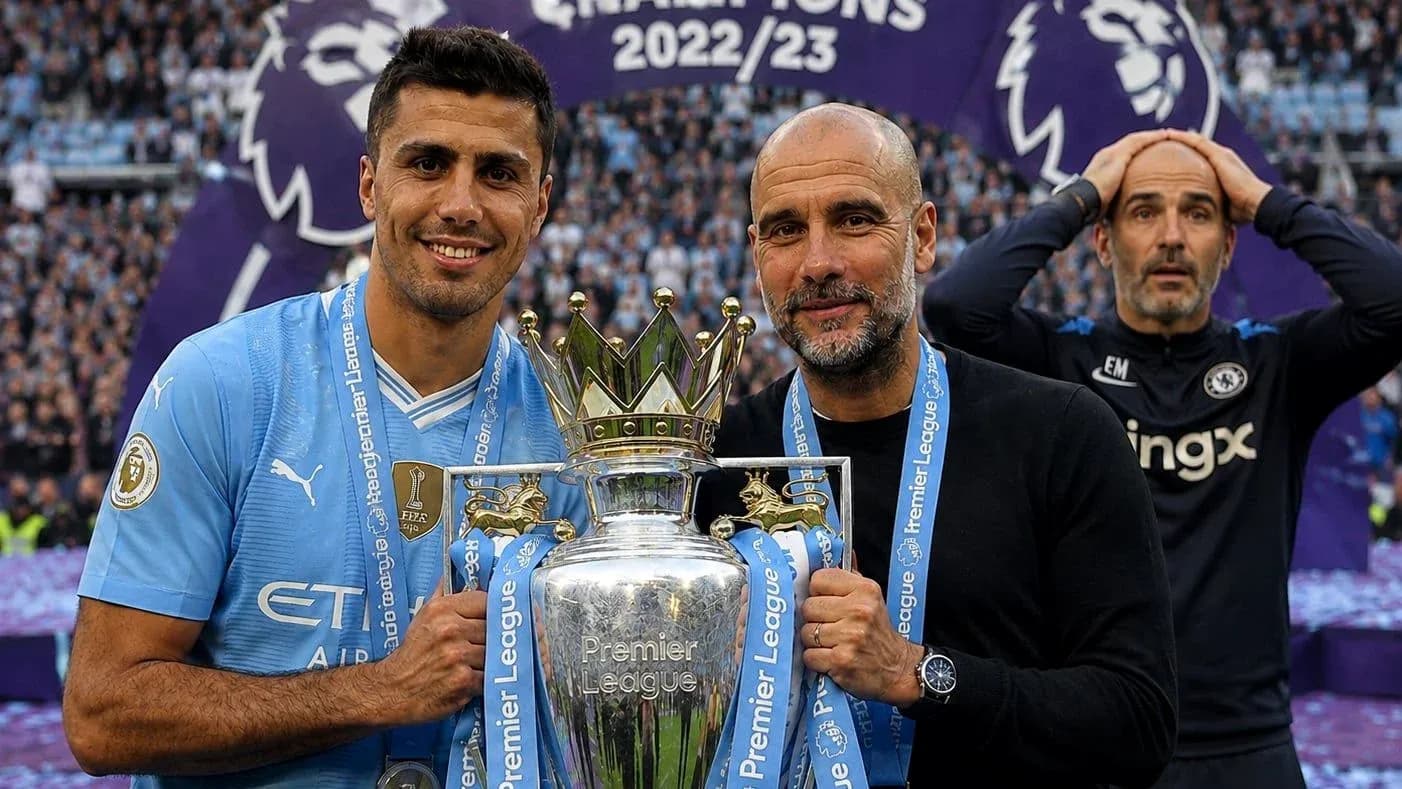
Txiki Begiristain has gone. Pep Guardiola is following him out of the door. Rodri is edging towards an exit of his own. Three pillars, one era, all shaking at once.
From machine to mystery
For years City felt inevitable. A ruthless, humming machine of control and dominance, grinding down the league with a style as clear as it was suffocating. Now they look like something else entirely: a giant searching for a new identity in unfamiliar territory.
The question is brutal and unavoidable: can City avoid becoming the next Manchester United post-Sir Alex Ferguson? Or does the simultaneous loss of their architect, their manager and their on-pitch metronome drag them into the same long, disorienting rebuild?
That debate is no longer confined to talk shows and opinion columns. It has started to play out on the pitch.
Whoever inherits this version of Manchester City is not simply taking over champions. They are walking into the shadow of an era. Enzo Maresca, the man tasked with following Guardiola, has realised that in record time.
A capable coach with titles on his CV from Leicester City and Chelsea, Maresca walked into his first serious test and hit an Arsenal brick wall. The 3–0 defeat did more than hand over a trophy. It left City with the unmistakable feeling that the easy days are over.
Life after Txiki
Ownership remains steady. Ferran Soriano is still in place as the executive brain behind the operation. On paper, the structure looks intact. In reality, City have already lost the first man who turned them from ambitious project into serial winners.
Txiki Begiristain, arguably the defining sporting director of the modern era, chose to step aside quietly more than a year ago. He did not vanish overnight. He helped manage the transition, guiding his successor Hugo Viana through the early months. But time has drawn a hard line between eras.
Begiristain signed Erling Haaland for around £60 million and Rodri for about £70 million, building a hugely expensive squad while consistently softening the blow with smart sales. It was calculated aggression in the market, not reckless spending.
Viana’s first summer tells a different story. Two signings, more than £130 million gone. The numbers alone mark a shift.
This is not a minor administrative tweak. It points to a change in the long-term vision that made City what they were. United experienced the same drift when Ferguson and the core of his structure walked away. The plan blurred. The spending stayed heavy. The direction did not.
When Pep walks, the aura walks with him
If Begiristain was the architect, Guardiola was the artist and enforcer rolled into one. He was the second pillar, and his departure cuts deeper than tactics and trophies.
Guardiola operated with a level of influence almost no modern manager enjoys. He was “untouchable”, win or lose. That status insulated him from the short-term panic that engulfs most coaches. Maresca, or anyone else who follows, will not inherit that shield.
The difference between a manager who knows he is secure and one who feels the clock ticking shows up everywhere: in bold selections, in how a team responds to a slump, in the risks a coach is willing to take. With Guardiola, City had not just a style but a certainty. Rivals felt it before a ball was kicked.
When he goes, that aura goes with him. The carefully honed positional play, the psychological stranglehold, the sense that City would always find a way – all of it is tied to Pep’s presence.
United’s history underlines the danger. After Ferguson, one experiment followed another. Different philosophies, different transfer strategies, different promises. The club spent years, and vast sums, chasing a prestige that never quite returned.
City now stand on the edge of a similar void.
Rodri: the most fragile pillar of all
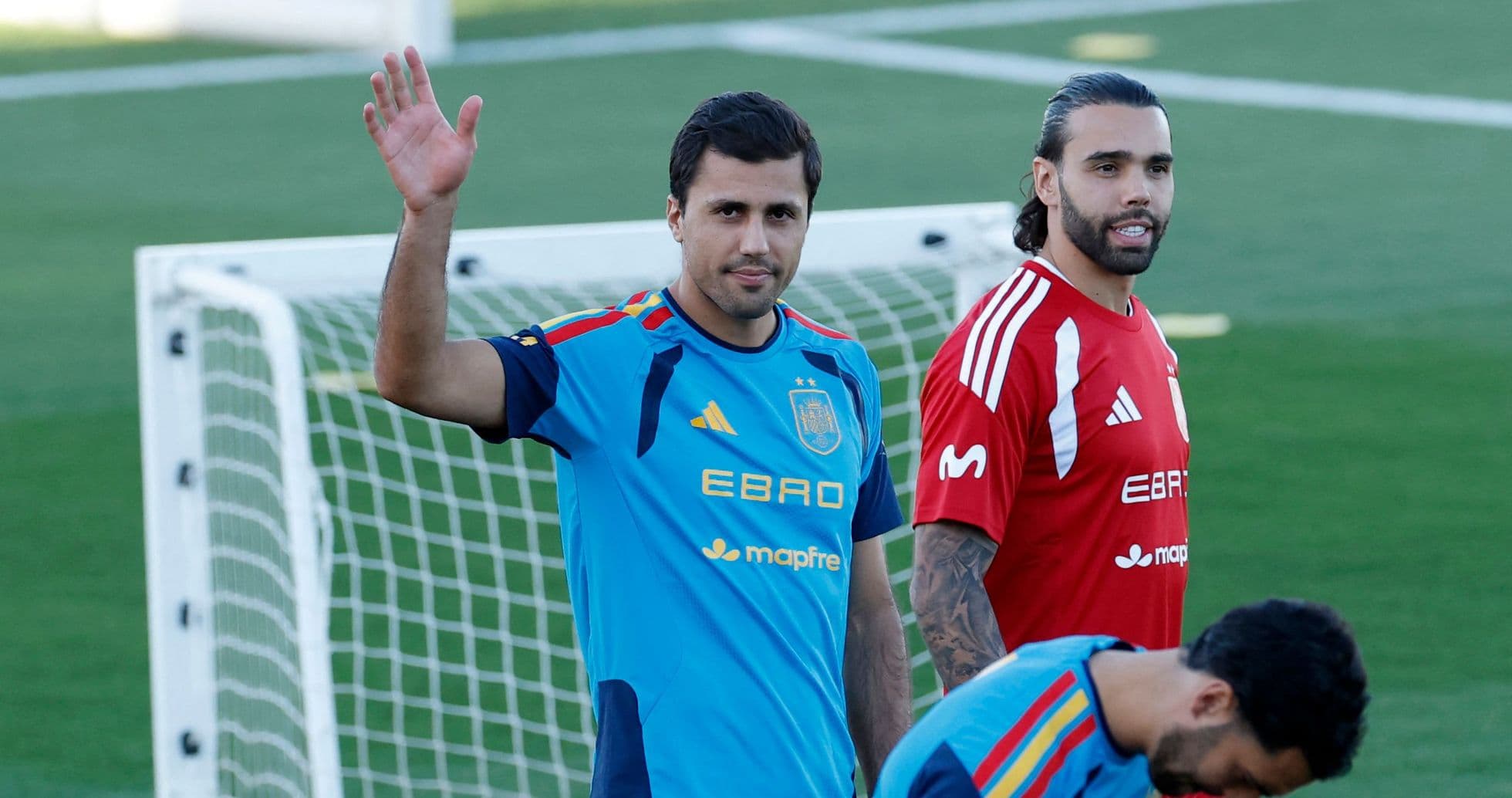
And then there is Rodri, the third and most fragile pillar, because his departure is still technically ahead, not behind.
Few midfielders in world football can drag a team from one level to another the way the Spaniard does. With him, City looked like champions-in-waiting most weeks. Without him, they often looked strangely ordinary.
The evidence is already on file. In his previous absences, City’s midfield lost its balance. The structure that had seemed unbreakable suddenly wobbled. Passing lanes opened up for opponents. The calm, positional discipline that Rodri brought vanished, and with it went a large slice of City’s control.
His expected exit feels like a direct hit to the team’s core. Replacing that influence in the short term is not just difficult. It might be impossible.
Football history is full of cautionary tales: sides that lost their central figure and saw the rest of the structure collapse. From deep-lying playmakers to dominant centre-backs, once the irreplaceable man goes, the aura often goes too. There is little reason to assume City will be immune.
A rebuild they did not plan for
City still have weapons. Their financial power remains enormous. Their infrastructure is modern and settled. Their owners are not panicking or changing hands.
But the three minds who built the project – Txiki, Pep, Rodri as the on-field extension of that brain – are either gone or on their way out. That reality has pushed City into a genuine rebuilding phase, whether they admit it publicly or not.
Maresca’s task is brutally complex: craft a new identity, keep the results coming, and do it all under the weight of a fanbase and hierarchy that have grown used to near-perfection. He has never faced pressure like this at a club of this size.
The Community Shield defeat does not decide a season. It does something else: it strips away the illusion that this is just a seamless continuation of the Guardiola era. The balance and solidity that defined City in recent years were missing. Arsenal did not just beat them; they exposed them.
If that pattern bleeds into the opening weeks of the league campaign, the club may find themselves forced into a deeper, more ruthless rebuild than anyone around the Etihad had planned. That is exactly how United slid into their long post-Ferguson tunnel: one bad season, then another, each new fix creating fresh problems.
What happened at Old Trafford after 2013 stands as a warning etched in Premier League history. Administrative upheaval, coaching turnover, chaotic spending – all of it combined to produce noise, not titles.
City still have a chance to dodge that fate. Their ownership is stable. Their financial planning, at least structurally, remains sound. The platform is stronger than United’s was a decade ago.
But the first real crack appeared against Arsenal. The fear of repeating their neighbour’s mistakes is no longer paranoia. It is a live possibility.
The era built on Txiki’s vision, Pep’s genius and Rodri’s authority may never be recreated with the same force. The next few months will tell us if Manchester City can bend this transition to their will – or if they are about to discover how long and cold a rebuilding tunnel can really be.