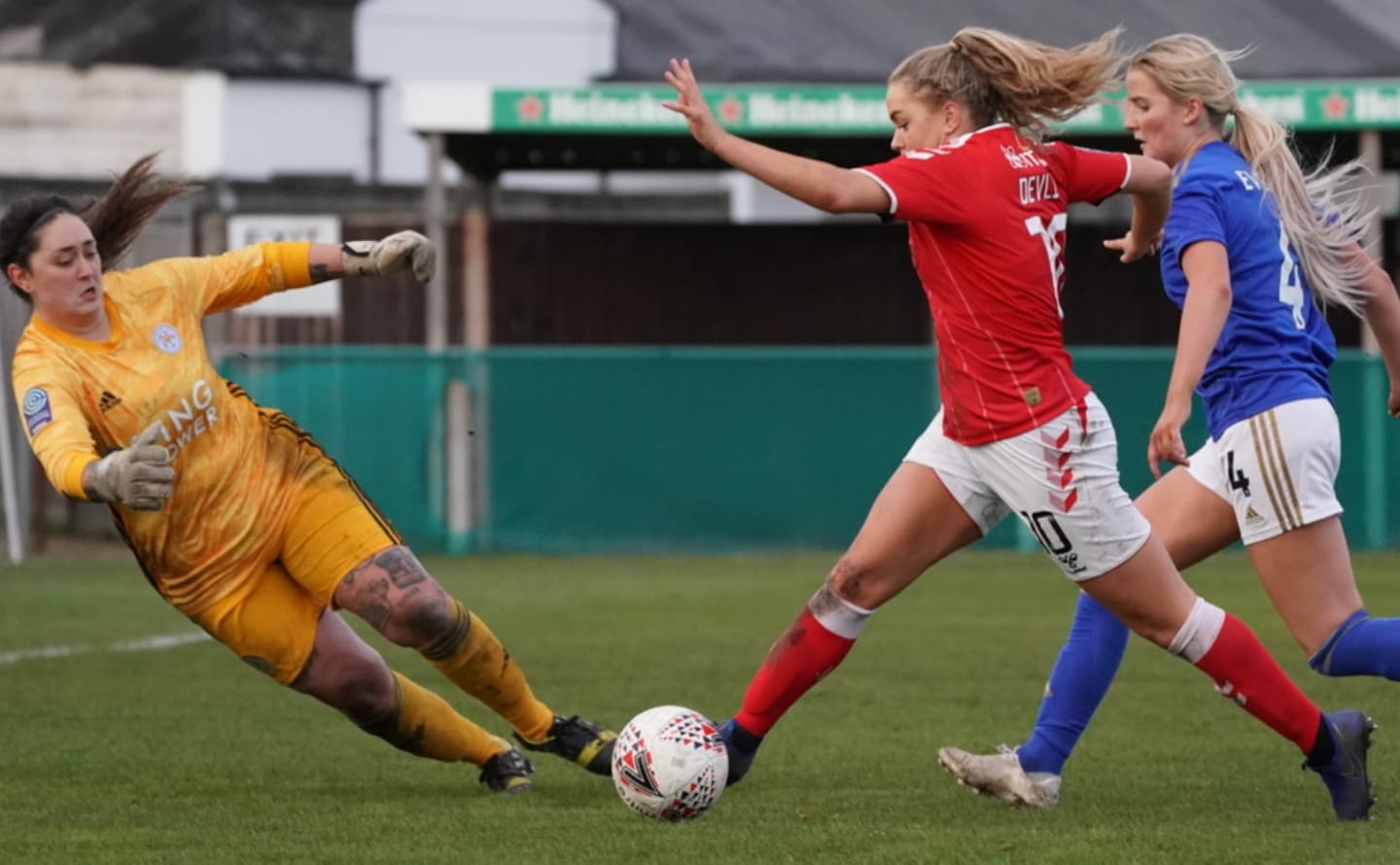
Manchester City W Dominates West Ham W in 4–1 Victory
The Chigwell Construction Stadium felt like a measuring stick more than a finale. Following this result, a 4–1 win for champions Manchester City W over West Ham W, the league table and the performances on the pitch told a coherent story: first against tenth, a side with 62 goals for and 19 against overall imposing its structure on a team whose overall goal difference of -25 (20 scored, 45 conceded) encapsulates a season spent firefighting.
I. The Big Picture – styles colliding
West Ham W’s campaign has been defined by volatility. Overall they averaged 0.9 goals for and 2.0 goals against per game, with their home numbers (1.2 scored, 2.2 conceded on average) painting a side that is more expansive in Essex but also more exposed. Their form string heading into this game — a long sequence of Ls punctured by the odd draw and win — reflected a team still searching for a stable identity despite spells in a 3-4-3 and 4-2-3-1.
Manchester City W arrived as a finished article. Overall they won 18 of 22, with a perfect home record and formidable away profile: 7 away wins, 1 draw, 3 defeats, scoring 24 and conceding 11 on their travels. Their overall attacking average of 2.8 goals per match and defensive average of 0.9 conceded underscored a champion’s balance. Even without explicit xG figures, the shot and chance creation data for their forwards implied a side that consistently generates high-quality opportunities.
The 4–1 scoreline fitted that seasonal DNA. City were ruthless in moments, West Ham brave but too porous to survive prolonged pressure.
II. Tactical Voids – discipline and the thin margins
For West Ham W, the structural fragility has often been as much mental as tactical. Overall, they have taken 42.31% of their yellow cards in the 76–90' window, a pronounced late-game surge that hints at fatigue, desperation presses and recovery fouls once the game stretches. That pattern loomed over this fixture: against a City side that keeps their tempo high into the second half, those late yellow surges become a liability rather than a sign of fight.
Inès Belloumou’s disciplinary profile is a microcosm. Across the season she collected 2 yellow cards and 1 red, with 22 tackles and 8 interceptions in relatively limited minutes. She is aggressive, front-foot, and useful when West Ham step up, but that risk profile against an elite transition side can leave Rita Guarino’s back line on a knife-edge.
Viviane Asseyi adds another combustible element. With 4 yellow cards and 28 fouls committed overall, she walks the line between combative and costly. Her 37 fouls drawn show she lives in the most contested spaces, but against City’s technical midfield, every mistimed press risks cheap set-pieces and territory.
City, by contrast, have managed their aggression. Their yellow card distribution peaks at 42.86% between 46–60', suggesting an intensity spike straight after half-time, but they avoid late chaos; there is no recorded yellow surge in 76–90'. Alex Greenwood’s 4 yellows come alongside 11 tackles, 11 interceptions and 5 blocked shots — the profile of a defender who steps in at the right time rather than arriving late.
III. Key Matchups – Hunter vs Shield, Engine Room
Hunter vs Shield was brutally clear: Khadija “Bunny” Shaw, the league’s leading scorer, against a defence that had conceded 24 at home across 11 matches. Shaw’s 16 goals and 3 assists overall, from 71 shots (38 on target), framed her as an all-phase threat. She is not just a penalty-box finisher; 21 key passes and 39 dribble attempts, with 24 successful, show a forward who can drop in, combine, and then attack the space behind.
Against a West Ham unit that has only kept 1 clean sheet at home overall, the matchup was asymmetrical. Oona Siren and Emma Nystrom were asked to manage a striker who wins 95 of 179 duels overall and can pin a back line almost single-handedly. Once Shaw establishes that physical platform, runners like Lauren Hemp and Mary Fowler can rotate around her.
Hemp, with 6 assists and 38 key passes overall, is City’s chaos generator from wide areas. Her duel volume (117 total, 51 won) and 39 dribble attempts (18 successful) describe a winger who relentlessly attacks full-backs. Up against Yui Endo and Belloumou, Hemp’s ability to drag defenders out and whip early deliveries tilted the flank battle decisively.
The Engine Room battle centred on Yui Hasegawa and West Ham’s creative fulcrums, particularly Katie Zelem and Asseyi. Hasegawa’s metronomic passing and City’s preferred 4-2-3-1/4-1-4-1 structures ensured they consistently had an extra player between the lines. West Ham’s season-long struggle — only 0.6 goals on their travels but a slightly healthier 1.2 at home — has often come from being unable to connect midfield to attack quickly enough against elite presses. Here, even at home, they were forced too deep, leaving Viviane Asseyi and Riko Ueki chasing longer balls rather than combining in central pockets.
For West Ham, the “Hunter” role fell to Shekiera Martinez, their top scorer overall with 5 goals. But starting from the bench in this fixture, she became more of a late-game gambit than a structural pillar. Her 37 dribble attempts and 10 key passes show she can destabilise back lines, yet by the time she could influence the game, City were already in control of territory and tempo.
IV. Statistical Prognosis – City’s control, West Ham’s ceiling
Following this result, the numbers and the narrative align. City’s season-long attacking average of 2.8 goals per match and defensive concession of 0.9 made a multi-goal away win statistically plausible, even against a West Ham side that had occasionally punched above their weight at home. Their 8 clean sheets overall underline a defensive unit that, anchored by Greenwood’s positioning and supported by high-intensity midfield pressing, rarely allows prolonged pressure.
West Ham’s overall profile — 5 wins, 4 draws, 13 defeats, with 9 matches failing to score — suggests a side whose margin for error is almost non-existent against top opposition. Even when they find a goal, as they did here, their inability to consistently limit chances the other way leaves them vulnerable to exactly the kind of 4–1 scoreline that unfolded.
In tactical terms, this match crystallised the gap between a coherent, data-backed champion and a side still assembling its identity. Manchester City W’s forwards, led by Shaw and supplied by Hemp and the deeper craft of creators like Kerolin and Vivianne Miedema, operate at a volume and precision West Ham currently cannot match. Unless West Ham can convert their late-game card surge into controlled aggression and stabilise their defensive structure, fixtures like this will continue to expose their ceiling — and City, with their current statistical profile, will continue to punish it.