Manchester United's Champions League Return: Financial Impact and Player Pay Rises
Manchester United’s return to the Champions League will not just reshape their season. It will reshape their balance sheet – and their dressing room pay packets.
Carrick delivers on the brief
When Michael Carrick walked in as interim manager in January, the brief was blunt: get Manchester United back into the Champions League. Nothing less would do, not after the chaos of a 15th-place finish under Ruben Amorim and a year without any European football at all.
He has done it with time to spare.
Sunday’s 3-2 win over Liverpool did more than sting their fiercest rivals. It locked United into the Premier League’s top five, with Carrick’s side sitting third on 64 points and three games left to play. In a season that began with financial anxiety and sporting embarrassment, that single result drew a thick line under the club’s worst recent chapter.
The reward? Europe’s top table – and a flood of fresh money.
Champions League: the £16m ticket
The numbers are stark. UEFA will hand every club in the Champions League league phase around £16.1 million simply for turning up. Each win in that phase is worth another £1.8m. Go deeper into the competition and the cheques get bigger again, helped along by prize money, TV revenue and the kind of commercial deals only the Champions League can unlock.
For a club that posted a net loss of £6.6m in the first financial quarter in December, largely because of the absence of European broadcasting and matchday income, this is a lifeline as much as a platform.
United have spent this season watching midweek football on television. No Europa League. No Conference League. Nothing. The cost has been counted in empty nights at Old Trafford and in the accounts.
Now, that turns. But so does something else.
Pay rises across the squad
Champions League qualification at United is not just a sporting target. It is written into contracts.
A large chunk of the first-team squad have clauses tied directly to the competition, and those clauses are about to kick in. It is understood that most of the squad will see their wages jump by 25 per cent next season.
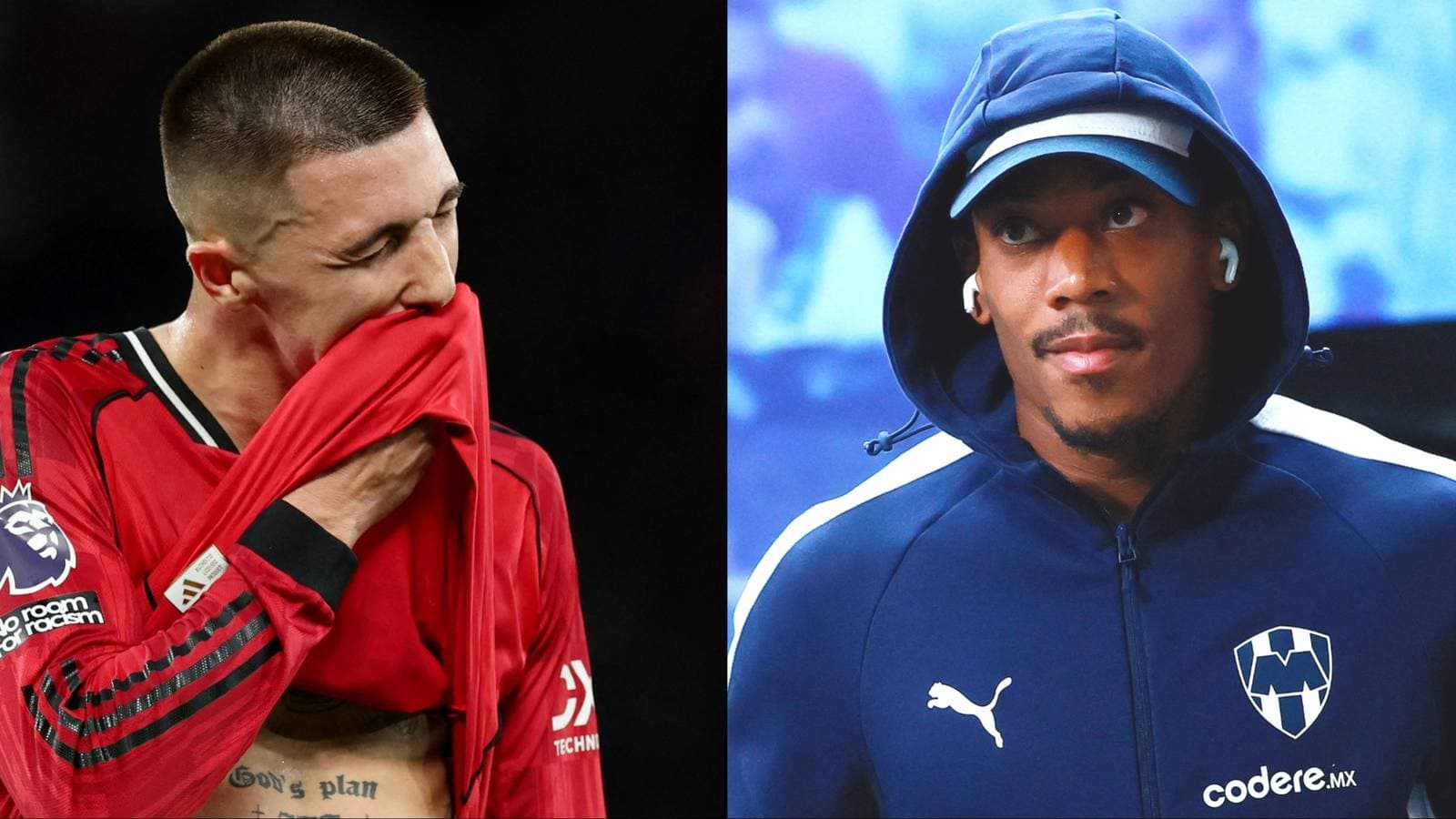
The Guardian reports that captain Bruno Fernandes will see his weekly pay rise to around £250,000. Marcus Rashford and Andre Onana are also in line for increases – if they are still on the books by August.
United would prefer they were not.
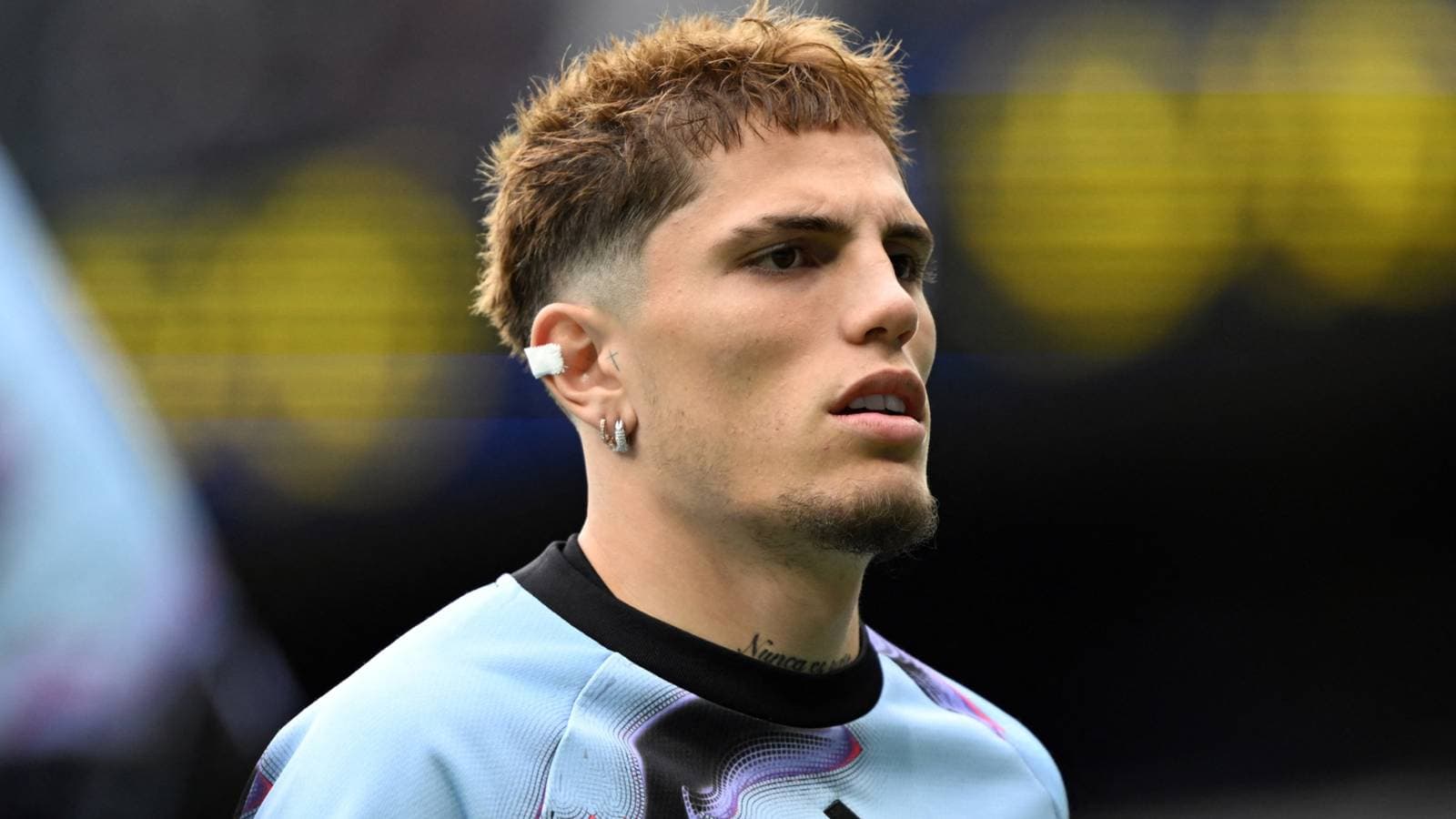
The club want a permanent sale for Rashford, currently on loan at Barcelona, and are also looking for a buyer for Onana, who has spent this campaign with Trabzonspor in Turkey. Rasmus Hojlund is already off the wage bill for next season, Napoli having triggered their option to buy the forward.
Even as revenue rises, United are trying to trim and reshape the payroll.
New deals, new incentives
Not every contract is one the club want to escape.
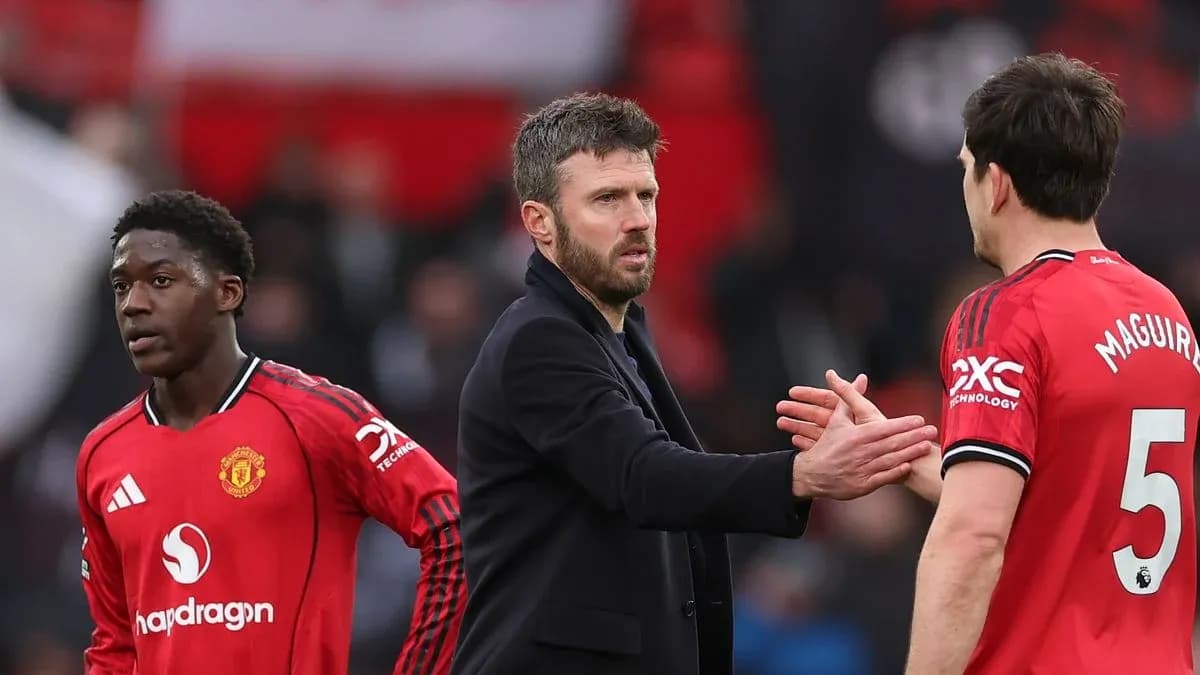
Kobbie Mainoo and Harry Maguire are among those to have recently signed new deals, each containing performance-related clauses that now move into a higher gear thanks to Champions League football. These are the kind of rises United can live with: earned on the pitch, aligned with success, and reflective of players who have fought their way back into the club’s plans.
The wage bill will swell, but so will the sense of status. For players and agents across Europe, United are once again a Champions League club. That matters in every negotiation that lies ahead this summer.
Carrick’s warning shot
Carrick, though, has refused to let the mood drift into celebration.
“The Champions League is one thing, but it's not something that we should be over-celebrating either,” he said. For him, this is a checkpoint, not a destination. “We want to be finishing high up the league really and we want to be challenging high up in the league and trying to get more points so our season doesn't get to a close when that happens.”
He knows the job is not finished. He also knows his own future is not yet secure.
Despite delivering the club’s primary objective, Carrick still does not know whether he will be handed the job on a permanent basis this summer. His case now rests on how United finish, how close they can edge to Manchester City in second, and how convincingly they can show that this surge is sustainable, not just a bounce.
The run-in and the gap to City
With a top-five finish already guaranteed, United now stare up at City and the gap that still separates them from a genuine title challenge.
The fixture list offers a clear test of focus: Sunderland, Nottingham Forest and Brighton to close the campaign. On paper, it is a run-in that invites points. On the pitch, it will reveal whether this team can maintain intensity when the minimum target has already been hit and the bonuses already assured.
United have their Champions League place. They have their financial boost. They have a dressing room about to feel richer.
What they do with that platform – and who leads them from the dugout when the anthem plays again – will define whether this season is remembered as a turning point, or just a brief, lucrative pause in a longer struggle.