Marcus Rashford’s £4m Champions League Pay Rise and Contract Issues
Manchester United’s return to the Champions League has not only reshaped Erik ten Hag’s plans. It has also reignited one of the club’s most expensive contract quirks – and Marcus Rashford is right at the heart of it.
United’s players once needed only qualification for Europe’s elite competition to trigger hefty wage uplifts. Minutes on the pitch didn’t matter. That is how Rashford, who played zero minutes for the club last season, is now in line to earn around £4million more a year than he would have done had United missed out on the top four.
Third place in the Premier League restored Champions League football and, with it, restored pay packets. After a year of reduced wages across the squad due to the absence of Europe’s top competition, several contracts have bounced back to their previous levels – and then some.
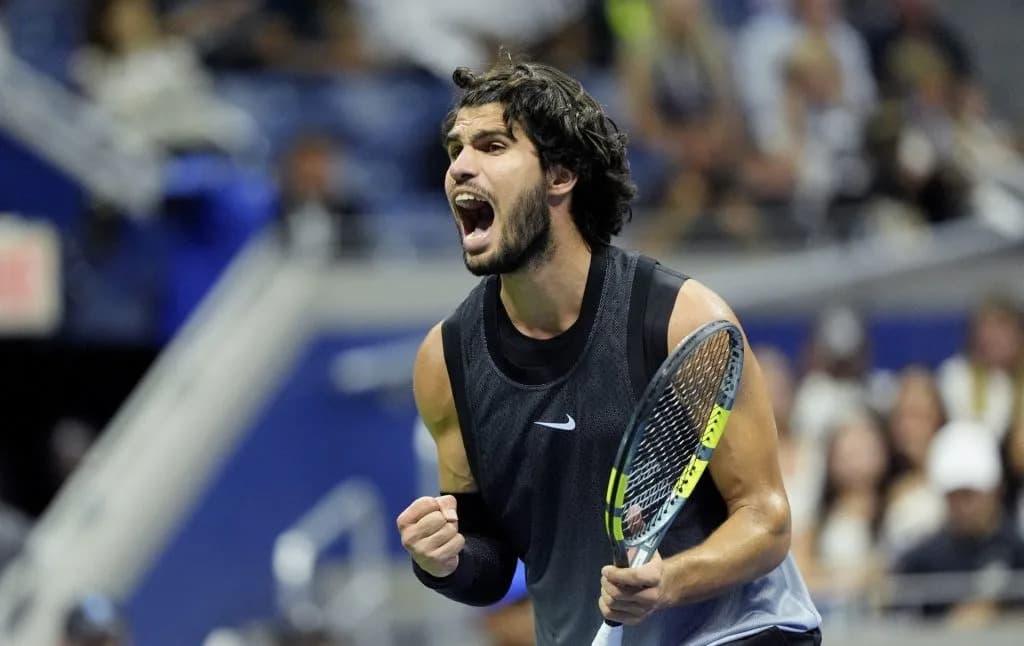
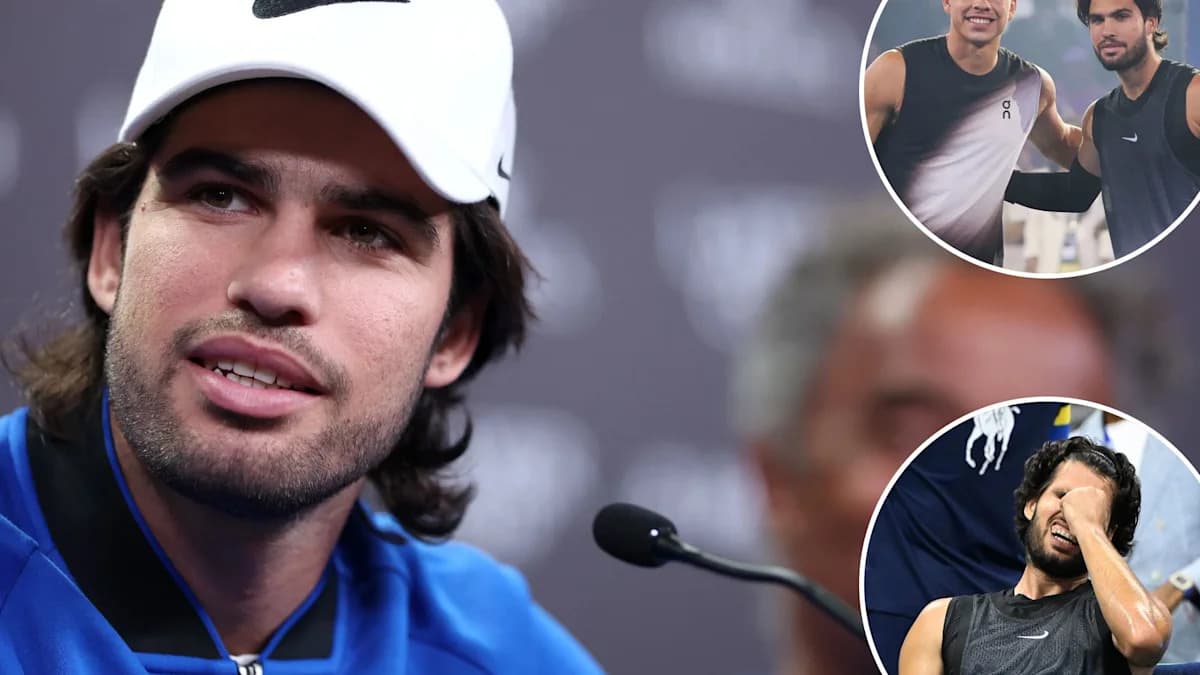
Rashford’s situation is the most striking. His current deal includes a 25 per cent pay rise tied to Champions League qualification, a clause agreed under the club’s old system. That uplift has pushed his salary back above £300,000 per week, with the increase alone worth roughly £4m annually. All this despite the England forward not featuring for United last season.
He is not alone. Mason Mount, who arrived in the same summer Rashford penned his new terms, also benefits from the same structure. His clause will cost United more than £1m extra in wages over the coming season. Andre Onana, another recruit from that window, has also seen his Champions League bonus activated, even though his wages are currently being covered by loan club Trabzonspor.
These contracts belong to a different era at Old Trafford. Stung by the financial impact of automatic uplifts, United have since tightened the rules. Under the revised framework, players must now feature in over 60 per cent of the previous league campaign – just over 2,000 minutes – to unlock Champions League-related rises.
On that measure, Rashford and Mount would fall well short. Mount played only around half the required minutes; Rashford did not step on the pitch for United. Under the new regime, neither would be anywhere near a seven-figure bonus. Joshua Zirkzee also failed to hit the 60 per cent mark last season, but his deal was signed before the updated rule came in, so his wages stay flat.
The legacy of those older contracts is now colliding with United’s attempts to reshape the squad. Both Rashford and Onana have been available for permanent transfer, yet the club has struggled to find buyers willing – or able – to absorb their salaries and bonus structures. The numbers are simply too heavy for many suitors.
Rashford’s loan spell at Barcelona underlined his enduring quality and marketability, and the Catalan club were impressed. They walked away for financial reasons rather than football ones. That, in turn, sharpened United’s desire to move him on and ease the wage bill. But the stance has softened. A significant U-turn means it now looks increasingly likely the academy product will stay at Old Trafford, at least for the coming season.
While the forward’s future steadies, the broader picture is more complicated. United’s summer business is being squeezed by these contractual legacies and the cost of missed targets. The club have done smart work to bring in Youri Tielemans and Andrey Santos on what are viewed internally as shrewd deals, but they have been priced out of moves for Elliot Anderson and Mateus Fernandes.
The consequence is stark. United may no longer have the budget to add a third midfielder, a position that had been earmarked for reinforcement. Attention is drifting instead towards a new left-back and a centre-forward, areas where depth and durability are under scrutiny.
The numbers behind Rashford’s £4m uplift tell a story bigger than one player. They reveal a club trying to drag its wage structure into a more rational era while still paying the bill for decisions made under looser rules. How long United can balance those competing forces will shape not just one transfer window, but the direction of the squad for seasons to come.