Maresca's City: Tactical Struggles Amid Off-Field Uncertainty
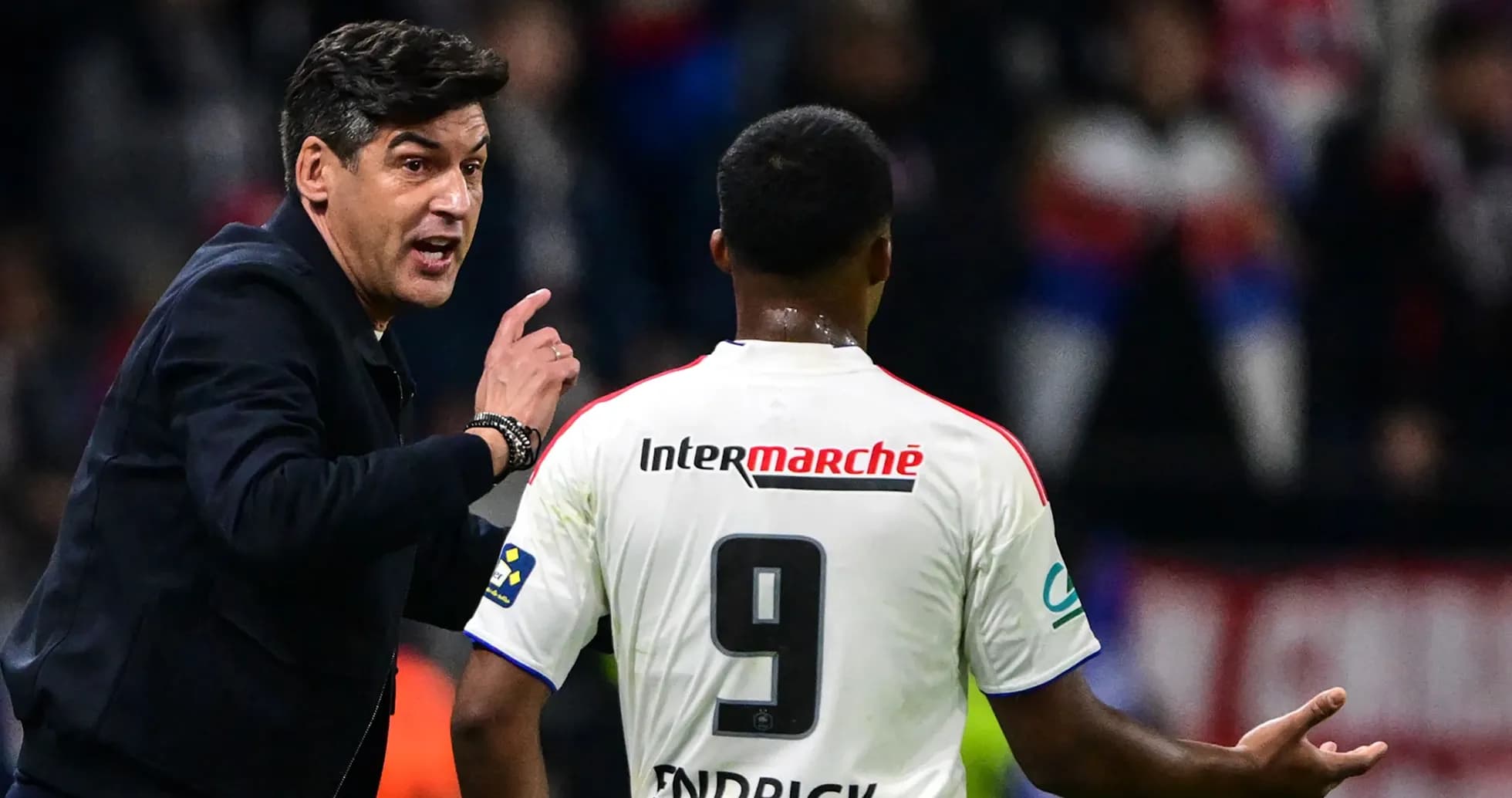
Enzo Maresca walked into the City Ground media room looking less angry than unsettled. Not confused, exactly, but irritated by a pattern he cannot quite bend back into shape.
Seven wins to start the season. Now three defeats in a row. Only once before has an English top‑flight side done that – Sheffield Wednesday in 1904-05 – and nobody is drawing inspiration from that piece of history.
Maresca’s explanation was simple enough: each defeat has been different. The numbers back him up, at least on the surface. City have had the ball, the chances, the territory. The results are laughing at them.
At Aston Villa, they saw 63% of the ball and created 15 chances to Villa’s eight, yet lost 2-1. Against Brighton at home, they tightened the screw even more: 62% possession, 21 chances to seven, and still a 1-0 defeat. At Nottingham Forest, the dominance became almost absurd – 79% possession, 12 chances to 11 – and yet the scoreboard told the same story.
So yes, Maresca can point to the data and mutter about misfortune. Forest, for their part, could point to their own numbers: third in the league for expected goals coming into the game, second-bottom for actual goals. Something had to give. It did, and it wasn’t in City’s favour.
But there is one statistic that slices through all the nuance and all the talk of bad luck. City have not kept a clean sheet since their win at Anfield after the last international break. Nine games ago. In the match before that, they conceded three to Sunderland. Seventeen goals shipped in the last eight games. Title-winning sides do not live with that.
Some of those goals, three at least, can be hung around the neck of Gianluigi Donnarumma, whose errors have been as spectacular as his reputation. Yet blaming the goalkeeper is too easy. The problems run through the structure of the team.
Maresca’s City are wide open in transition, and Forest attacked that soft underbelly with relish. This is not a new criticism. At Leicester and Chelsea, Maresca’s sides were accused of being overly cautious with the ball, almost sterile at times. That caution had a purpose. When you insist on a high defensive line, any turnover can become a fire alarm. You slow the game to limit chaos.
That is why duels are everything in this system. Lose the one-on-one, lose the ball, and suddenly a high back four is staring at runners and grass. In the first half at the City Ground, City were bullied. Maresca knew it. You could see it in the way he prowled the technical area, exasperated as his players were beaten to second balls and shrugged off challenges.
Against a centre-forward like Liam Delap, that weakness becomes glaring. Delap looked like a striker who had remembered his own power, raging against a year and more of frustration. Give him space to run into and defenders backpedalling, and the outcome is predictable.
Maresca’s midfield selection did little to protect that back line. He adores Enzo Fernández – enough that City spent £125m to prise him from Chelsea – and with good reason. Fernández is a superb technician, a sharp passer, a player who can shape a game with the ball. What he is not, by Premier League standards, is physically imposing.
At Chelsea, when Fernández and Cole Palmer shared a midfield, there was often a sense of imbalance, of a side that looked too delicate when the game turned into a fight. Maresca still found ways to get Fernández on the pitch, contorting his shape, even using Malo Gusto in that odd right-back-cum-No-10 role to cover the gaps.
The same tension is emerging at City. Rayan Cherki offers outrageous talent in the final third, a player who can unpick a defence or drift past markers with a shrug. What he does not offer is reliability without the ball. His positioning can wander, his tracking can vanish. Pep Guardiola flagged that last season. Opponents have noticed too.
Cherki can be accommodated if the platform behind him is built for the strain. Two mobile runners, one shuttler in the Elliot Anderson mould and a destroyer or controller in the Rodri role, can carry that load. But Rodri is gone. Fernández, for all his qualities, does not plug that gap. Anderson is left to do most of the legwork, covering ground, closing passing lanes, tidying up broken moves.
When he is bypassed – when a defender loses the ball high, or a counter cuts around him – the whole structure snaps. City are suddenly naked, their high line exposed, their centre-backs dragged into a sprint they never wanted to run.
Maresca spoke after the game about using the international break to reassess. For once, he admitted, a team might actually be grateful not to have a game three days later to “put it right”. There is clearly a tactical rethink on the table. Perhaps there is a way to keep Fernández and Cherki on the pitch together without leaving the back four hanging out to dry. Perhaps the answer really is as blunt as not picking them both.
The complication is that tactics are no longer the only storm cloud over this season.
During the last international break, an independent panel found City guilty of all but one of the charges brought by the Premier League. The verdict has hung over the club ever since, a slow-moving threat that could yet tear up the league table. There is a belief in some corners of the game that sanctions could be announced during this break.
Nobody outside the dressing room can say with certainty how that uncertainty bites into a squad. A points deduction on the horizon is not a normal backdrop to a campaign. Early on, it can forge defiance, a siege mentality. Over time, that can curdle into resignation. If players feel that the mountain is about to double in height, the edge in duels, the ferocity in pressing, the willingness to run one more yard can all start to fade.
So yes, this is a tactical problem. The high line, the lightweight midfield, the transitions, the duels. All of it is on Maresca’s desk.
But as City disappear into an international break, staring at a table that could yet be torn up by an off-field verdict, the real question is harsher: can a team fix its shape on the pitch while the ground is shifting beneath its feet?