Maresca Returns to Manchester City: Life After Guardiola Begins
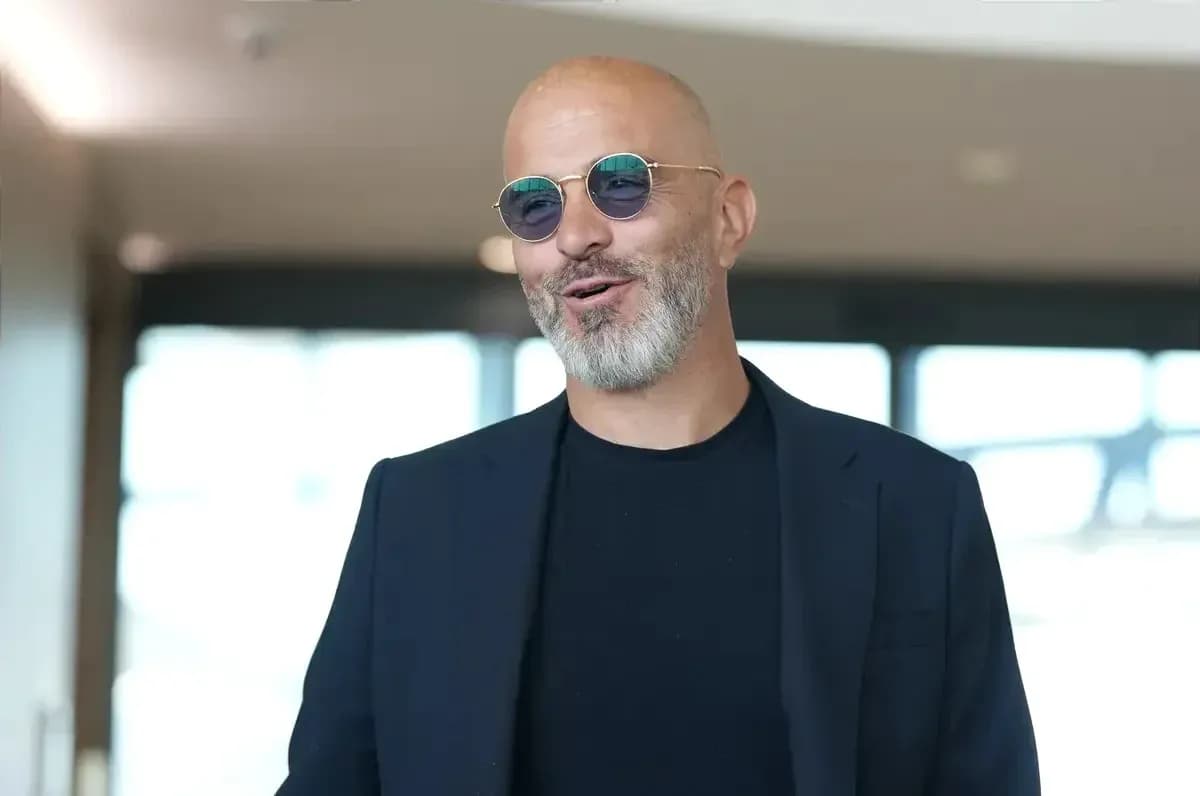
Enzo Maresca walked into the press room at the Etihad not as a wide‑eyed newcomer, but as a man returning to familiar ground. His first words made that clear.
“I feel back home,” he said. Simple, direct, and loaded with meaning for a coach who has already lived several lives inside this club.
This is not just another managerial unveiling. This is the day Manchester City officially began life after Pep Guardiola.
From Guardiola’s lieutenant to his heir
Maresca arrives with the ink barely dry on the compensation agreement with Chelsea, the club he briefly led last season. Before that, he managed Leicester City. But his real bond with Manchester City was forged in the shadows of Guardiola’s empire.
He coached City’s Elite Development Squad. He then stepped up as Guardiola’s assistant for the 2022-23 season, when City swept the treble and hit a level of dominance that still shapes how the rest of Europe measures itself.
Now, at 46, he inherits the seat Guardiola turned into the most coveted and most daunting job in modern club football.
“First of all, I’d like to say it’s a privilege,” Maresca said, leaning into the scale of what he is taking on rather than dodging it. “The reason why, the club decided to go for me, that means for me it’s a privilege.”
He did not downplay the man he replaces.
“I consider Pep the best coach in the world in the last 20, 25 years,” he said. No caveats. No softening. Just the bar, set as high as it can go.
The weight of history – and the lure of stability
The challenge is obvious. Following Guardiola at Manchester City is the modern equivalent of stepping into the dugout after Sir Alex Ferguson at Manchester United or Arsène Wenger at Arsenal. Maresca knows those scars on English football’s landscape.
“Also, the history of managers with many years in the same club, after always you struggle a little – Sir Alex, Arsene,” he said.
He is under no illusion that this will be smooth.
Yet he kept circling back to one theme: stability. Not as a burden, but as a weapon.
“This club, this organisation, has had three managers in 17 years. This is not normal. It doesn’t happen often,” he pointed out.
He listed the lineage with intent: Roberto Mancini, Manuel Pellegrini, Pep Guardiola. Three men, 14 to 15 years of sustained success, and now Maresca, asked to extend a dynasty rather than rip it up.
“This probably is one of the things that I’m confident we can do a great job,” he said. “Continue to do the job that has been done in the last 14 or 15 years, since Roberto Mancini, Manuel and for 10 years with Pep.”
For Maresca, the continuity is not a shadow. It is a framework. A structure he believes gives City an edge over rivals constantly starting again.
A new season, a thin squad, the same expectations
On the training pitches, the romance of a homecoming quickly meets reality. Maresca has started pre-season with a thin group: a handful of first‑team regulars, players back from loan, and academy prospects, while the club’s stars recover from the FIFA World Cup in North America.
It is a fragmented start, but not an unfamiliar one at this level. The difference now is that every session, every drill, will be read through a single lens: how will he differ from Guardiola?
Maresca did not dive into tactical manifestos in this first appearance. The hints came instead from how he spoke about the club and his place in it.
He talked like a man who sees himself as part of a long-running project, not a disruptor. A coach who knows the internal language, the standards, the culture – and believes he can add his own ideas without tearing down what came before.
The emotional thread
What sets Maresca apart from many successors in these situations is the emotional thread that runs through his story. This is not a manager parachuted in on reputation alone.
Manchester City shaped him as a coach. The Elite Development Squad years, the daily exposure to Guardiola’s methods, the treble season on the inside – they all feed into the conviction he showed at the podium.
“I feel very good. The feeling since day one has been brilliant. So I’m happy,” he said. It sounded less like a line and more like a man who knows the corridors, the faces, the expectations.
City’s hierarchy, led on the football side by figures such as director of football Hugo Viana, clearly valued that mindset. They wanted someone who understood the organisation from within, who would not be overwhelmed by the scale of what Guardiola leaves behind.
Maresca framed the task not as surviving the comparison, but as “a challenge to try and do the right things immediately for this organisation, the fans, everyone.”
Life after Pep starts here
The scale of the job does not need dressing up. Guardiola turned Manchester City into a machine of records and reinvention. The next man almost always suffers.
Maresca is stepping into that space with clear eyes. He calls Guardiola “the best coach in the world” over a quarter of a century, acknowledges the struggles that often follow long reigns, and still talks about privilege, opportunity, and confidence.
For now, there are no trophies to count, no tactical revolutions to dissect, only words and early training sessions with a patched‑together group.
But the tone of this first day matters. Maresca did not arrive trying to escape the past. He walked straight into it, called it home, and accepted the weight of the seat he now occupies.
Soon enough, the Etihad will judge him not on what he says about Guardiola, but on what his City look like without him.