Inside the Mental Toll of the World Cup Calendar
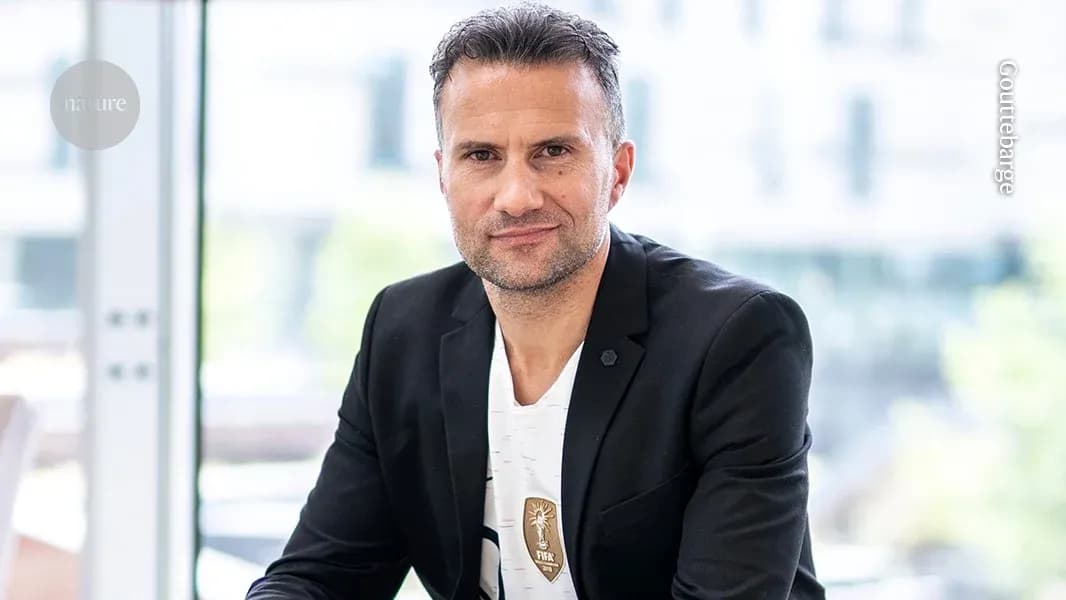
Vincent Gouttebarge spent more than a decade feeling the game in his bones. France, the Netherlands, tackles, travel, injuries, the quiet dread of the next scan. He retired in 2007, swapped the dressing room for the lab, and now sits at the sharp end of football’s health debate: medical director at FIFPRO, chair of the IOC’s Mental Health Working Group, researcher in Pretoria and Amsterdam.
As the 2026 World Cup kicks off across the United States, Canada and Mexico, the spectacle is obvious. The strain is not. That is where Gouttebarge comes in.
“Footballers are not superheroes,” he says. It sounds simple. It cuts against almost everything the modern game sells.
He has spent years studying what most fans never see: the way a relentless calendar, public scrutiny and private fear combine to shape the minds and bodies of the players we assume can cope with anything.
The World Cup dream – and what comes after
Being called up for a World Cup is the pinnacle. For most professionals, it is the moment they have chased since childhood. National anthem, global audience, the sense that you are part of football history.
But the glow depends on context. Are you starting or sitting? Winning or crashing out early? Trusted or forgotten on the bench?
The emotional swing is brutal. One player rides a wave of adulation; another barely kicks a ball and carries home a sense of failure. Then, almost immediately, they are back on a plane to their clubs.
There is no gentle landing. “If they are lucky, they have one or two weeks off,” Gouttebarge notes. For many, not even that. No real decompression, no clean break between the emotional high of a World Cup and the grind of a new season. One campaign bleeds into the next.
That is not just a performance concern. It is a health issue.
A calendar that grinds players down
At the top level, the numbers are stark. Two, sometimes three matches a week. Back-to-back. Travel. Media. Commercial obligations. No genuine day off.
The match calendar — domestic leagues, continental competitions, national-team fixtures, expanded tournaments — piles up into something close to continuous work. The burden is not only on muscles and joints. It hits players physically, emotionally, cognitively.
In 2024, FIFPRO and the World Leagues called on FIFA to rethink scheduling and create more recovery space between major competitions. The appeal was not framed as a tactical tweak. It was a warning about player welfare.
And that is before you factor in the constant noise of social media. Criticism, abuse, pressure, all delivered straight to a player’s phone. Not just during the season, but through holidays as well. There is no off switch.
What the data really says about mental health in football
Gouttebarge’s work does not rest on vague impressions. Since 2012, he has led epidemiological studies across professional football and elite sport, tracking self-reported symptoms: thoughts, feelings, behaviours that point to mental-health problems.
Clinical diagnoses are rarely feasible in this environment. The process takes time players and teams do not have. So researchers work with what they can measure — and patterns emerge.
Footballers live normal lives off the pitch. They have families, relationships, financial worries, personal losses. The same stressors everyone faces. But those collide with sport-specific pressures.
Injury sits at the centre of it. The evidence, he explains, shows a bidirectional relationship: poor mental health can increase the risk of musculoskeletal injury; a severe injury, especially one that removes a player from training and competition for a long stretch, is often the most significant adverse life event of their career.
Unexpected poor performance plays its part as well. A bad run of form, a high-profile error, a dropped status in the squad — all of it bites into identity and confidence.
Strip away the glamour and the job looks fragile. One bad twist, one poor month, and everything feels at risk.
The stigma that still silences players
Publicly, football has moved. Campaigns, slogans, supportive statements. Privately, the old attitudes linger.
“The stigma is relevant across the general population in many countries, and it is present in football,” Gouttebarge says. The sport’s conservative culture does not change overnight.
In parts of Europe, he sees progress. Players speaking out, clubs more open to mental-health support. But across South America, Africa and large parts of Asia, discussing depression or anxiety still carries a heavy label of weakness.
The contrast is striking. A player will sit in a press conference and detail a hamstring tear or an ankle problem without a second thought. When the issue is panic, insomnia or dark thoughts, silence usually wins.
The fear is practical as well as social. Players worry about how a coach will react. If a manager knows a player has experienced depression, will they still trust them in the starting XI? Or will they quietly move them aside?
Until that fear changes, most will keep their struggles hidden.
Changing the culture: from dressing room to boardroom
For Gouttebarge, tackling that silence requires pressure from both ends.
From the bottom up, he argues, the game needs mental-health literacy: education for players, coaches and staff, normalising conversations about psychological strain and placing it on the same level as physical injury.
In 2018, FIFPRO rolled out an education programme aimed at exactly that. The results were modest but clear. After the sessions, attitudes and behaviours around mental health improved. It was not a randomized controlled trial, but it showed that even a relatively small investment of time and explanation can shift the environment.
From the top down, he wants structural change. National federations typically build medical committees around sports physicians, orthopaedic surgeons and cardiologists. Mental-health professionals are often absent.
That gap matters. If the people shaping medical policy do not include experts in psychology or psychiatry, mental health stays on the margins, treated as an add-on rather than a core part of player welfare.
Isolation as punishment – and its hidden damage
One practice particularly angers him: the quiet exile of unwanted players.
A new coach arrives. The squad is too big. A handful of players are told to train alone or shunted off with the youth team. On paper, it looks like a football decision. In reality, it carries heavy human consequences.
From a trade-union perspective, Gouttebarge points out, it is already problematic. These players have contracts, obligations, rights. But he sees it just as strongly as a mental-health issue.
Social support protects people. Strip a player out of the main group, cut them off from the daily rhythm of the team, and you increase their risk of mental-health problems. It is deliberate isolation in the workplace.
“In any other industry, it would not be acceptable,” he argues. Yet in professional football, it remains common practice — a symptom of poor leadership at club level and a reminder that the sport still treats human beings as disposable assets.
The World Cup will roll on. Packed stadiums, global audiences, new heroes. The calendar will stay full, the demands unrelenting. The question now is whether football’s power brokers are finally ready to see what Gouttebarge has been charting for more than a decade: that behind the spectacle, the game is testing not just how far players can run, but how much they can endure.