Messi Injury Scare Before Argentina's World Cup Defense
Lionel Messi has been diagnosed with muscle fatigue in his left hamstring after limping out of Inter Miami’s wild 6-4 win over Philadelphia, handing Argentina an untimely jolt just weeks before the start of their World Cup defence.
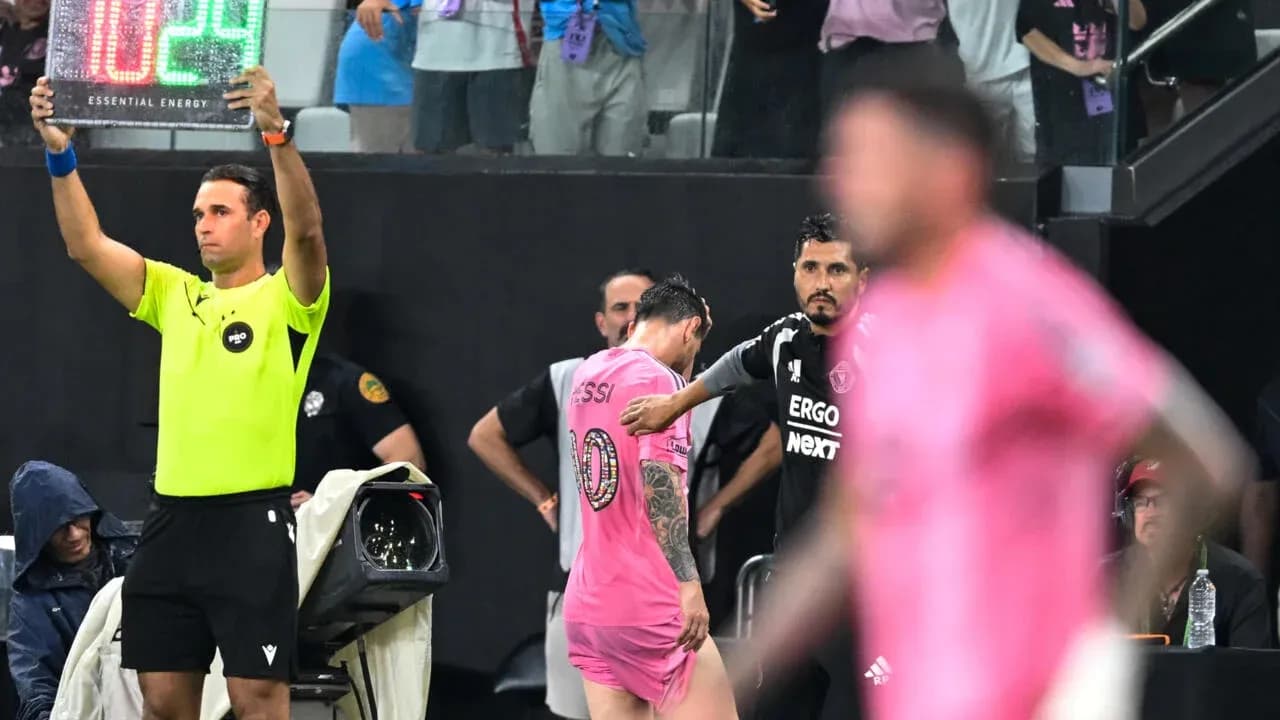
The 38-year-old walked straight off in the 73rd minute on Sunday, cutting short a game that had already turned into a track meet. No dramatic collapse, no stretcher, just a sharp conversation, a gesture to the bench and then Messi heading for the touchline. For Argentina, that was worrying enough.
Inter Miami later confirmed the diagnosis of “muscle fatigue” in the hamstring and stressed that “the timeline for his return to physical activity will depend on his clinical and functional progress.” In other words, no firm return date, no real clarity for the national team.
Scaloni watches, waits – and breathes out
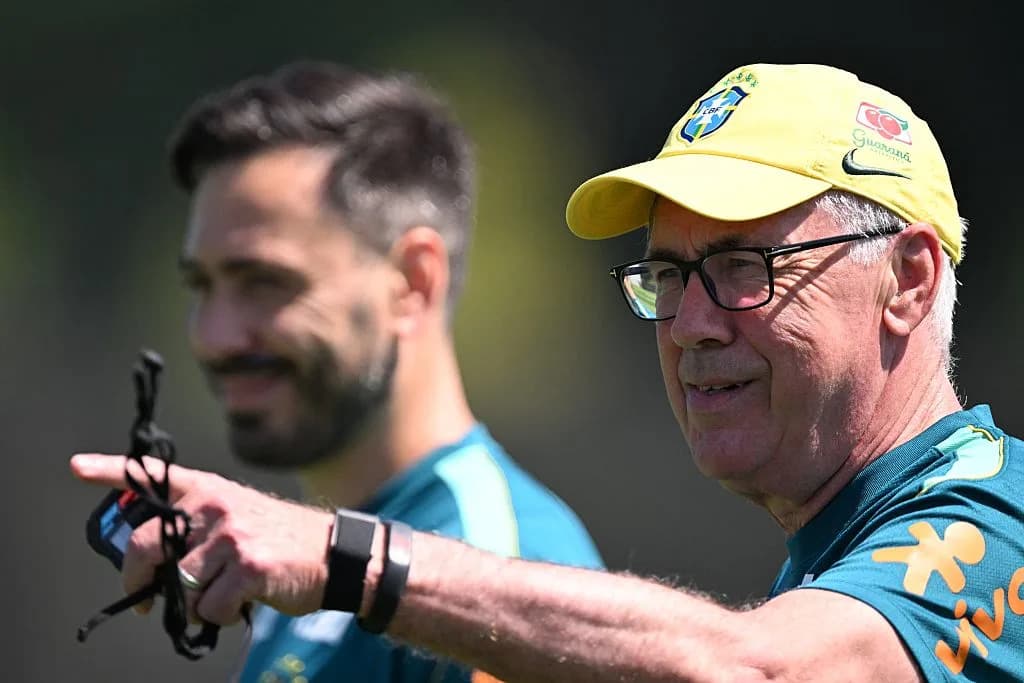
Back in Argentina, Lionel Scaloni watched the whole thing unfold on television from the federation’s headquarters. For a coach preparing to name his World Cup squad next week, it was the one sight he did not want to see.
“Obviously we would have preferred that nothing had happened,” he told Argentinian TV station DSports on Tuesday. The honesty of the line matched the mood in the country.
Then came the nuance. Scaloni admitted he felt relief that Messi had asked to come off, rather than trying to push through the discomfort. The captain’s decision to stop early, rather than chase more minutes, offered at least one reassuring sign: he is managing his body with the World Cup in mind.
“Now one has to wait and see how it evolves and above all the new tests they are going to conduct in order to see if it confirms their original diagnosis,” Scaloni said. The message was simple: no panic, but no guarantees.
Inter Miami manager Guillermo Hoyos tried to cool the temperature after the match. He pointed to a heavy pitch, a tired player and a shared determination not to gamble with the fitness of an eight-time Ballon d’Or winner in late May, with a World Cup looming.
A sixth World Cup on the horizon
Even at 38, with a sixth World Cup finals appearance in his sights, Messi remains Argentina’s reference point, their compass, their comfort blanket. The side that conquered Qatar four years ago still revolves around him, even as his club career has shifted to the United States and his minutes have been carefully rationed.
Since joining Inter Miami in 2023, Messi has regularly sat out games during congested periods, with club staff openly managing his workload. MLS has now entered a break for the World Cup, co-hosted by the United States, Mexico and Canada, but the real strain will come in sky blue and white, not pink.
Messi has not formally confirmed he will play at this World Cup, yet the expectation is overwhelming: one more run, one more tournament, one more chance to push records and memories to places no one else has reached. A sixth appearance would match the benchmark set by his great Portuguese rival Cristiano Ronaldo and potentially Mexican goalkeeper Guillermo Ochoa. It is a club only legends can enter.
Tight schedule, little margin for error
Argentina’s calendar leaves almost no room for setbacks. They open their World Cup campaign on June 16 against Algeria in Kansas City. Six days later, on June 22, they face Austria. They close out Group J on June 28 against Jordan.
Before all that, Scaloni has two friendlies lined up on U.S. soil: Honduras on June 6 and Iceland on June 9. Those games were supposed to fine-tune combinations and rhythm. Now they may become delicate balancing acts, with every Messi sprint, every touch, every substitution analysed for signs of strain.
The hamstring issue throws a shadow over those plans. Muscle fatigue is far from the worst diagnosis a player can receive at this stage of the year, but hamstrings have long memories. Push too hard, too soon, and a nuisance turns into a tear. Rest too much, and sharpness disappears.
For Argentina, the equation is brutally clear. They need Messi fit enough to start against Algeria and strong enough to carry them deep into the tournament. They also need to avoid turning every training session into a medical briefing.
The clock is ticking. The tests will come, the scans will be poured over, and the decision-makers will measure every risk.
If this really is the last World Cup of Messi’s career, how much can Argentina afford to ask of him—and how much can they afford not to?