Miami's Messi-Centric Model Exposed by Nashville Defeat
Miami’s season now has a single, brutal reference point: Nashville away.
The 4-1 defeat on Saturday wasn’t a one-off collapse. It was a diagnosis. Miami had the ball, but Nashville had the plan, the legs, and the ruthlessness to carve them apart on the break.
Hany Mukhtar, the kind of No.10 who punishes even good teams in MLS, toyed with them. He scored twice, gliding into the acres of space Miami kept gifting him. Sam Surridge added another. Andy Najar, a right back in name only on the night, stormed forward to finish as Miami’s defensive shape disintegrated.
Eddi Tagseth and Matthew Corcoran dominated central midfield, outrunning and outthinking a unit that looked a step behind every phase of play. Miami’s lines were too stretched, their reactions too slow, their structure too fragile. It was a miserable evening, and a revealing one.
A Simple Blueprint To Beat Them
The pattern is no secret anymore. Keep Lionel Messi quiet—or as quiet as anyone can—and Miami’s weaknesses glare under the floodlights.
Messi doesn’t defend. Luis Suárez, 39 and still fighting the game as much as opponents, simply cannot cover ground. Rodrigo De Paul works relentlessly on the right, but Casemiro, the marquee post-World Cup signing, is slogging through the middle as if running in mud.
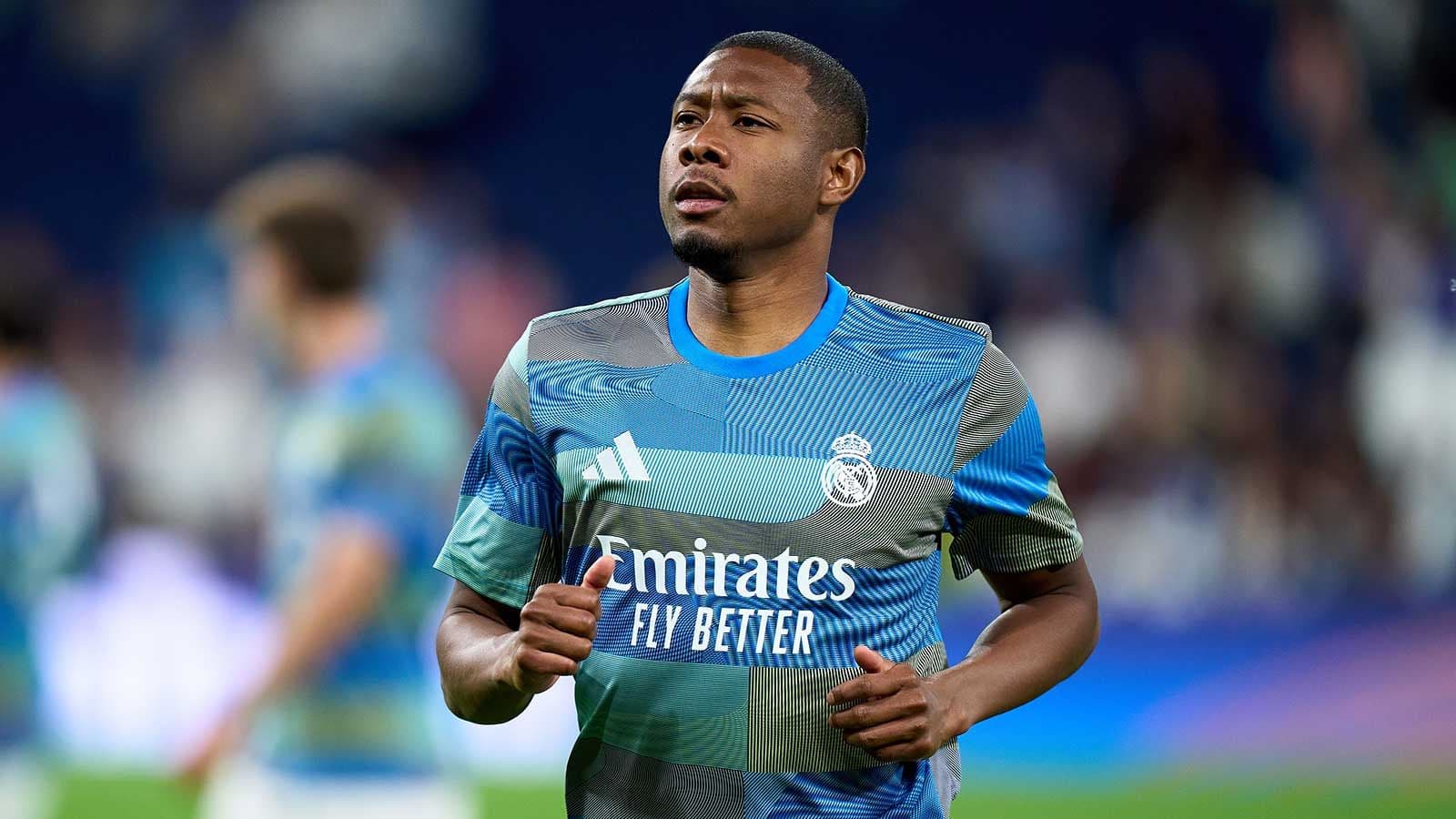
On the left, the drop-off from Jordi Alba to Sergio Reguilón, who hasn’t played regular football since 2022, is startling. The back line offers little protection. The midfield cannot close gaps. There is no clever tactical tweak that fixes this. Strip away Messi’s genius, and what remains is, at best, an average playoff team.
Squad-Building For One Man
On paper, the solutions seem obvious. Miami need legs in attack and energy in central midfield. Those players are hard to find, harder to sign, and rarely cheap. Yet the club have not exactly been conservative. They’ve stretched MLS rules, bent cap realities, and performed financial gymnastics to bring in big names.
Choices have consequences. Casemiro arrived instead of someone like N’Golo Kanté, a different profile entirely. Miami spent around $15 million on German Berterame, a forward who doesn’t dominate in any single area. Benjamin Cremaschi, a homegrown midfielder with energy and upside, openly admitted feeling misused under Javier Mascherano and could yet be pushed toward the exit. With more care, he might have been the young, dynamic centerpiece they so clearly lack.
Running through it all is one constant: Messi. His influence is not subtle. It stretches back to 2023, when Sergio Busquets and Alba were reportedly brought in as part of the package to lure him. De Paul has said his desire to play with Messi and stay sharp for the World Cup drove his exit from Atletico Madrid, with the pair even holding extra training sessions in the build-up to the tournament.
Even Casemiro, once Messi’s great rival in Clásicos, framed his move in Messi’s orbit.
“For me, without a doubt, I am coming only to play with the best player of all time,” he told reporters at his unveiling. “I want to enjoy, I want to help him to keep winning because he is a winner. Another player is joining who wants to win, who wants to compete.”
Whether Messi is personally making the calls hardly matters. The squad is clearly assembled to please him. That is not the same as building a sustainable winning team.
A League About To Change, A Club Stuck In Place
All this comes as MLS itself edges toward a new era. The shift to a fall-spring calendar in 2027-28 will open different transfer windows and new timing advantages. Owners have already listened to proposals about loosening salary rules and allowing more spending.
This is the moment when ambitious clubs can grow up, structurally and strategically.
Messi’s contract runs through the end of the 2028 season. He is tied to Miami for next year’s “sprint season” and the first full fall-spring campaign. On paper, that gives the club an abbreviated season, one full season, and the remainder of this one with their superstar.
But if Messi decides he’s done at the end of this year? The picture darkens quickly.
Miami would be left with expensive Designated Players that don’t quite fit a coherent model. De Paul is on DP money through 2029. Berterame too. Casemiro does not currently occupy a DP slot, but Miami have already shown with De Paul that they can start a player on a lower number and then escalate the deal. That flexibility could be used again—and could also backfire.
The nightmare scenario is obvious: a Messi-less Miami weighed down by aging, high-earning stars who no longer make sense without him.
The Succession Dream: Julián Álvarez
What Miami truly need in the post-Messi world is not just another elite player. They need a new face of the club, someone who can carry both the sporting and commercial load.
Julián Álvarez is the dream. He cannot replicate Messi’s global box-office pull—no one can—but he ticks every other box: quality, age, work rate, marketability, and a deep connection to Argentina. He is the one name that looks like a genuine succession plan.
But that dream is expensive and distant. Atletico Madrid paid an initial €75 million, plus up to €20m in add-ons, to sign him from Manchester City in 2024. This summer, they reportedly rejected a €150m offer from Real Madrid. For Miami to land him, they would have to present a transfer package far beyond anything MLS has seen, then tackle his salary on top.
Strip it down, and Álvarez is less a plan than a fantasy.
The American Option
If Álvarez is out of reach, the logical pivot is to an American star.
Christian Pulisic and Weston McKennie are the only two that truly fit the bill. Pulisic is the most recognizable active American player. McKennie brings quality, charisma, and a personality that would play well in the U.S. market.
Both could anchor the next version of Inter Miami. Neither could replace Messi as the gravitational center of the project. They would help fill the stadium and sell shirts. They would not define the club in the way Messi does now.
And that is the crux of Miami’s dilemma.
A Club Built On One Foundation
Messi is not just a player for Miami. He is the business model.
His presence drives sponsorships, ticket demand, global interest. A stand at Nu Stadium bears his name. His compensation reportedly includes ownership shares. This is not a normal DP relationship; it is a partnership that underpins the entire enterprise.
Miami have not yet shown what comes after that partnership ends.
Before Messi, the club was drifting. They were one of the worst teams in MLS, despite signing big names like Blaise Matuidi and Gonzalo Higuaín. Those deals brought profile, not transformation. Attendance languished in the bottom third of the league. By July 2023, when Messi arrived, Miami were effectively out of the playoff race, trophyless, with Phil Neville gone and a roster riddled with holes.
Messi changed the mood, the expectations, the scale. He did not fix the underlying habits.
The danger is obvious: when he goes, Miami slide straight back into that old pattern—star-chasing, short-term, directionless.
The Clock Is Ticking
The transition is coming. It will be messy. It will be hard.
Miami have tethered their sporting and commercial identity so tightly to Messi that the timing of the next phase is not in their hands. The Argentine will decide when his Miami story ends. Until then, the club has limited room to reshape itself.
Could he still drag them to another trophy? Absolutely. One more Herculean run is not out of the question. But nights like the 4-1 in Nashville suggest that asking him to do it with this incomplete, unbalanced squad is a massive demand.
For now, the image is the same after every setback: Messi disappearing down the tunnel, Miami fans left staring at the pitch, and a bigger question hanging over everything.
What, exactly, will be left when he makes that walk for the final time?