Mirra Andreeva Dismantles Aryna Sabalenka at WTA Finals
Mirra Andreeva did not just beat Aryna Sabalenka. She dismantled her.
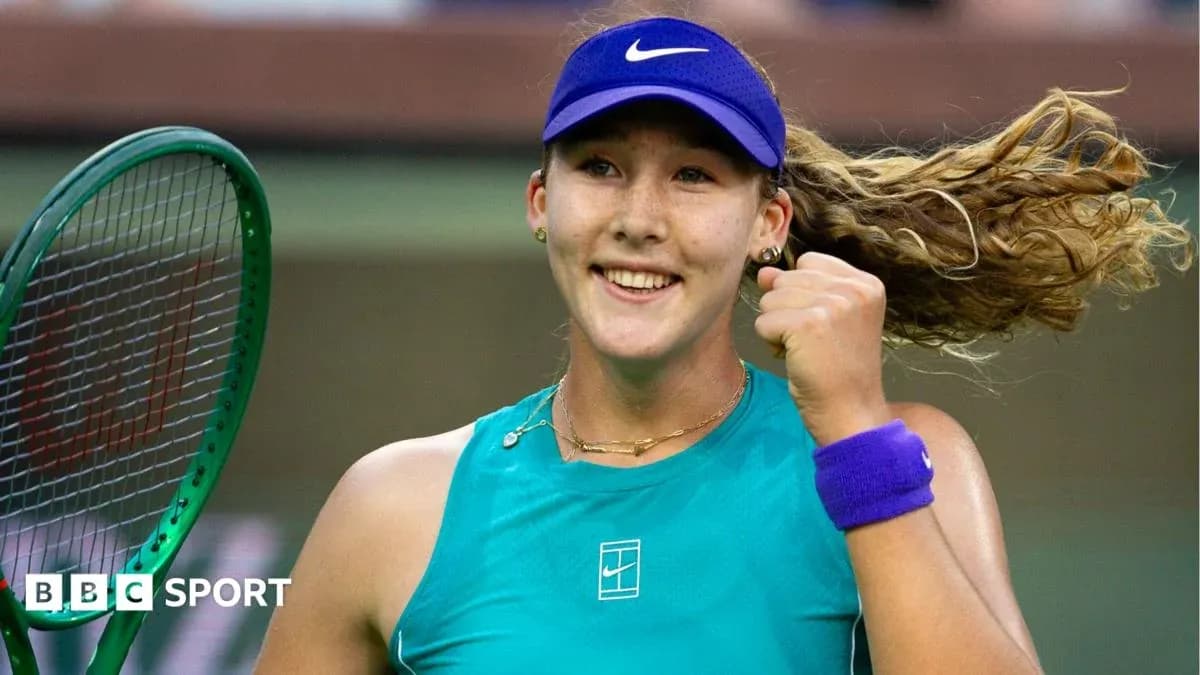
From 4-1 down in the opening set to winning 11 straight games, the 19-year-old French Open champion produced a ruthless 6-4 6-0 demolition of the world number two to storm into the semi-finals of the WTA Finals at Indian Wells. Against a four-time major winner, it felt like a changing-of-the-guard performance.
From crisis to complete control
For the first half-hour, it looked like a routine Sabalenka march. The second seed broke twice, bullied the rallies and surged to a double-break lead at 4-1. Andreeva was on the back foot, searching for rhythm, searching for air.
Then the match flipped.
Andreeva slowed everything down, then sped it up on her terms. She threw in those high, looping balls that dragged Sabalenka out of her strike zone, forced her to generate her own pace, and teased out the impatience that has undone the Belarusian too often this season. Once Sabalenka’s timing cracked, Andreeva stepped in and went to work.
The Russian’s numbers told the story of a player in complete command: 16 winners, just six unforced errors, and angles carved from the baseline that repeatedly left Sabalenka flat-footed. She wasn’t just hanging in rallies; she was dictating them with a cool, almost icy clarity.
The only hint of tension came when Andreeva served for the first set at 5-4 and slipped to 15-30. The pressure should have been on her. Instead, she uncorked three consecutive aces, slammed the door on any Sabalenka comeback, and walked off with the opener. From there, she never looked back.
Sabalenka unravels again
Sabalenka had taping on her knee, but there was no obvious sign it restricted her movement. This was not a physical collapse. It was a familiar mental and tactical one.
From 4-1 up and double-break in front, Sabalenka won just 10 more points in the entire match. Her forehand, usually a weapon, sprayed 23 unforced errors. Her serve, often her lifeline in tight moments, failed to produce a single ace on a court where she lifted the WTA title earlier this year.
The second set was brutal. Games flew by. Andreeva read Sabalenka’s patterns, absorbed the first strike, then turned defence into attack with ease. The 6-0 scoreline echoed some of Sabalenka’s worst days in 2024 – the deciding-set bagels at Roland Garros and the Berlin Open – but this collapse was even swifter, even more stark.
Sabalenka looked stripped of solutions, then stripped of belief.
Andreeva’s maturity, Sabalenka’s crossroads
For all of Sabalenka’s struggles, this was not just about her failings. Andreeva’s composure shone through in every big moment. She played with the poise of a veteran, the shot selection of a strategist, and the fearlessness of a teenager who has not yet learned to doubt herself.
Afterwards, she refused to make it all about her brilliance.
“I will be honest, I feel like Aryna did not have the best day,” Andreeva told Sky Sports. “I feel like I cannot really take all the credit today – I feel like that is not very fair in some ways. I’m just happy. I had a goal in front of me to commit no matter what and control the things I can control.”
That mindset showed in her tennis. She never chased highlight shots. She played the right ball at the right time, built points patiently, then struck with clean, uncluttered aggression.
Sabalenka, by contrast, finds herself back in a familiar maze. Another big-stage defeat, another match where the scoreboard spiralled away from her and the errors piled up faster than answers. For a player of her calibre, these repeated 6-0 set losses are no longer isolated blips; they are a pattern she must break.
Group wide open, statement made
The implications for the group are clear. Andreeva is through as group winner, her place in the last four secured with authority.
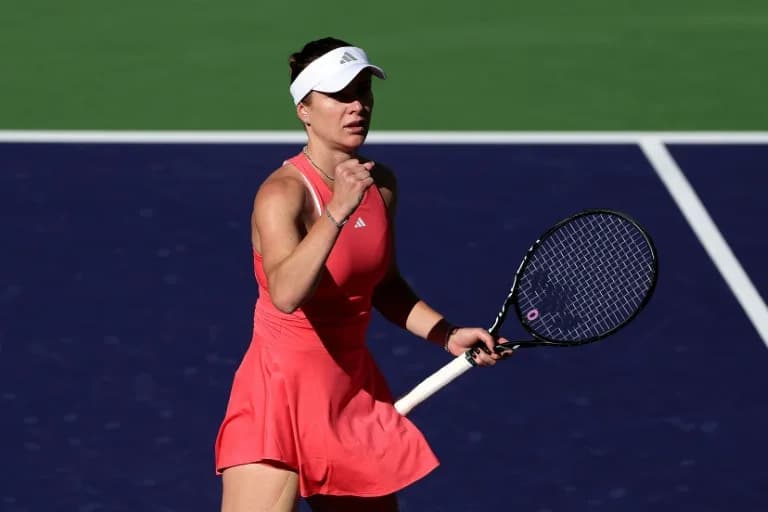
Sabalenka, despite the drubbing, is still alive. Her fate now comes down to a straight shootout on Friday against Elina Svitolina, with the winner joining Andreeva in the semi-finals. For Sabalenka, it is a chance at redemption and a test of resilience. For Svitolina, it is an opportunity to capitalise on a wounded giant.
As for Andreeva, this was more than a win. It was a message to the locker room. On the biggest stage, against one of the game’s most feared hitters, she took a shaky start and turned it into a 6-4 6-0 masterclass.
If this is how she handles the world number two at 19, what ceiling does she really have?