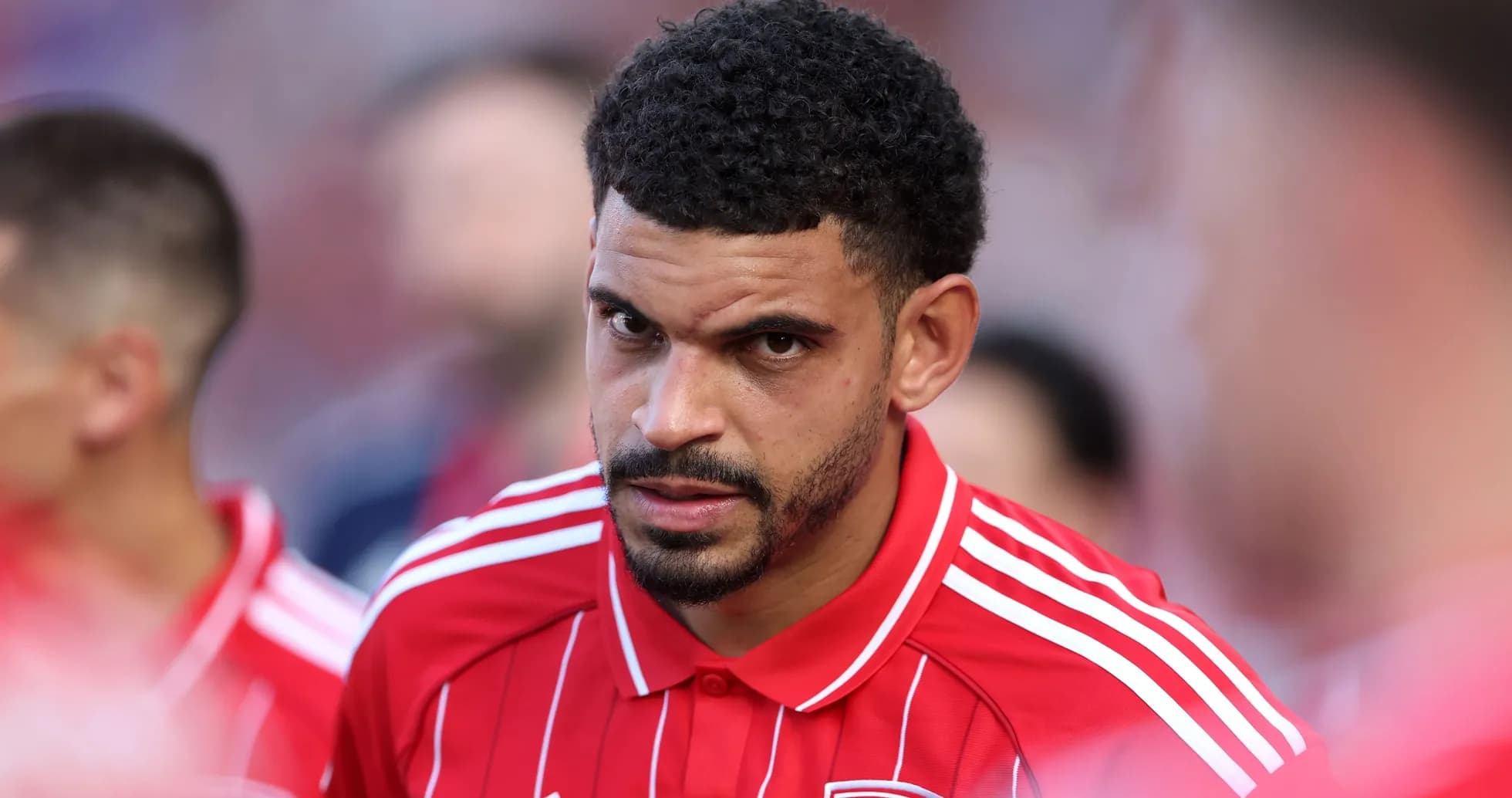
Morgan Gibbs-White's World Cup Snub and Defiant Response
Morgan Gibbs-White walked off the City Ground pitch with 18 goals for the season and a point against Bournemouth – but without the one thing he wanted most. A plane ticket to the 2026 World Cup.
Days after discovering he would not be part of Thomas Tuchel’s England squad, the Nottingham Forest playmaker answered in the way elite footballers often do when wounded: with a moment of pure technique and defiance. His free-kick in the 1-1 draw was vicious and precise, a strike that curled over the wall and screamed into the net as if carrying all the frustration of a season’s work overlooked.
He didn’t celebrate quietly.
Gibbs-White turned to the stands, jabbing a finger at the name on his back, then flashed his fingers toward the crowd. It was not subtle. It was a message – to the manager who left him out, to the critics who doubted him, and perhaps to a selection process that has placed “profile” above production.
A call, a snub, and a response
The 26-year-old revealed after the game that Tuchel had phoned him personally on Thursday evening to break the news. No delegation, no email. A direct call from the England manager.
Gibbs-White listened, he said, and he respected the gesture. He also made it clear he believes his numbers should have been enough: 25 combined goals and assists in a standout campaign, 18 goals alone by the final whistle against Bournemouth.
“I know myself that I have done more than enough to be in the squad. I got on the wrong side of someone’s opinion,” he said, laying bare a career-long theme of feeling misjudged. He spoke of being on the “wrong side of people’s opinions” throughout his journey, and of his determination to bounce back yet again.
There was no public war of words. He described the conversation with Tuchel as “good” and said he agreed with what the German had to say. But the edge was there. The hurt was real. And the City Ground felt it.
City Ground fury, England debate
From the first whistle, the home crowd made their feelings unmistakable. Chants rolled down from the stands, many of them aimed squarely at Tuchel and his decision to leave their talisman at home this summer. The afternoon carried the crackle of grievance, the sense of a fanbase rallying behind a player they feel has been wronged.
Gibbs-White’s goal only intensified that mood. The free-kick was more than an equaliser; it was a statement of what England will be missing. The reaction in the stands – and the player’s own gesture to his shirt – underlined the belief around Forest that his omission is not just harsh, but baffling.
Tuchel, for his part, has stood firm. His England squad has already sparked fierce debate, with several established stars joining Gibbs-White on the outside. Phil Foden and Cole Palmer are among those watching the World Cup from afar, victims of a manager determined to build what he calls a “balanced” group.
Tuchel’s gamble on balance
The England manager has repeatedly framed his decisions around structure and roles rather than reputation or raw output. His argument is simple: he will not take a squad overloaded with number 10s and then ask them to play out of position.
“Does this mean that the other guys that you mentioned did anything wrong? No,” Tuchel said. “For some of them, it's just a positional thing that we also tried to have a balanced squad and not to bring five number 10s and make them play out of position because whom would we do a favour with? The player or ourselves? I don't think so.”
It is a clear, coherent philosophy. It is also a ruthless one. Players like Gibbs-White, who thrive in central creative pockets, have found themselves edged out not because of what they failed to do, but because of what Tuchel believes the wider puzzle demands.
He has insisted that hunger and excitement trump past glories and individual statistics. The result is a squad heavy on tactical fit and energy, lighter on some of the Premier League’s most productive names. If England go deep into the tournament, the conversation will quieten. If they stumble, this week’s omissions will be dragged back into the spotlight.
Anderson’s rise and a £100m question
While Gibbs-White processes disappointment, another Forest midfielder is heading in the opposite direction. Elliot Anderson has surged into Tuchel’s plans and is now expected to start England’s World Cup opener against Croatia.
His trajectory has been rapid. Anderson has become a key figure for both club and country, his versatility and tactical intelligence fitting neatly into the manager’s blueprint. Where Gibbs-White has been deemed surplus to requirement, Anderson has been identified as essential.
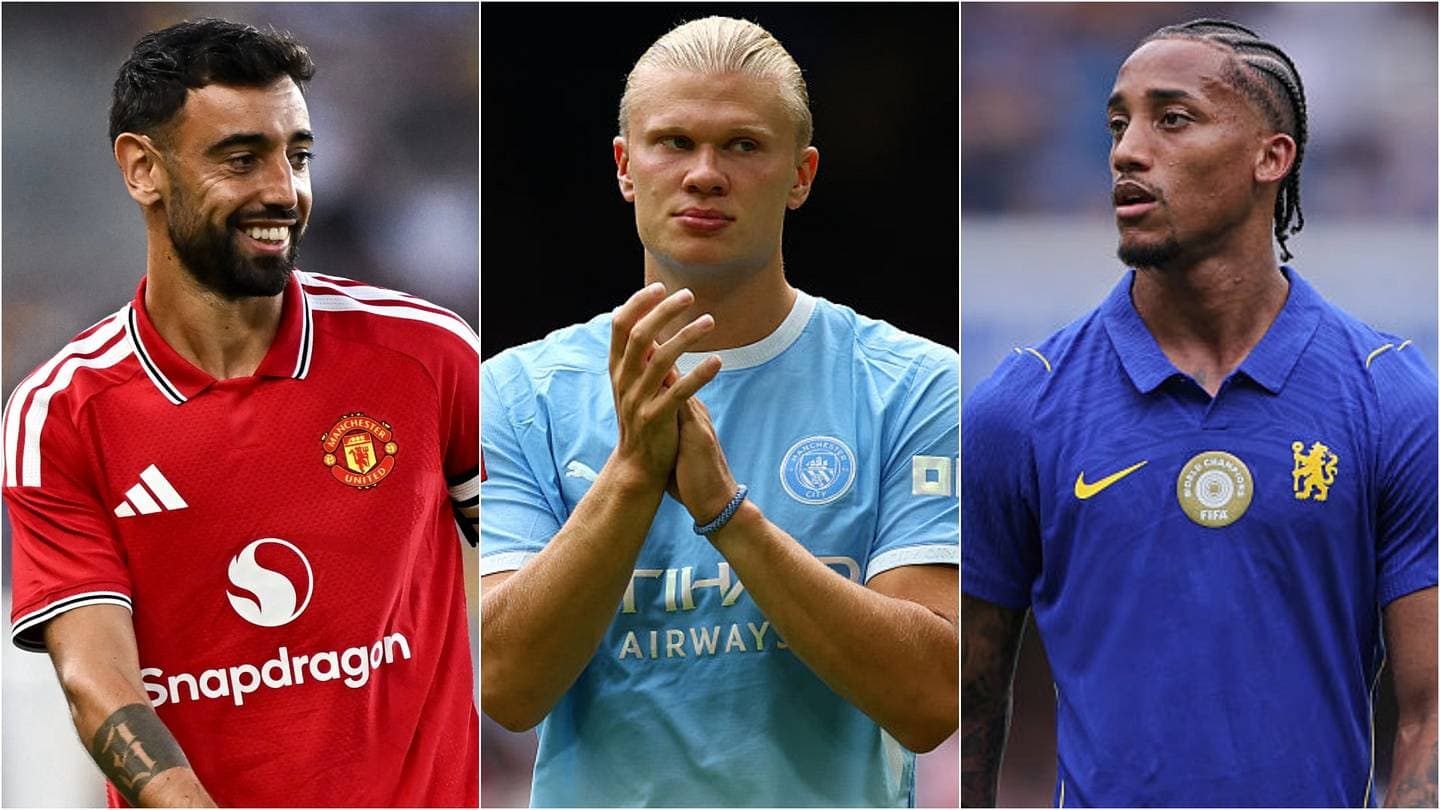
That rise has not gone unnoticed. His future at Forest is already under scrutiny, with a £100m valuation doing little to cool reported interest from Manchester City and Manchester United. For a club that has fought hard to stabilise in the Premier League, the summer could bring an uncomfortable test of resolve.
Forest manager Vítor Pereira knows exactly what is at stake. Asked about the speculation surrounding his stars, he did not shy away from praising Anderson’s level.
“If you ask me if he deserves the best clubs in the world, he deserves. He has a lot of quality, he is a talent, but he is our player and I am very happy with him,” Pereira said. He spoke of a desire to keep his core together, to add “two or three players” to balance the squad, then shrugged at the reality every ambitious club faces: “The market is the market, I cannot predict the market. In the end, we’ll see.”
Two paths, one summer
So Forest head into the off-season with two midfielders at a crossroads.
Gibbs-White, bruised but unbowed, is determined to use the snub as fuel. The season, as he put it, is now behind him. His focus turns to the summer, and then to proving once more that he belongs on the biggest stage.
Anderson, meanwhile, prepares for the World Cup as a central figure in Tuchel’s new England, his performances potentially dictating not only his own future, but the shape of Forest’s next chapter.
Tuchel has nailed his colours to the mast with bold, unpopular calls. The City Ground made its verdict clear. The real judgement, though, will come in the heat of a World Cup summer – and in the transfer window that follows.