Nasarawa United vs Rivers United: Tactical Clash in Lafia
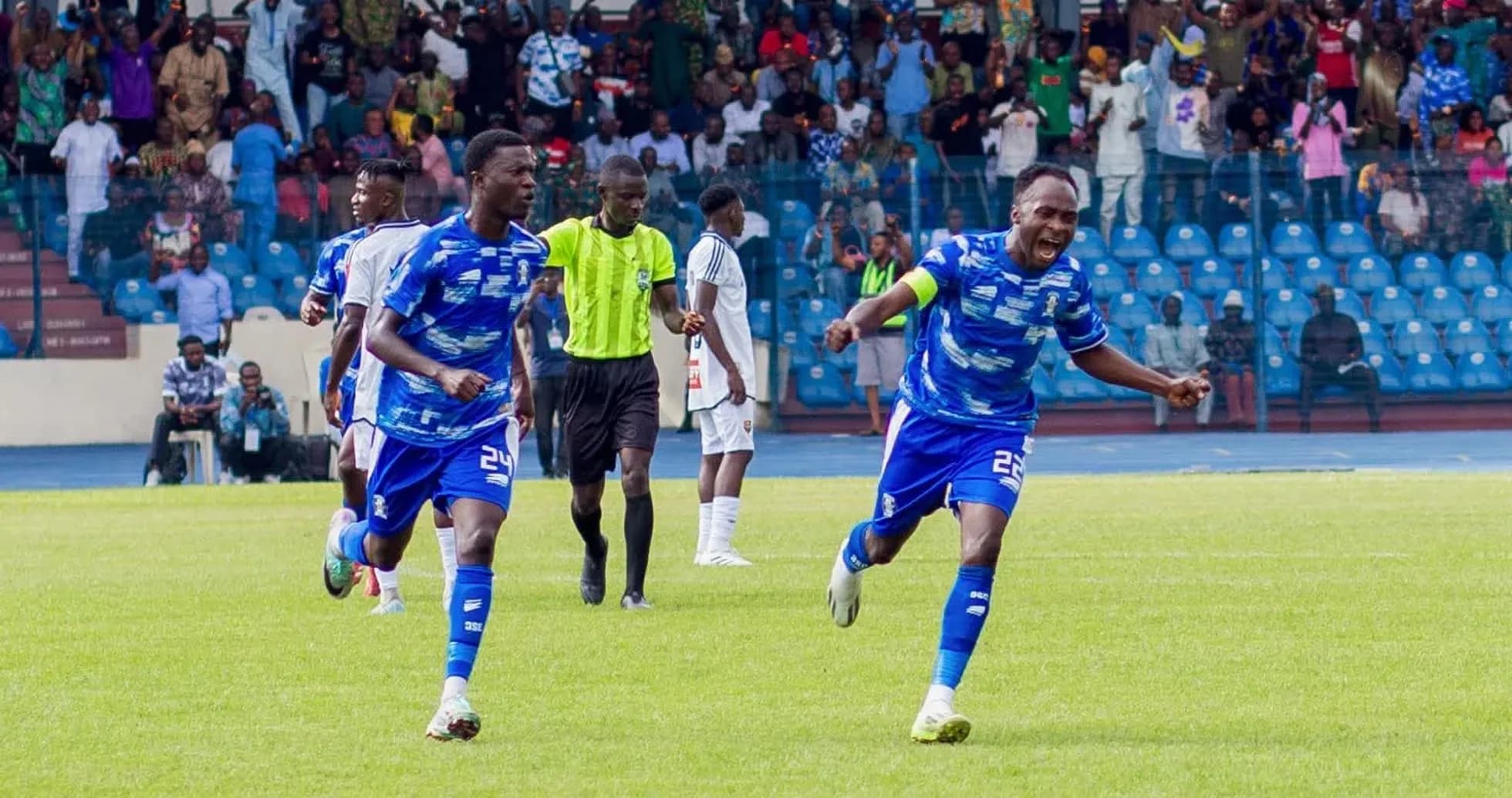
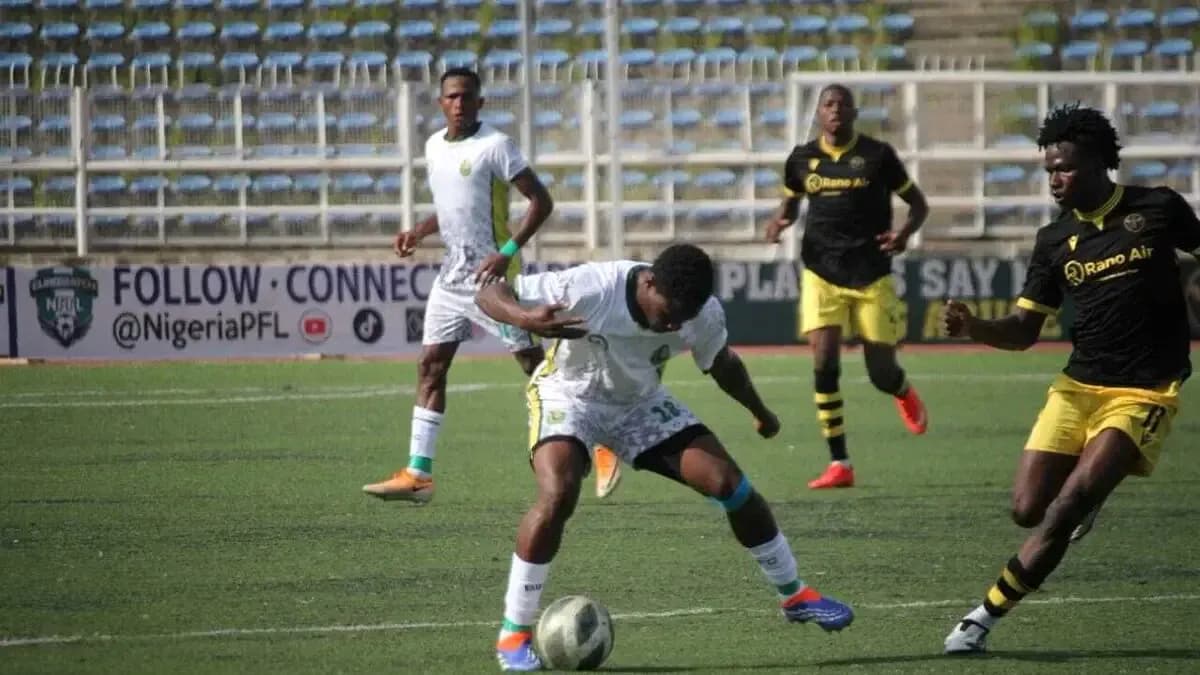
Lafia Township Stadium felt like a crossroads more than a simple NPFL venue. Regular Season - 4 brought together two sides whose early‑season identities are already sharply drawn: Nasarawa United, 13th in the table and still searching for balance, and Rivers United, sitting 4th and already eyeing CAF Confederation Cup territory. The 1–1 full‑time scoreline reflected not just parity on the day, but the clash of two contrasting blueprints.
I. The Big Picture – Clashing Blueprints in Lafia
Heading into this game, Nasarawa United’s season had been defined by a split personality. Overall they had played 4 matches, winning 1, drawing 1 and losing 2. At home, however, they were quietly efficient: across 2 home games they had 1 win, 1 draw, 0 defeats, scoring 2 and conceding just 1. On their travels it was a different story – 2 away defeats, with 2 goals scored and 5 conceded. The overall goal difference of -2 (4 scored, 6 conceded) underlined a side still fragile once taken out of their comfort zone.
Rivers United arrived in Lafia with the air of a team already in control of their narrative. Overall, after 3 matches they were unbeaten: 2 wins, 1 draw, 5 goals scored and just 1 conceded, for a goal difference of +4. At home they were perfect – 2 wins from 2, 4 scored and none conceded – while on their travels they had drawn their only away fixture 1–1. The numbers painted a picture of a side that prefers to dominate at home but is disciplined and pragmatic away.
The 0–0 half‑time score suggested a tactical chess match rather than chaos. By full time, the 1–1 draw felt like an honest compromise between Nasarawa’s stubborn home resilience and Rivers’ controlled ambition.
II. Tactical Voids and Discipline – What Was Missing, What Held
Officially, there were no listed absences for either side, but the lineups revealed subtler voids. Nasarawa United entered without a named coach in the data, an absence that mirrors their slightly disjointed form line (LWLD in their season statistics, DLWL in the standings). On the pitch, though, the spine was clearly defined.
C. Olughu, wearing 31, anchored Nasarawa from the back. In front of him, the pairing of C. Nduka (4) and A. Abdullahi (6) provided the structural rigidity that explains why, at home, Nasarawa had conceded only 1 goal across 2 matches heading into this fixture. The flanks and midfield were populated by industrious figures like H. Ebah (5), A. Odinaka (27) and the creative hub P. Samuel (10), supported by the energy of A. Sunday (11) and the presence of J. Istifanus (35).
Disciplinary trends hinted at where Nasarawa’s control can fray. Overall this season, 50.00% of their yellow cards had come between 31–45 minutes and another 50.00% between 61–75. That pattern suggests a team that can become ragged at the end of each half, when fatigue and emotional spikes collide. Yet in this contest, their ability to keep Rivers largely at bay for long stretches showed a learning curve in managing those risky windows.
Rivers United, coached by Hakeem Busari, arrived with a cleaner disciplinary slate. Overall, their yellow cards this season had been concentrated exclusively between 46–60 minutes (100.00% of their cautions in that single band), pointing to a side that emerges from half‑time aggressively and occasionally oversteps. That aggressive reset is a tactical tool as much as a risk.
III. Key Matchups – Hunter vs Shield, Engine vs Engine
Hunter vs Shield
Rivers United’s offensive profile this season has been quietly ruthless. Overall, they averaged 1.7 goals per game, with 2.0 at home and 1.0 away. Defensively, they were almost watertight: 0.3 goals conceded per game overall, 0.0 at home and 1.0 away. The “hunter” here was not a single named top scorer – data on individual goal tallies was absent – but rather a collective pattern: structured, efficient, and rarely wasteful.
They lined up with E. Andy (32) as a key attacking reference, supported by the likes of A. Dabai (7), A. Oyowah (10), and the lively wide options of M. Chijioke (26) and W. Falolu (24). Behind them, E. Utaka (28) and S. Manyo (6) offered the platform from which Rivers could spring forward.
The “shield” was Nasarawa’s home defensive record. Heading into this game, at home they had conceded just 0.5 goals per match, keeping 1 clean sheet in 2 home outings. That resilience was backed by a season trend of not failing to score at all – Nasarawa had found the net in every league game so far, both home and away. The duel between Rivers’ measured, collective attack and Nasarawa’s compact home structure produced exactly what the numbers hinted at: both sides scoring, neither side cracking completely.
Engine Room – Control vs Disruption
The midfield battle shaped the story more than any single chance. For Rivers, the technical axis of A. Oyowah (10) and the industrious S. Manyo (6) formed the engine that had underpinned their two‑match winning streak earlier in the season. Their job in Lafia was to impose the tempo that had allowed Rivers to score 4 at home without reply and to translate that control into away territory.
Opposite them, Nasarawa trusted the combination of P. Samuel (10), the intelligent movement of A. Sunday (11), and the work rate of H. Ebah (5) and A. Dabani (28). This group had to both shield a defence that, overall, conceded 1.5 goals per game and spark an attack that averaged 1.0 goal per match. Their success lay in disrupting Rivers’ rhythm enough to limit them to a single goal while still carving out the one they needed themselves.
IV. Statistical Prognosis – A Draw That Fits the Numbers
Strip the narrative back to the data, and the 1–1 draw feels almost inevitable. Nasarawa United, strong at home and always capable of a goal, met a Rivers United side that rarely concedes and is content to manage away fixtures. Nasarawa’s overall goal difference of -2 and Rivers’ +4 told us one side leans toward survival battles while the other leans toward controlled dominance, but the home/away split narrowed that gap.
Nasarawa’s home averages of 1.0 goal scored and 0.5 conceded, combined with Rivers’ away profile of 1.0 scored and 1.0 conceded, pointed toward a low‑scoring stalemate with both nets disturbed. Even without explicit xG figures, the pattern of defensive solidity and measured attacking output on both sides suggests a match where marginal chances, not chaos, defined the outcome.
Following this result, Rivers United’s unbeaten aura on their travels remains intact, while Nasarawa United preserve their status as a difficult proposition in Lafia. The story of the afternoon is less about two points dropped or gained and more about two tactical identities holding firm against each other – a hunter contained, a shield bent but unbroken.