Newcastle Faces Challenges After Bruno Guimaraes Exit
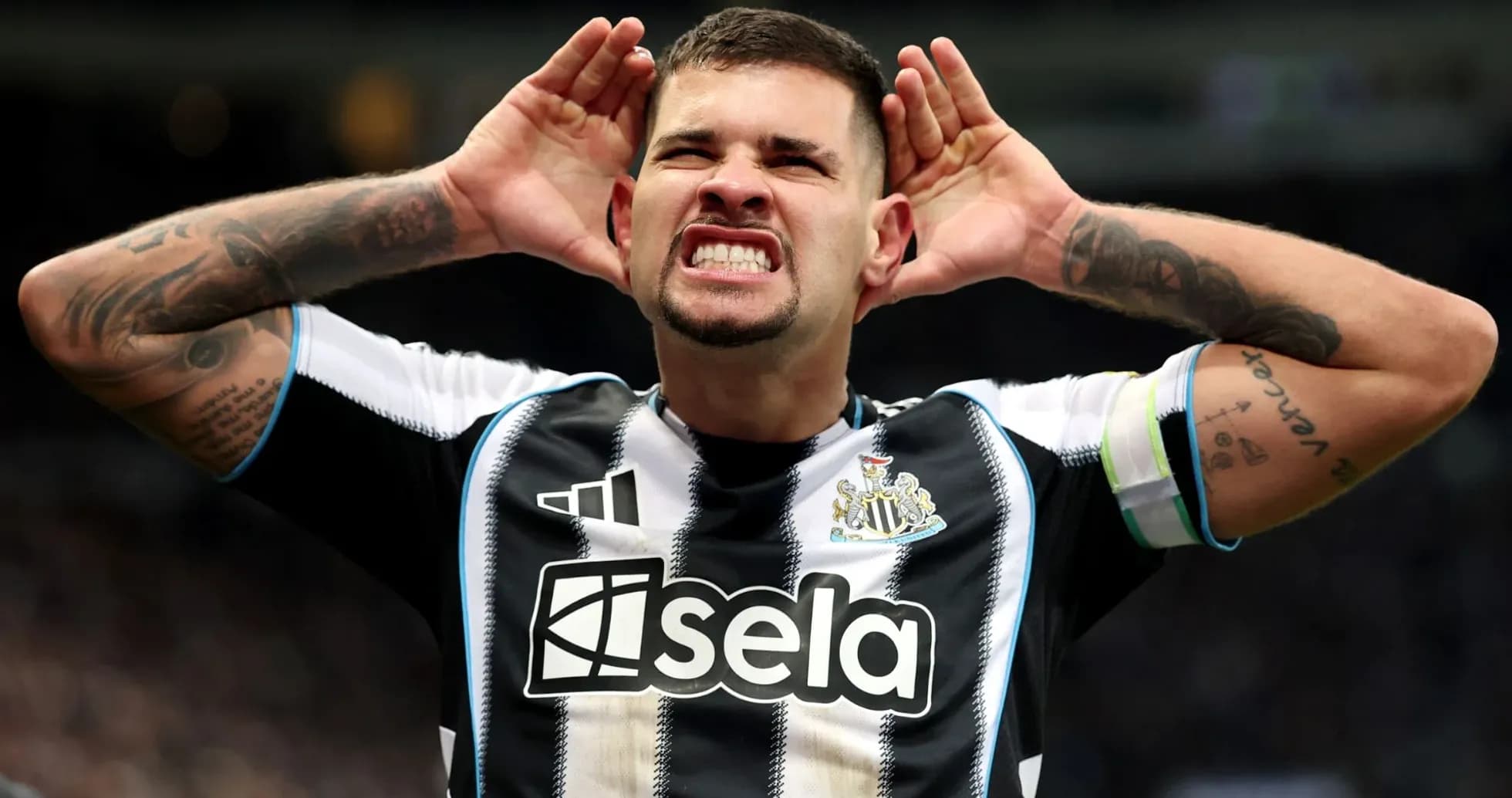
Newcastle United did not walk into this window planning to sell Bruno Guimaraes. They were pushed there.
Sporting director Ross Wilson laid it out plainly: this was not strategy, not some long‑term financial chess move. It was a reaction to a captain who, with emotion and respect, made it clear he wanted out.
“What we had to weigh up was, very respectfully from Bruno with his behaviour towards us, very emotionally as well, he effectively told us he wanted to leave and move on,” Wilson said, speaking to the BBC.
The words were calm; the implication was anything but. When your leader wants to go, the entire equation changes.
Newcastle did not simply open the door. They named their price range and waited. “That doesn't mean he can go,” Wilson stressed, “but it certainly plays a part in what our thinking is when we hit a certain range of number.” Once Arsenal reached that territory, the club’s resistance gave way to realism.
This was not the summer they had mapped out. “There's no part in saying it was part of our strategy and was in our thinking this summer – it wasn't,” Wilson admitted. “But we have got to be flexible and react to things that happen.” The flexibility has come at a cost that goes well beyond the balance sheet.
Guimaraes is the fourth pillar to fall in under a year. One by one, the core of Eddie Howe’s project has been stripped away. Sandro Tonali has gone to Tottenham. Anthony Gordon has been prised away by Barcelona. Alexander Isak left for Liverpool last summer. Now the captain, the heartbeat in midfield, is heading to north London.
Each departure has its own story, its own justification. Together, they form a pattern that raises harder questions about how Newcastle can keep pace while satisfying financial demands and player ambition.
Chief executive David Hopkinson framed the Guimaraes deal as a battle between heavyweights, not a fire sale. Arsenal did not arrive with a blank cheque. They tested Newcastle’s resolve, probing for weakness with lower opening offers for a midfielder who turns 29 in November.
“You're dealing with very sophisticated actors on each side,” Hopkinson said. “That's what negotiation looks like.”
Arsenal pushed. Newcastle held their line. Eventually, the number climbed into a zone the board could live with.
“It's a fee that satisfies us,” Hopkinson continued. Then came the broader context, the kind clubs like to lean on when explaining why a star has gone. “If you want to put a merchandising spin on it, it's the highest fee for a player in that position at that age, and all those things come into play.”
Strip away the spin and the core remains: Newcastle decided this was as good as it was going to get for a player of Guimaraes’ profile, on the verge of 29, openly ready for a new challenge.
“Is it a good deal for Newcastle United? I believe it is,” Hopkinson said. “But Arsenal are getting a very special player and person. It's worked from a financial perspective for both sides.”
Financially, perhaps. Emotionally and competitively, the calculation is far more brutal. Newcastle have now lost their most gifted forward, their brightest winger, a marquee midfielder, and their captain in quick succession. The club insists this is adaptation, not retreat.
The numbers might add up. The real test comes when the season does.