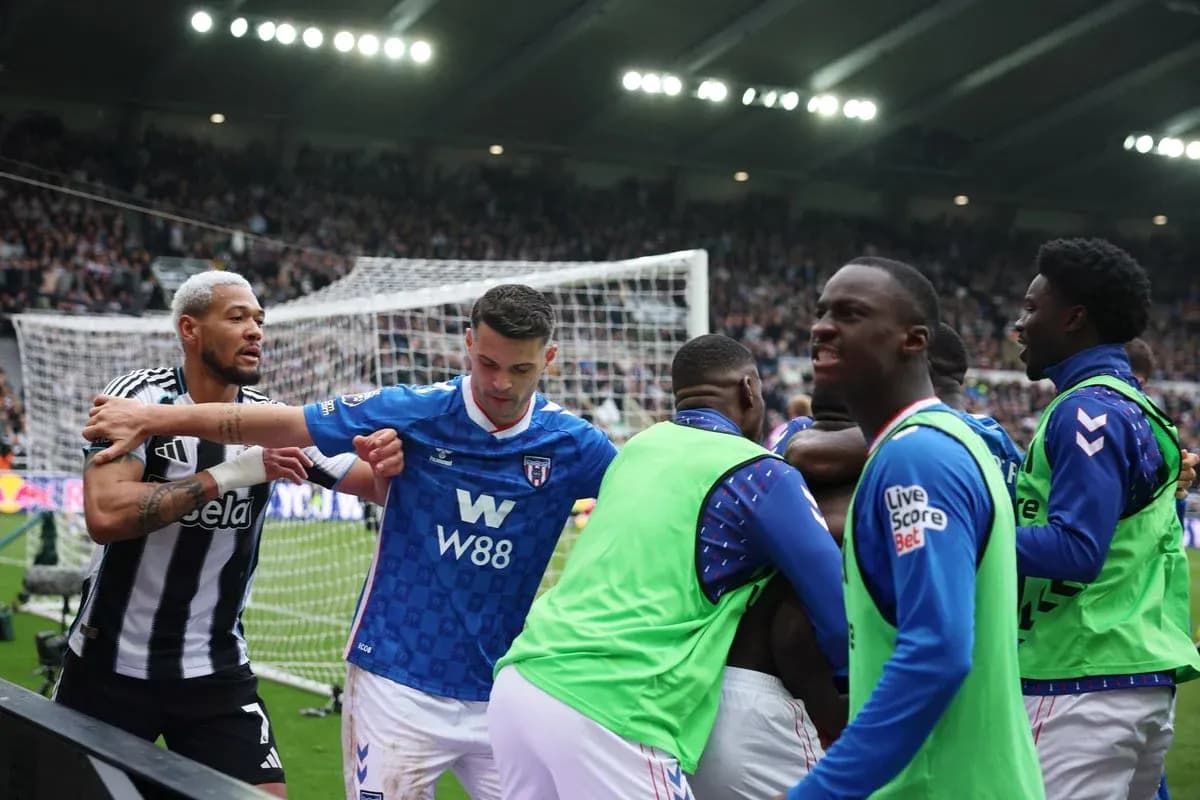
Newcastle's Derby Defeat: Eddie Howe Faces Critical Moment
The jeers poured down from the Gallowgate End, from a stand once associated with public executions. Eddie Howe stood beneath it all, applauding, face fixed in a grimace that barely hid the damage of a week that has shredded his authority and left Newcastle’s season in tatters.
Another Newcastle manager cut down by Sunderland. Another Tyne-Wear derby that feels like a verdict as much as a result.
Whether this proves fatal to Howe’s reign will be decided in the coming days and weeks, in boardrooms far removed from the raw anger of St James’ Park. The Saudi-led hierarchy must now decide if this is a blip to be repaired, or the moment to swing the axe and start again.
Right now, the evidence on the pitch is brutal. Newcastle look exhausted, a side whose legs have gone after crossing the 50-game mark this season. Their defence is porous, their resolve brittle. They have now tossed away 22 points from winning positions – the worst record in the Premier League. That isn’t bad luck. That’s fragility, naivety, a team that cannot hold its nerve.
Alan Shearer called them “pathetic, weak and lazy”. Few on Tyneside argued.
Howe, though, refused to flinch from the criticism.
“You never want to go through that (booing),” he said. “As the leader, I front up and absorb it and act like I normally would. I understand and accept the criticism.
“I am fully committed to the job. I am disappointed with my delivery this week. I mean, I always absorb the blame myself. I will protect my players to my last breath.
“It is very painful, most of all for our supporters. I think about them now. I have little to use as an excuse. We are desperately disappointed.”
Derby chaos, derby scars
The Tyne-Wear derby returned to Tyneside for the first time since 2016 and brought with it all the volatility, venom and theatre that had been simmering for eight long years.
“Utter chaos” off the pitch. Utter chaos in Newcastle’s defence. Sunderland, again, triumphant in enemy territory and now with a league double over their fiercest rivals.
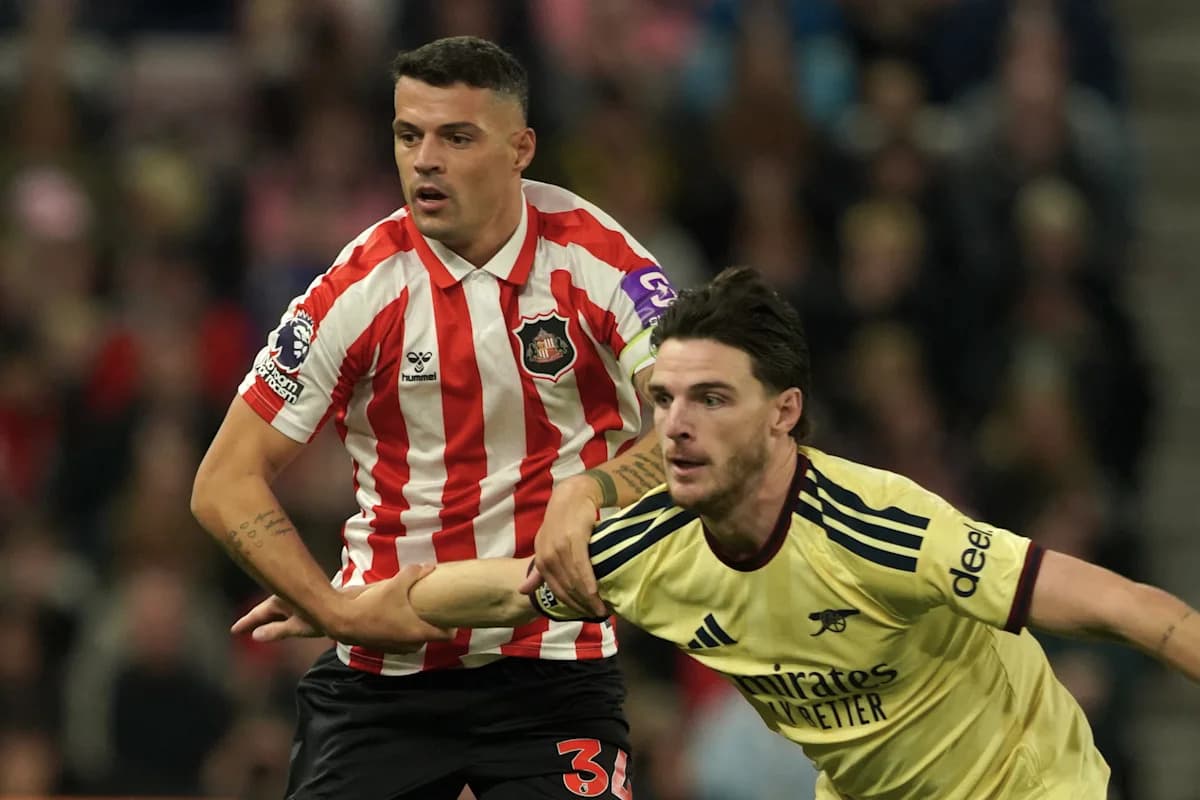
The day began with bloodied heads on the streets and the Sunderland team coach arriving with a smashed windscreen. It ended with Brian Brobbey wheeling away in the 90th minute, having rammed in a winner that sent the Leazes End into red-and-white delirium.
Between those flashpoints, the afternoon found room for something even more toxic. Play was halted as officials recorded an allegation of racist abuse from the home crowd towards Sunderland defender Lutsharel Geertruida. The Premier League launched an immediate investigation and pledged support for Geertruida and both clubs.
“We don’t condone racism of any form and the club will investigate,” Howe said. Sunderland head coach Regis Le Bris spoke with Geertruida after the match. “He is ok but it is not acceptable. It is important to report and manage the situation properly.”
On a football level, though, this was a damning response to the 7-2 humiliation by Barcelona in midweek. Newcastle’s hopes of returning to the Champions League were already flickering; Sunderland all but blew them out with a performance built on discipline, aggression and cold-blooded finishing from Brobbey and Chemsdine Talbi.
Le Bris masterminded it. His players delivered it – composed, edgy, resilient, refusing to wilt in the din.
Sunderland’s derby grip tightens
The numbers tell a story that stings on Tyneside. Sunderland are now unbeaten in 11 league derbies. Newcastle have not beaten them at home in the league since a 5-1 win in October 2010, a day when Sunderland were missing half a team through injury.
Howe’s strategy of calm and emotional control failed at the Stadium of Light in December in a 1-0 defeat. It failed again here, his side running out of energy and ideas as the game wore on.
He knows what this fixture can do to a manager. Ruud Gullit, Alan Pardew, Steve McClaren – all saw their positions eroded by derby failure. Howe was asked if this result carried extra weight.
“Some games have bigger consequences than others,” he admitted.
The build-up had been a week-long psychological warfare. Newcastle fans unfurled a banner: “Welcome to the region’s capital, you’ve been gone so long!” Fanzines traded insults and manifestos. Sunderland’s A Love Supreme went with a blunt: “I do not like Newcastle United Football Club.” The Roker Report reached for Sun Tzu’s Art of War, talking of “calmness on the banks of the Wear and anxiety all over Tyneside…”
On the Newcastle side, True Faith dismissed Sunderland as a “tinpot lower league outfit,” a “deluded, bitter, small-club-mentality” rotting in irrelevance, and insisted they “statistically should be in the bottom three”.
But it is points, not XG, that count. Nerve, not noise.
By the time pubs opened at 8am, the tone for the day was set. This is a fixture that once saw a United fan punch a police horse in defeat. On Saturday, Sunderland fans broke from their escort near the ground, flares billowed, and skirmishes flared just a corner kick away from the stadium.
Le Bris wanted no part of the wider madness. “The fight was only on the pitch. We have to stay respectful. They have a good crowd, we have fantastic fans, the fight is only on the pitch.”
On the pitch, it was exactly that: a tight, tense struggle, decided by composure in the key moments.
Newcastle strike first, then crumble
Newcastle struck early and, for a brief spell, it felt like the afternoon might follow a familiar script. On nine minutes, Sunderland’s patched-up back line – missing five key players and with Luke O’Nien pressed into service at centre-back – imploded.
O’Nien tried to be clever inside his own box, over-complicating a simple clearance. Nick Woltemade pounced, nicking the ball and slipping Anthony Gordon through. Gordon darted left and lashed his finish past Melker Ellborg. St James’ roared. The dam looked ready to burst.
It never did.
Sunderland steadied. They harried, pressed, and refused to let Newcastle turn the screw. The home crowd, sensing the fragility that has haunted them all season, began to fret.
On 56 minutes, the anxiety turned to anger. Aaron Ramsdale flapped at a corner, Trai Hume recycled the loose ball across goal, Brobbey bulldozed his way into the scramble and Talbi hammered in from eight yards. A messy goal, but a deserved one.
Newcastle briefly thought they had reclaimed control when Malick Thiaw headed in from a corner, only for Jacob Murphy to be penalised for a foul on Ellborg. Relief turned to fury in a heartbeat.
From there, Sunderland grew. Le Bris, a shrewd tactician, clogged up the midfield and shut down Newcastle’s passing lanes. “A big achievement,” he said later. “Two derbies won in the same year means a lot.”
Brobbey was the embodiment of that belief. He bullied Newcastle’s back line all afternoon, a constant menace, and when the decisive moment came in the 90th minute, he seized it. Black-and-white shirts crumpled around him as he muscled his way through to ram home the winner, sending the away end into a frenzy that will live long in Sunderland folklore.
Newcastle’s players sank. Howe stood alone on the touchline, absorbing it all.
Whether he survives this storm will be decided far above the dugout. But in this part of the world, derbies leave marks. On records. On reputations. And, very often, on managers.