Newcastle's Tactical Masterclass: Quality Over Possession
Newcastle’s win built on chance quality, game state management and a ruthless late substitution pattern rather than territorial dominance.
The battle for control
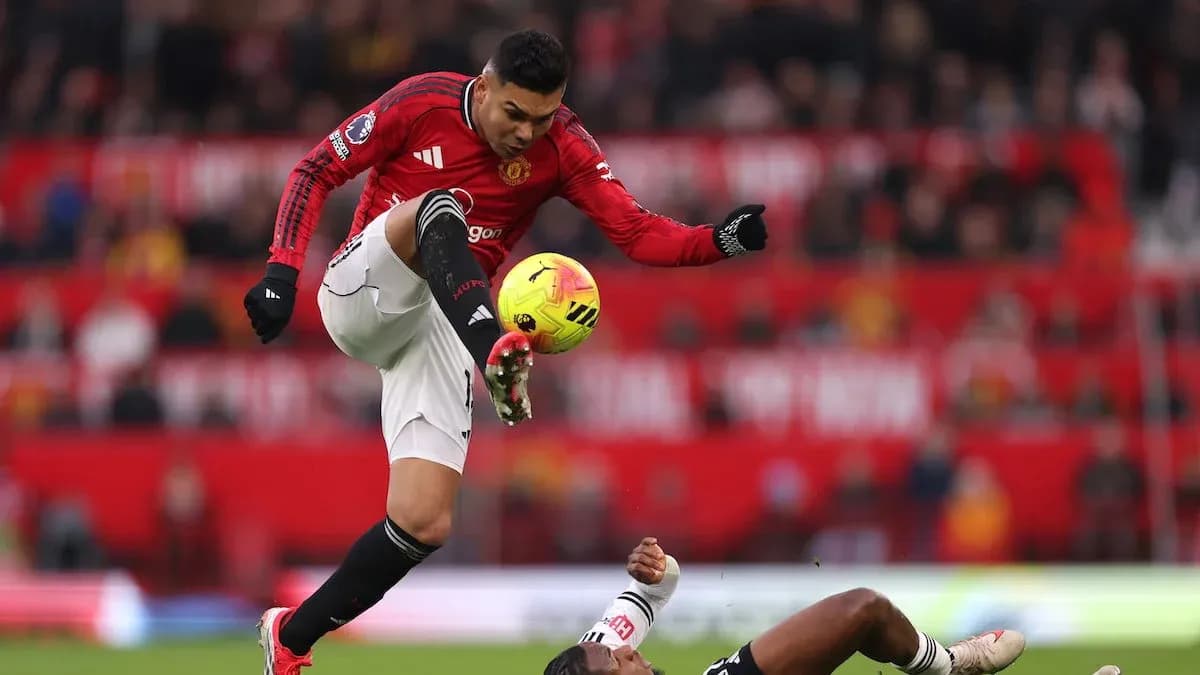
Manchester United had more of the ball, with 55 percent possession and a higher pass volume (469 to 381) at better accuracy (82 percent to 76 percent). Their 4-2-3-1, with Kobbie Mainoo and Casemiro as a double pivot, was designed to circulate and probe. Newcastle’s 4-3-3 accepted a mid-block role, compressing the centre with Joelinton and Sandro Tonali, and attacking quickly once possession was regained. The red card for Jacob Ramsey at 45 plus 1 shifted the strategic picture: from that point Newcastle deliberately ceded even more territory, protecting central zones and looking for isolated breaks and set-piece moments rather than long spells on the ball.
Offensive mechanics and efficiency
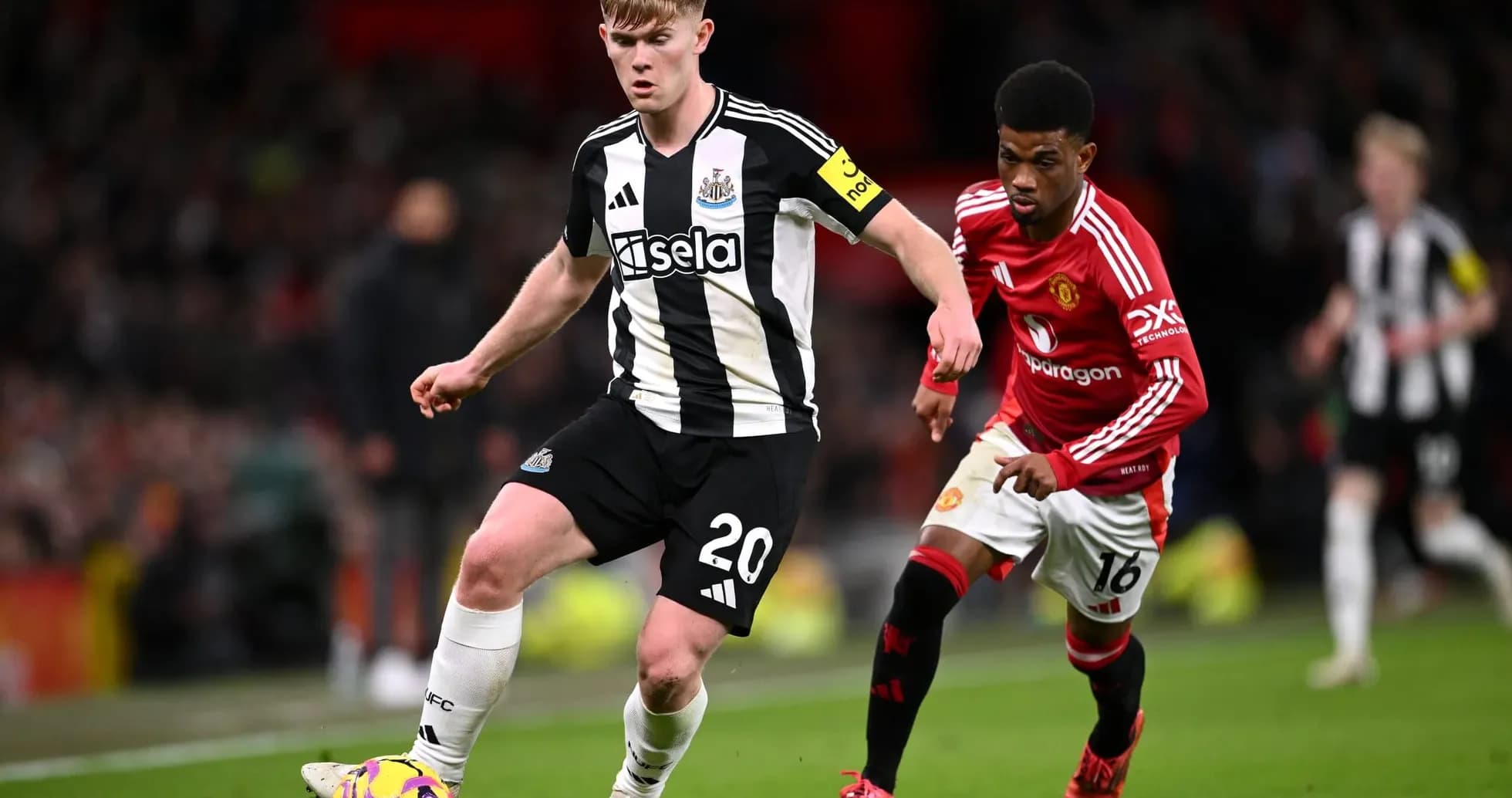
Despite the numerical disadvantage, Newcastle generated the better scoring threat. They produced 12 shots to United’s 14, but crucially created higher-quality looks, reflected in roughly 2.5 xG against United’s 1.5. Eight of Newcastle’s attempts came inside the box, matching United’s eight, but with more direct routes: early balls into the front three and aggressive underlaps from Lewis Hall and Kieran Trippier. Newcastle’s penalty from Anthony Gordon just before half-time rewarded that verticality.
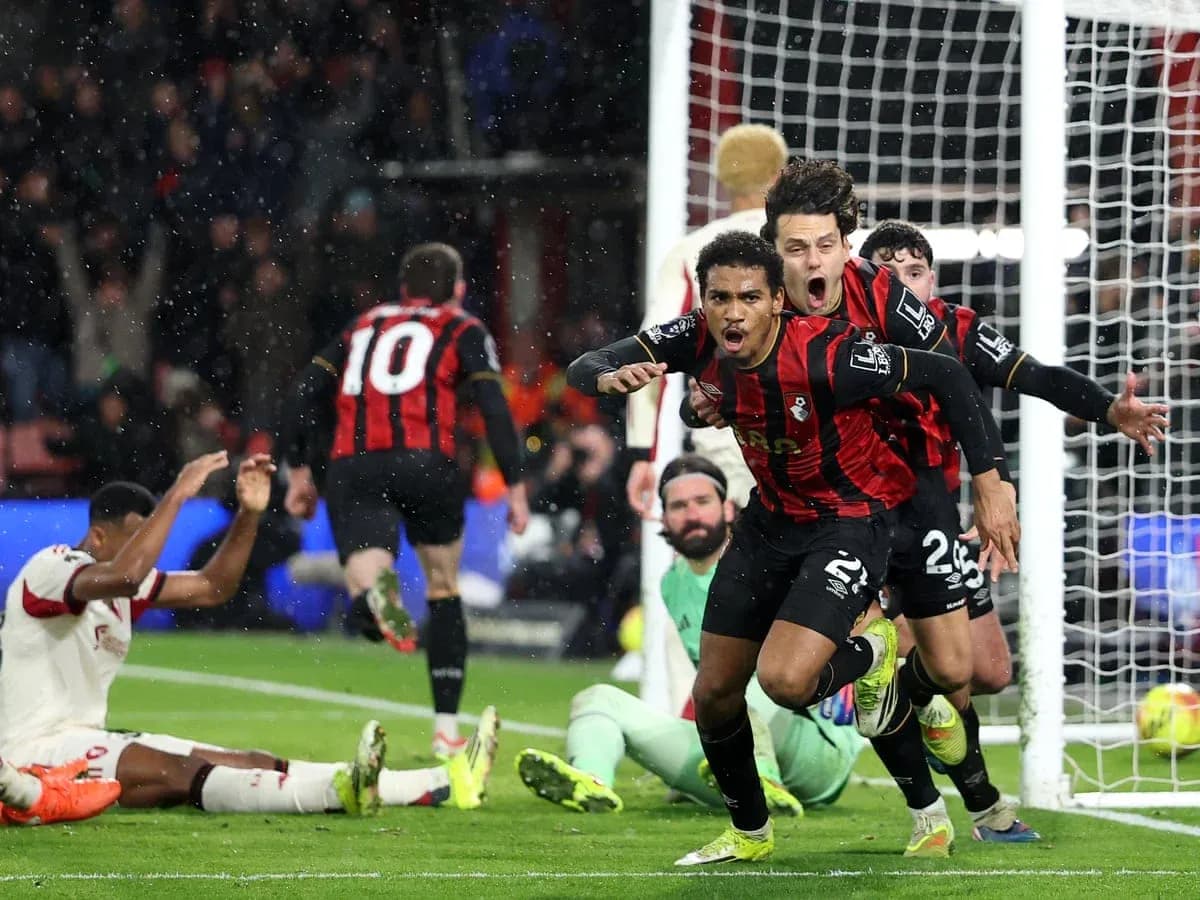
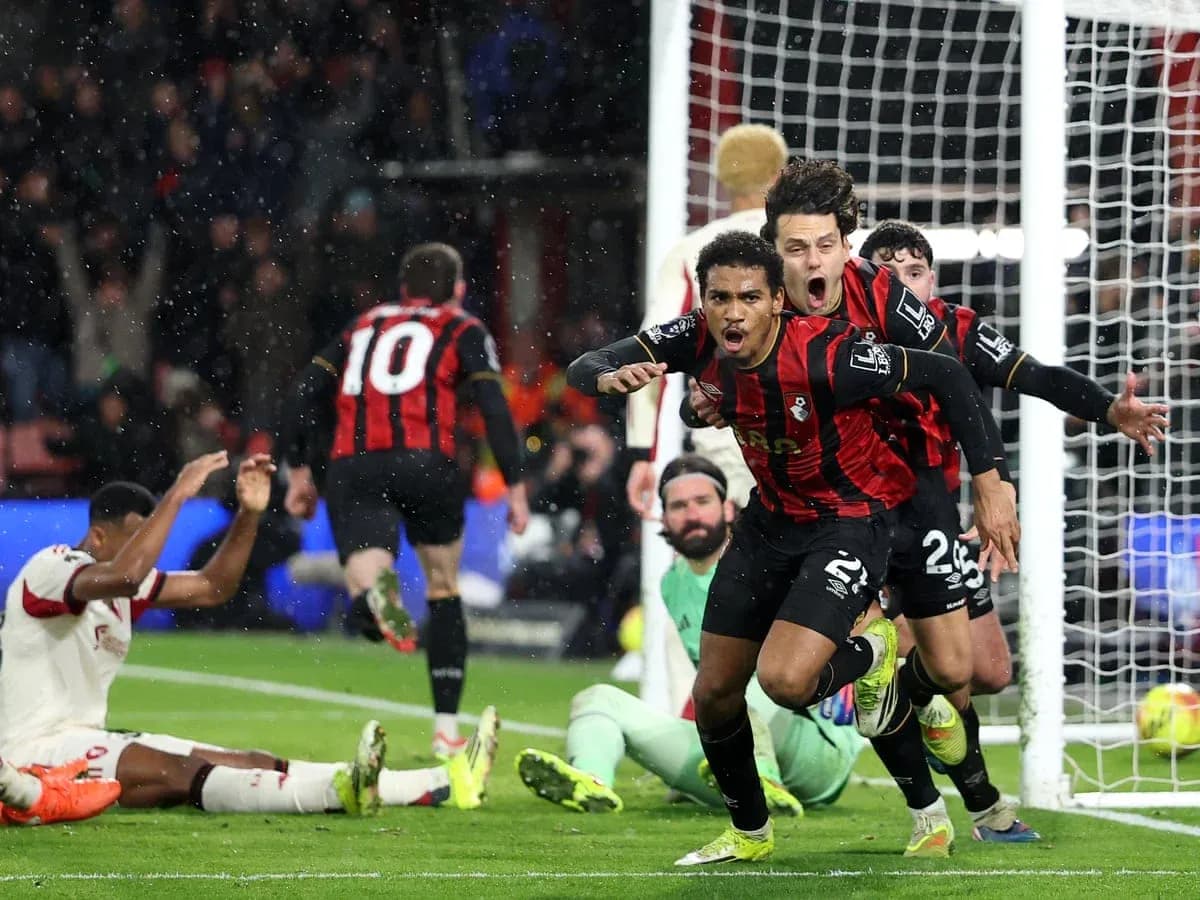
United’s structure delivered volume but not incision. Fourteen shots, with six from outside the box, underline a tendency to settle for lower-value efforts when Newcastle dropped deep after the dismissal. Manchester United had five shots blocked by Newcastle, illustrating how compact Eddie Howe’s side became around their own area. In contrast, Newcastle had only one shot blocked by Manchester United, showing the home side were more often able to get clean looks when they did attack. The decisive late goal from William Osula, created by a Trippier delivery in added time, epitomised Newcastle’s focus on maximizing a few high-impact moments rather than sustained pressure.
Defensive intensity and discipline
The contest was physically tight: 16 fouls from United, 15 from Newcastle. The card profile tells the tactical story. Newcastle’s four yellows plus Ramsey’s dismissal (booked for a foul on 26 minutes, then for simulation at 45 plus 1) show a side walking the line to disrupt United’s rhythm and protect transitions. United’s three yellows (Bryan Mbeumo on 37, Luke Shaw on 39, Noussair Mazraoui on 64, all for fouls) came as they tried to contain Newcastle’s wide threats and counter-attacks.
In goal, Aaron Ramsdale made four saves to Senne Lammens’ three, consistent with United’s slight shot advantage but lower chance quality. Both keepers performed at a standard level without needing extraordinary saves; the game was decided more by shot locations and defensive blocks than by heroic goalkeeping.
Substitutions and game plan evolution
Down to ten men, Newcastle’s changes were about preserving attacking threat while stabilizing the block. Harvey Barnes was withdrawn for Joe Willock at 46, shifting towards an extra runner from midfield to cover ground. Later, Jacob Murphy for Anthony Elanga on 84 and Osula for Gordon on 85 refreshed the front line with pace and directness, keeping United honest in transition even when chasing the game. Bringing Sven Botman for Tonali at 90 plus 7 further solidified the back line to see out the result.
United’s substitutions at 61 (Diogo Dalot for Casemiro and Manuel Ugarte for Shaw) subtly altered their shape. Removing Casemiro reduced their capacity to protect counters, a risk taken to push more men forward. The later introductions of Amad Diallo for Mainoo on 76 and Joshua Zirkzee for Mbeumo on 77 were clear attacking gambles, adding creativity and penalty-box presence. However, these changes also increased structural risk against counters, which Newcastle exploited with the late winner.
Conclusion
Newcastle won the control-versus-result battle: less possession, but superior chance quality and better adaptation to the red card. Their compact defending, highlighted by the volume of United shots blocked, and a targeted substitution strategy turned a difficult game state into a 2-1 victory at St. James’ Park.