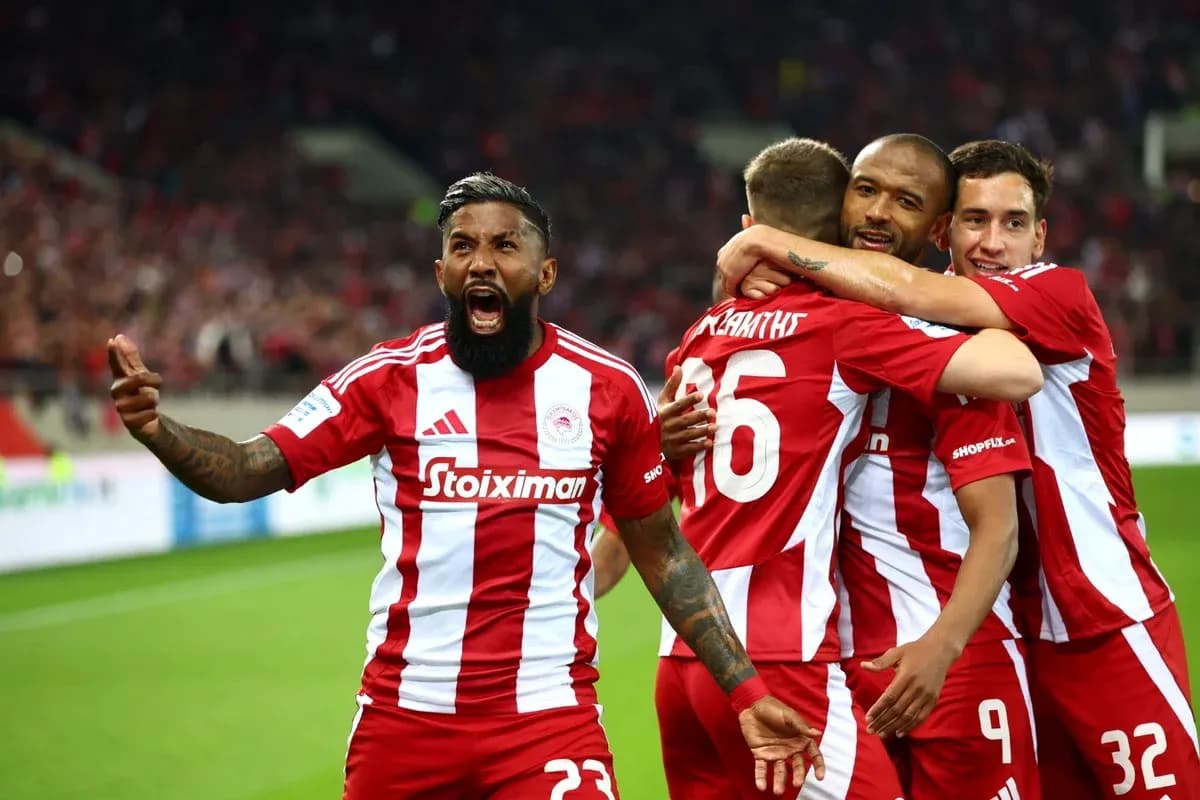
Olympiakos vs AEK Athens: A Title Decider at Karaiskakis
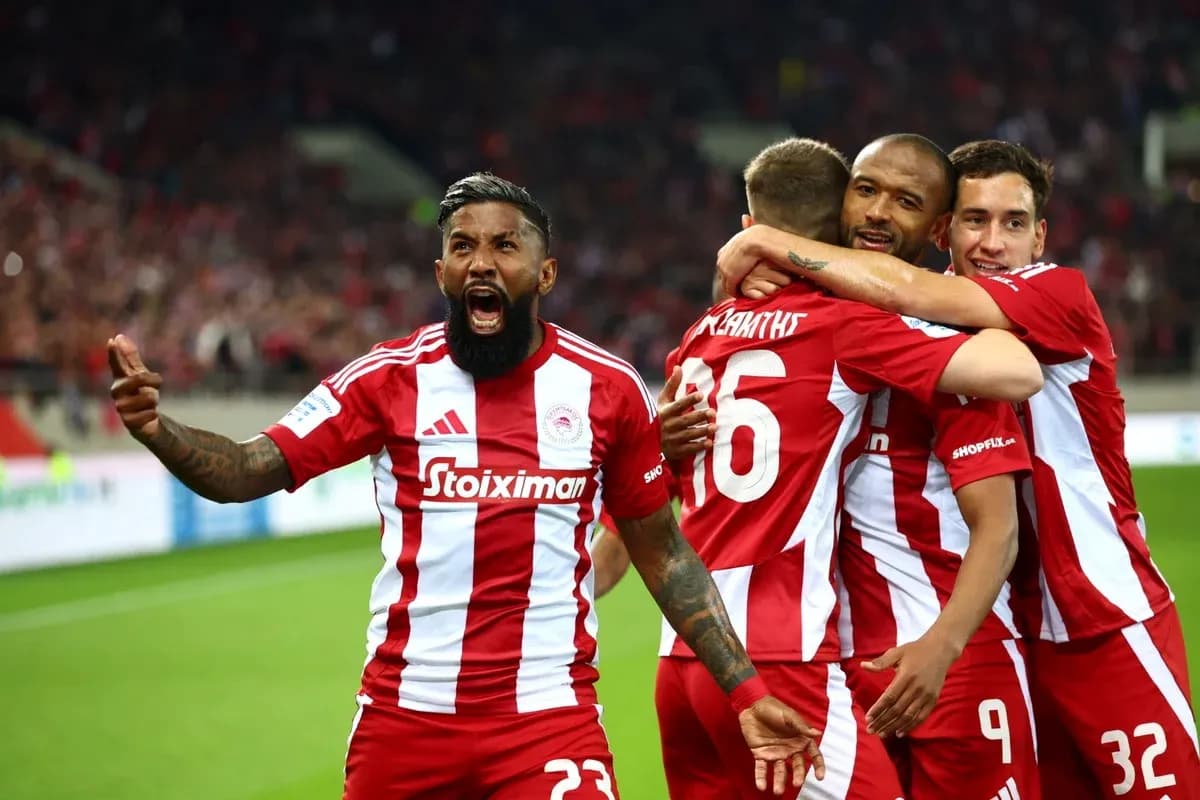
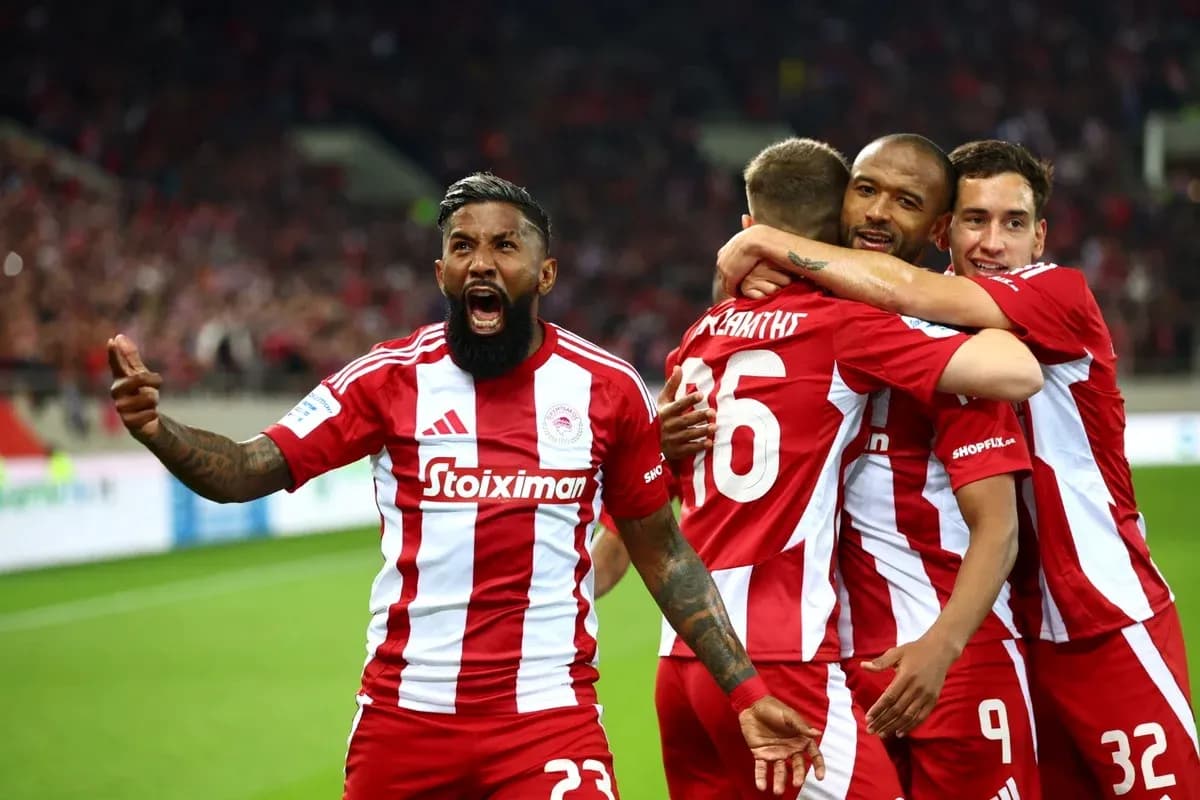
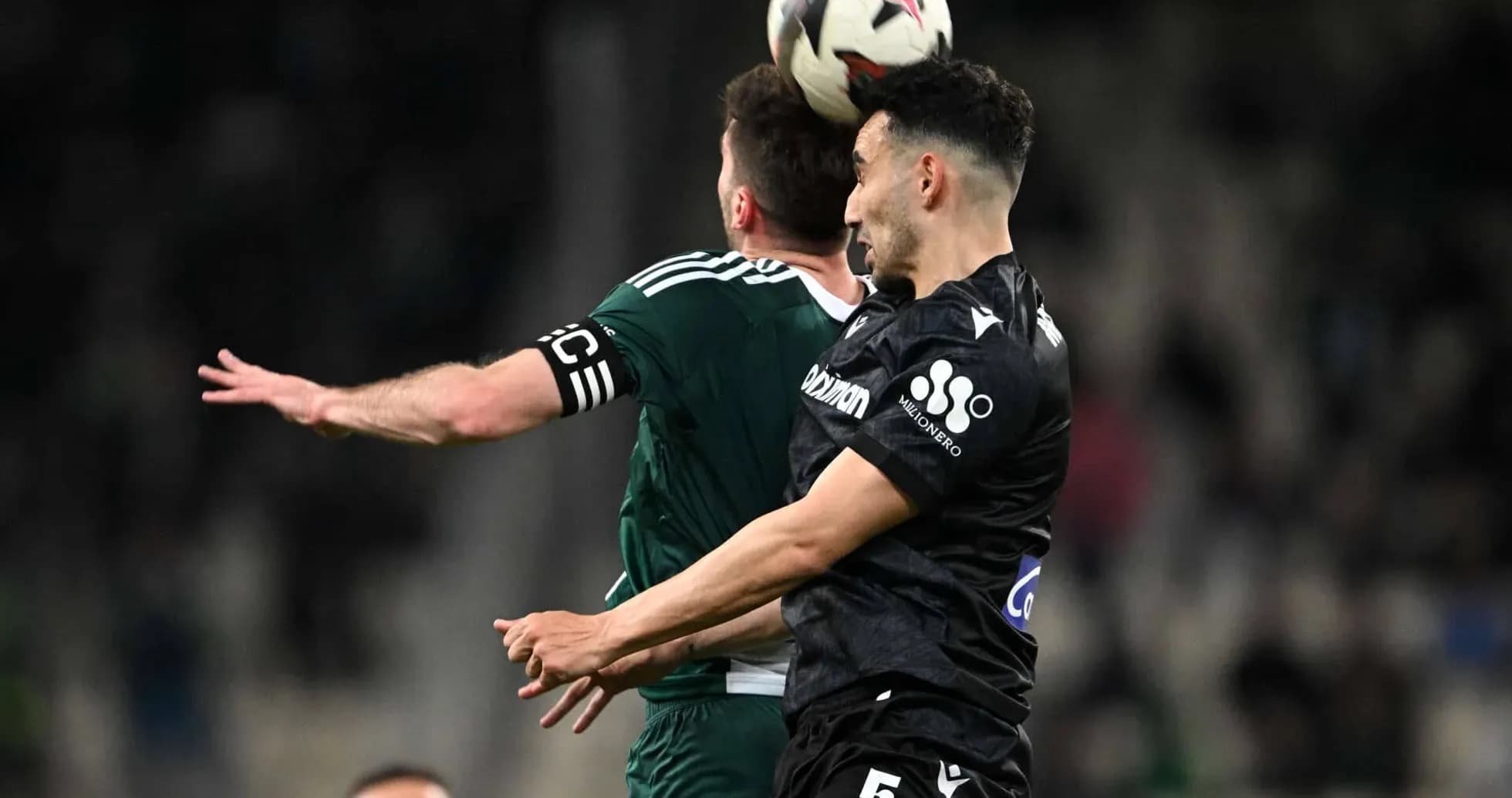
Under the lights at Georgios Karaiskakis Stadium, everything about this feels bigger than “Championship Group - 1”. On 5 April 2026 in Piraeus, Olympiakos Piraeus and AEK Athens FC restart Super League 1 with a derby that already looks like a title decider in all but name: first against second, 2 points between them, 26 games gone and the margins getting thinner by the week.
AEK arrive on 60 points, Olympiakos on 58. Both have lost only twice across all phases, both boast double-digit positive goal differences (AEK +32, Olympiakos +34), and both have spent months bullying the rest of the league. Now they run into each other again in a stadium that has already seen Olympiakos beat AEK twice in the last year.
This is not just about three points. It is about psychological control of the Championship Group and the right to dictate the run-in.
Form guide and momentum
Across all phases, these are the two most consistent sides in Greece.
Olympiakos’ long-form record reads like a title winner’s: 17 wins, 7 draws, 2 defeats from 26. Their goal difference of +34 is built on the league’s best defence (11 conceded) and an attack that averages 1.7 goals per game. The form string in the league phase – DWDWW – shows they rarely slip: one defeat in 26, and that resilience is backed up by 17 clean sheets.
AEK, though, have been just as relentless. They have 18 wins, 6 draws, 2 defeats, scoring more (49) and conceding more (17) than Olympiakos. Their league-phase form – WDWDW – mirrors the champions’ profile: difficult to beat, always finding a way to take something from games, and often more expansive than anyone else in Greece.
The numbers say there is barely anything between them. Olympiakos are tighter, AEK are a touch more explosive. Over 26 matches, Olympiakos have failed to score only 5 times; AEK only 3. Both have strung together long winning runs (a 7-match streak each at their best), both have responded well after setbacks.
What makes this fixture fascinating is that the league table gives AEK the edge, but the recent head-to-head story tilts heavily towards Olympiakos.
Head-to-head: Karaiskakis as a weapon
The last five meetings form a self-contained mini-rivalry:
- 1 February 2026: AEK Athens FC 1-1 Olympiakos Piraeus (Allwyn Arena, regular season)
- 26 October 2025: Olympiakos Piraeus 2-0 AEK Athens FC (Karaiskakis, regular season)
- 27 April 2025: AEK Athens FC 0-2 Olympiakos Piraeus (OPAP Arena, championship round)
- 13 April 2025: Olympiakos Piraeus 1-0 AEK Athens FC (Karaiskakis, championship round)
- 2 April 2025: AEK Athens FC 2-0 Olympiakos Piraeus (Cup semi-final, OPAP Arena)
Within that closed set, Olympiakos have 3 wins, AEK have 1, and there has been 1 draw. More tellingly, Olympiakos have kept three clean sheets in those victories and have never conceded at home to AEK in this run: 2-0 and 1-0 in Piraeus in 2025, plus that authoritative 2-0 in October 2025.
Karaiskakis has become a tactical fortress in this matchup. The crowd, the compact pitch, and Olympiakos’ comfort in playing front-foot football at home have repeatedly unsettled AEK, who are far more comfortable imposing themselves at OPAP Arena.
AEK’s one big success in this set was the 2-0 Cup semi-final win in Athens. That showed they can control Olympiakos in a high-stakes environment, but they have not yet translated that authority to Piraeus in these recent duels.
Tactical battle: defence vs aggression
Olympiakos’ statistical profile screams control and discipline. At home across all phases:
- 9 wins, 3 draws, 1 defeat from 13
- 24 goals scored (1.8 per game)
- Only 5 conceded (0.4 per game)
- 9 home clean sheets
They are most dangerous late: 13 of their 45 league goals (28.89%) come between minutes 76-90, and they also spike just before the break (31-45). They can suffocate opponents early and then gradually crank up pressure.
Defensively, their vulnerability – such as it is – comes right after half-time and into the mid-second half: 7 of 11 goals conceded (63.63%) arrive between minutes 46 and 75. That window will be key for AEK’s coaching staff.
AEK, by contrast, are more open and more front-foot, especially in transition:
- 11 home wins but a still-excellent away record: 7 wins, 5 draws, 1 defeat
- 24 away goals (1.8 per game), 12 conceded (0.9 per game)
- They score heavily from 46-90 minutes (31 goals in that span across all phases)
Their minute distribution shows a team that grows into matches. They are particularly lethal between 61-90, with 22 goals (45.84%) in that half-hour stretch. That overlaps directly with Olympiakos’ slightly more vulnerable phase, promising a ferocious second-half battle.
AEK’s defensive numbers are good but not elite. They have kept 15 clean sheets, yet concede almost a goal per game away. Against the most efficient attack in the league at home, that could be decisive.
Key individuals: El Kaabi vs Jović, and the supporting cast
This derby has a classic centre-forward sub-plot.
Ayoub El Kaabi leads the Super League 1 scoring charts with 17 goals for Olympiakos. His profile is that of a penalty-box predator who still contributes in build-up:
- 65 shots, 37 on target
- 16 key passes
- 5 penalties scored from 5, a flawless record from the spot
- 2 assists and 374 passes at 72% accuracy
Around him, Olympiakos can also unleash Mehdi Taremi, who has 10 goals and 2 assists in just 1075 minutes. Taremi’s 23 key passes and ability to drop off the line make him a hybrid creator-finisher, ideal for unlocking AEK’s defensive block or drawing fouls in dangerous areas.
AEK answer with Luka Jović, on 16 league goals. He is more of an all-round forward:
- 63 shots, 31 on target
- 15 key passes
- 4 penalties scored, 2 missed (so dangerous but not infallible)
- High duel volume (219) with 93 won, showing his physical presence
Behind or alongside him, Barnabás Varga adds another dimension: 5 goals, 2 assists in limited minutes, strong in aerial duels and chaos creation. AEK can alternate between Jović’s link play and Varga’s penalty-area aggression, or use them together in a 4-4-2 or 4-2-2-2, systems they have already deployed across all phases.
Both teams are ruthless from the spot: Olympiakos have converted all 8 penalties this campaign, AEK all 7. In a derby where the margins are thin, that reliability in high-pressure moments could matter.
Shape and game-plan
Olympiakos are remarkably stable structurally: 25 of their 26 league matches have come in a 4-2-3-1. Expect a double pivot to protect the back four, full-backs pushing high, and a No.10 linking with El Kaabi. At home, they will look to pin AEK back with sustained pressure, knowing their defensive structure can handle counters better than most.
AEK are more flexible. They have used:
- 4-4-2 (9 times)
- 4-2-3-1 (9 times)
- 4-2-2-2 (5 times)
- 4-1-3-2 and 4-4-1-1 occasionally
In Piraeus, a 4-2-3-1 mirror or a more conservative 4-4-2 without the ball feels likely, with a focus on compactness in midfield and quick vertical attacks into Jović and the wide players. Their card distribution – with a heavy spike in yellow cards from 76-90 – hints at how stretched they can become late on when chasing or protecting a result.
Discipline will be vital. Both sides have seen red cards in the 46-60 window this campaign, exactly when this match may become most intense.
Verdict
Everything points to a tight, high-quality contest between the league’s two best teams. AEK have the slender points cushion and the more varied attacking armoury; Olympiakos have the meanest defence, the best home record, and the psychological edge of recent home wins in this derby.
AEK’s away numbers suggest they will create chances, especially after the break. But Olympiakos’ combination of defensive solidity, late-game scoring power, and El Kaabi’s ruthless finishing at Karaiskakis gives them a slight edge.
Expect AEK to have more of the ball in phases, Olympiakos to be more clinical in the key zones. A narrow home win or a hard-fought draw feels the logical range, with Olympiakos marginally likelier to land the decisive punch in front of their own fans.