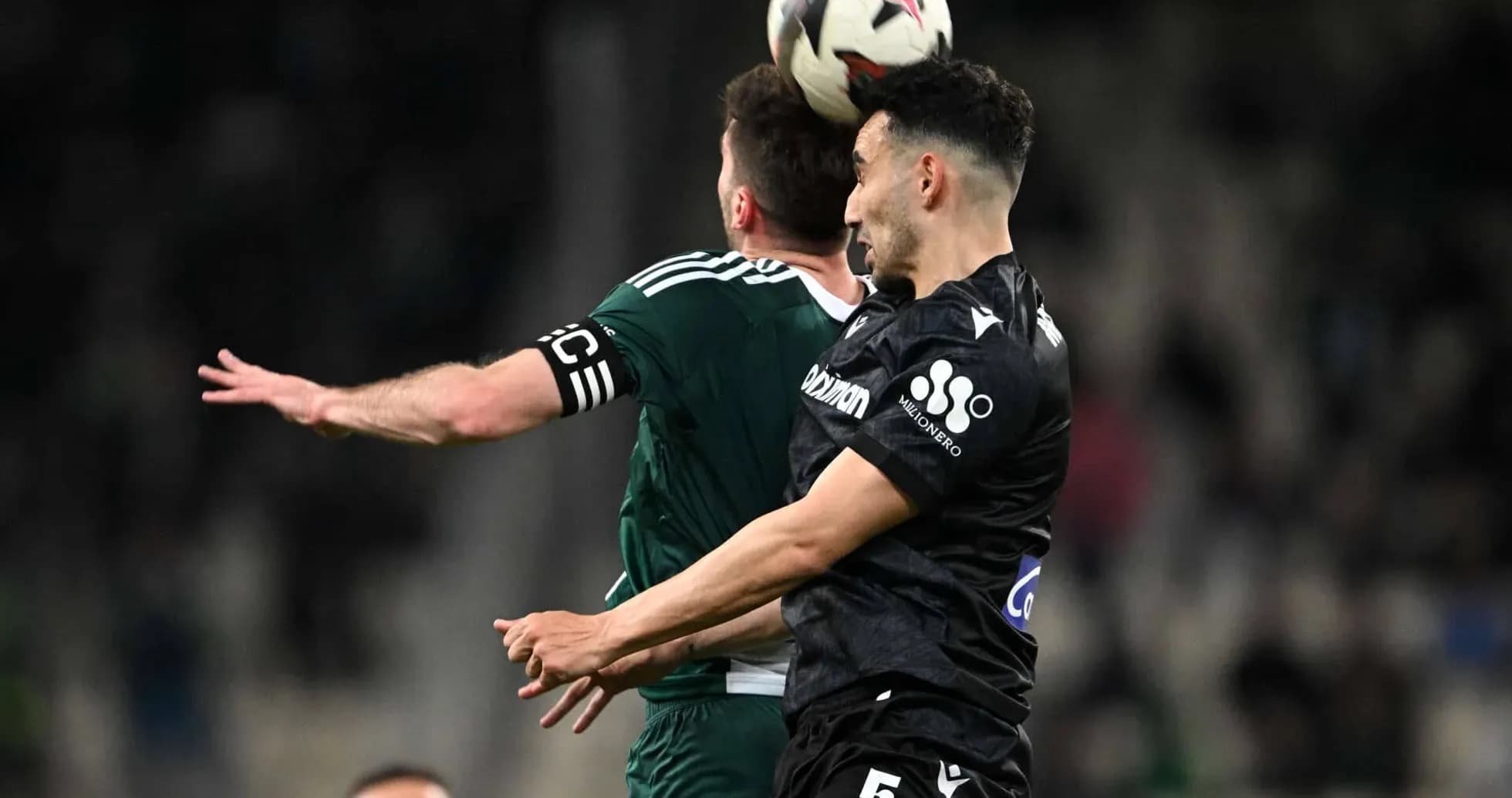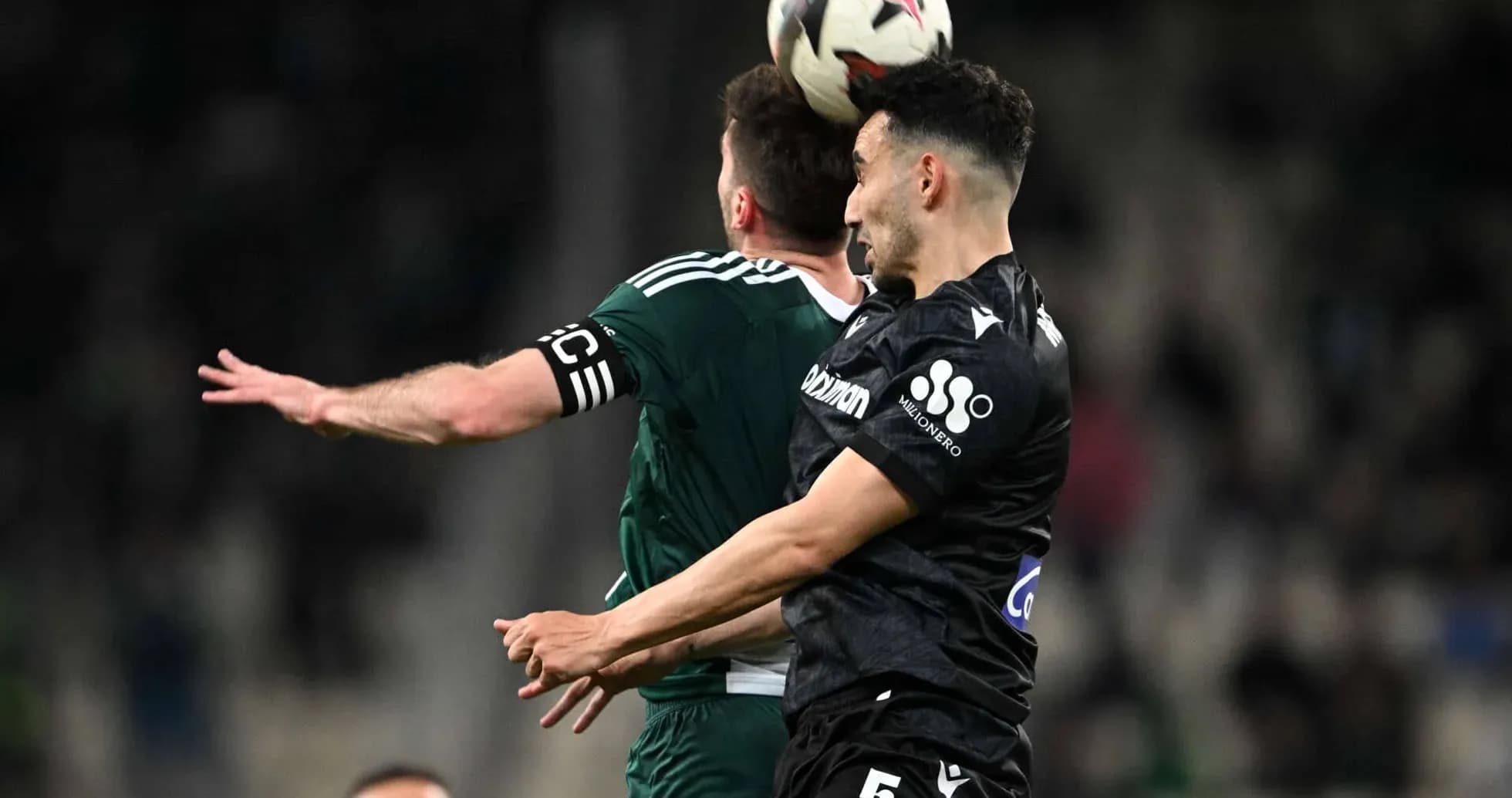
PAOK vs Panathinaikos: A Defining Clash in Greek Football
On 5 April 2026, Toumba Stadium will once again become the epicentre of Greek football as PAOK host Panathinaikos in the Championship Group of Super League 1. With the league phase long past and the title race now compressed into head‑to‑head clashes, third‑placed PAOK and fourth‑placed Panathinaikos arrive separated by just 8 points, but united by the feeling that this is a defining night for their ambitions.
PAOK have 57 points, a towering goal difference of +35 and an unbeaten home record in the league phase. Panathinaikos sit on 49 points with a goal difference of +18, knowing that a win in Thessaloniki would drag them right back into the conversation for the very top places in the Championship Group.
Form guide and momentum
Across all phases, PAOK’s campaign has been a model of consistency. They have won 17 of 26 league matches, losing only 3. The league-phase form string of LWDWW hints at a minor wobble, but the broader statistical picture is emphatic: 52 goals scored and only 17 conceded. At Toumba, they have been close to flawless – 11 wins and 2 draws from 13 home games, with 27 goals scored and just 3 conceded. That translates to an average of 2.1 goals for and 0.2 against per home match.
Panathinaikos, however, arrive in Thessaloniki with their own surge. Their league-phase form of WDWWW is the sign of a side peaking at the right moment. Across all phases, they have 14 wins, 7 draws and 5 defeats from 26 league games. Offensively they are strong (44 scored), but their defensive numbers (26 conceded) are not as watertight as PAOK’s. Away from Athens, they have 6 wins, 3 draws and 4 defeats, scoring 19 and conceding 16. An average of 1.5 goals scored and 1.2 conceded away suggests they are far more open on their travels.
The contrast is clear: PAOK are a machine at home, suffocating opponents with structure and defensive control, while Panathinaikos are a dangerous but more volatile away side, capable of big wins but also prone to heavy defeats – as underlined by their biggest away loss of 4-0.
The weight of recent history
If Panathinaikos need extra motivation, the recent head‑to‑head record provides plenty. In the last five meetings across league and cup, PAOK have dominated:
- 11 February 2026, Greek Cup Semi-finals at Toumba: PAOK 2-0 Panathinaikos
- 4 February 2026, Greek Cup Semi-finals in Athens: Panathinaikos 0-1 PAOK
- 21 December 2025, Super League 1 at Toumba: PAOK 2-0 Panathinaikos
- 9 November 2025, Super League 1 in Athens: Panathinaikos 2-1 PAOK
- 27 April 2025, Super League 1 at Toumba: PAOK 2-1 Panathinaikos
Four wins for PAOK, one for Panathinaikos. Three straight clean-sheet victories for PAOK at Toumba, including a ruthless cup semi-final double that sent them to the final. The pattern is unmistakable: in Thessaloniki, PAOK find another level against this opponent.
Panathinaikos will cling to that 2-1 home win in November 2025 as proof they can hurt PAOK, but they know that coming to Toumba has become one of the toughest assignments in Greek football.
Tactical landscape: PAOK’s control vs Panathinaikos’ flexibility
Across all phases, PAOK’s statistical profile screams balance and control. They score 2.0 goals per league match and concede just 0.7. Fifteen clean sheets in 26 games underline how difficult they are to break down. At home, 10 clean sheets in 13 games is an elite number.
Tactically, the data points to a clear identity: PAOK have used a 4-2-3-1 formation in 20 league matches, with occasional switches to 4-4-2 or 4-3-3. That base structure provides double protection in front of the defence, allowing creative midfielders and wide forwards to operate with freedom. Their biggest home win of 4-1 and an away 0-5 show they can shift between dominance in possession and ruthless counter-attacking.
Panathinaikos, by contrast, are more fluid – and at times more chaotic. They have alternated between 4-2-3-1 (9 matches) and 3-4-2-1 (8 matches), with a host of other shapes used in shorter bursts. That tactical flexibility can be an advantage, especially away from home, where they have produced a 1-4 statement victory. But it can also lead to instability, as suggested by their 4-0 away defeat and a goals-against average of 1.2 on the road.
In this matchup, expect PAOK to lean into their tried-and-tested 4-2-3-1: two disciplined pivots screening a back four that has conceded only 3 league goals at home, with a fluid trio of attacking midfielders working between the lines. Panathinaikos’ decision is more complex: do they mirror PAOK’s structure with their own 4-2-3-1 to fight for midfield parity, or switch to a back three to crowd the flanks and protect central spaces?
Key battles and protagonists
PAOK’s attacking threat is distributed across a core of high-impact players. Magomed Ozdoev has 7 league goals and 3 assists from midfield, combining intelligent late runs with solid passing (799 passes at 83% accuracy). Giannis Konstantelias, also on 7 goals with 1 assist, is the dribbler and line-breaker, with 75 attempted dribbles and 21 key passes. He will be central to unlocking Panathinaikos’ defensive block.
Up front, Georgios Giakoumakis offers penalty-box presence and physicality, also on 7 goals and 1 assist. His 35 shots, 16 on target, show a striker who will keep Panathinaikos’ centre-backs constantly engaged. Around them, Taison remains the creative heartbeat: 6 goals, 6 assists, 28 key passes and 19 successful dribbles. His ability to drift inside from wide areas and link with the No.10 will be a major problem for the visitors.
Panathinaikos’ own attacking numbers (44 goals across all phases) show they have enough firepower to threaten any defence, but they will be up against the most efficient back line in the league phase. Their route to success may lie in transition: exploiting the rare moments when PAOK’s full-backs push high, and using their own flexible shapes to overload wide zones.
Discipline could also be a hidden storyline. Panathinaikos have a high yellow-card concentration late in games (28.81% of yellows between minutes 76-90) and red cards appearing in the 61-75 and 91-105 ranges. Against a side like PAOK, who often turn the screw in the final quarter, any loss of composure could be fatal.
Intensity, refereeing and game rhythm
With D. Sylwestrzak appointed as referee, both teams will be aware that the battle lines in midfield will be closely monitored. PAOK’s yellow-card distribution is more evenly spread, but they also tend to collect cards in the 31-45 and 61-90 windows, exactly when the game’s tempo usually spikes. Expect a fiercely contested midfield zone, with tactical fouls and duels shaping the rhythm.
PAOK’s card profile suggests a side that knows when to break up play, while Panathinaikos’ late-card spike hints at a team that can become stretched as they chase results. In a tight Championship Group clash, that psychological and disciplinary edge might matter as much as pure tactics.
Verdict
Everything about the data points to a ferocious, high‑stakes encounter. PAOK are statistically the most complete home side in the league phase: unbeaten at Toumba, averaging more than two goals scored and conceding almost nothing. They have also beaten Panathinaikos in Thessaloniki three times in a row without conceding.
Panathinaikos, though, are in excellent form, with WDWWW in the league phase and enough attacking quality to trouble anyone. Their away record is positive, and their tactical flexibility could spring a surprise if they find the right balance between caution and ambition.
Logically, PAOK must be considered favourites. Their home dominance, defensive solidity and recent head‑to‑head superiority give them a clear edge. Expect Panathinaikos to have spells of pressure and perhaps find a way onto the scoresheet, but the most probable outcome is a narrow home win, with PAOK’s structure and attacking variety ultimately proving decisive in another intense night at Toumba.