Player's Ban Overturned: A New Chapter in Football
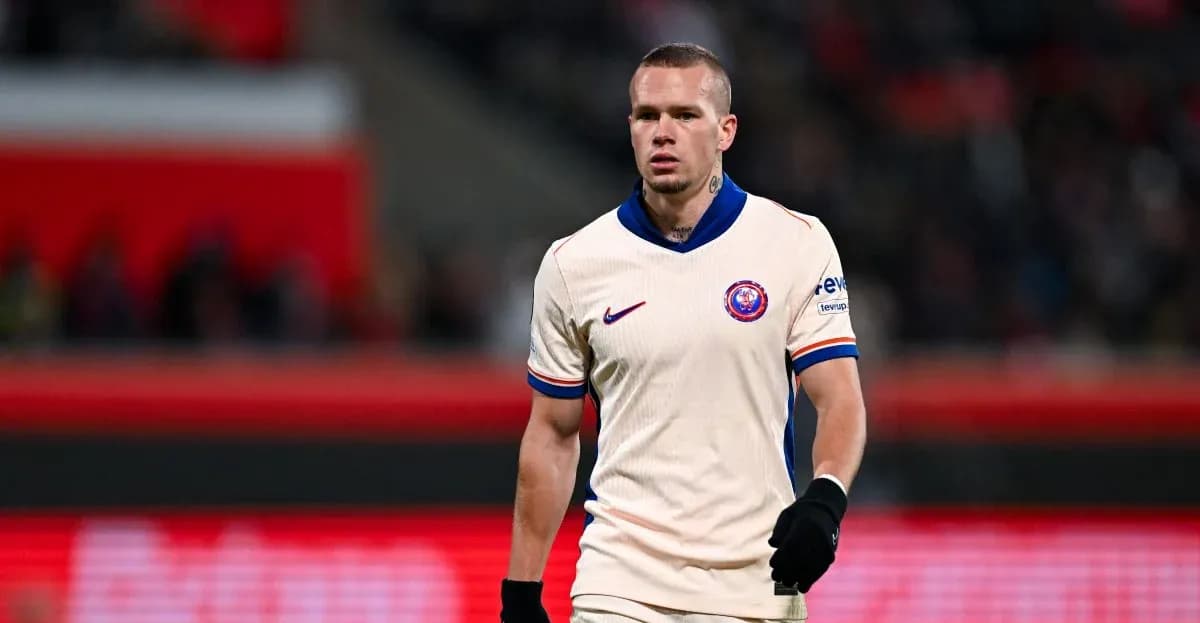
The long wait is over. The four-year ban that threatened to tear a career in half has been overturned, and the player at the centre of the case is free to return to football immediately.
After months of legal argument and personal strain, the decision rescinding the suspension has finally arrived, drawing a line under one of the most testing chapters of his professional life. What had loomed as a potentially career-defining punishment has been wiped away, leaving the door open for a fresh start.
He described it as “the most difficult period” of his career, a stretch of time dominated not by training sessions and matchdays, but by hearings, paperwork and doubt. Throughout the process he has stood by one central claim: he never knowingly or intentionally took a banned substance. That stance, repeated from the outset, has underpinned his fight to clear his name and preserve his reputation.
Fair competition and integrity, he stressed, have always been central to the way he represents both club and country. Those are not throwaway phrases in this context; they are the foundations on which he wants his return to be judged. For a professional whose identity is tied so tightly to elite performance, the suggestion of cheating cuts deep. Having that cloud lifted changes everything.
Behind the scenes, a tight circle helped carry the weight. Family and friends, he said, stayed with him through the darkest moments, when the prospect of not playing again for years felt brutally real. Their support, quiet but constant, became a lifeline as the case dragged on.
Chelsea FC also feature prominently in his words of thanks. He reserved special appreciation for staff inside the club, his teammates in the dressing room and the supporters who refused to turn away. In an era when loyalty can feel fleeting, that backing mattered. It gave him a sense that there was still something to return to, that he was not fighting alone.
He also highlighted the work of his legal team and others who contributed to the case, acknowledging the long hours and detail-heavy grind required to overturn such a severe sanction. Without that effort, the outcome could have been very different.
Now the tone shifts. The language of defence and justification gives way to the language of football again: training, hard work, contribution. His focus, he says, is firmly on getting back on the pitch, rebuilding sharpness and rhythm, and proving his value where it counts most — in competitive matches.
He knows he returns to a game that has moved on in his absence. Squads evolve, managers change, tactics shift. But he steps back into it with something powerful behind him: the feeling that people continued to believe in him when it would have been easier to walk away.
The ban is gone. The scrutiny will not be. How he responds now, with his career handed back to him, will define this next chapter far more than the case that almost cut it short.