Premier League Returns: Coventry, Ipswich, and Hull's Unique Stories
The Premier League has three old names back on the board, but they arrive with very different stories.
Coventry City return after a quarter of a century away, reborn under Frank Lampard. Ipswich Town stumble back in after a chaotic few years and a managerial change. Hull City? They’ve somehow scrambled from the brink of League One to the top flight, with a transfer embargo and a leaky defence in between.
Now comes the hard part: staying up.
Coventry City: Smart, sharp, and finally back
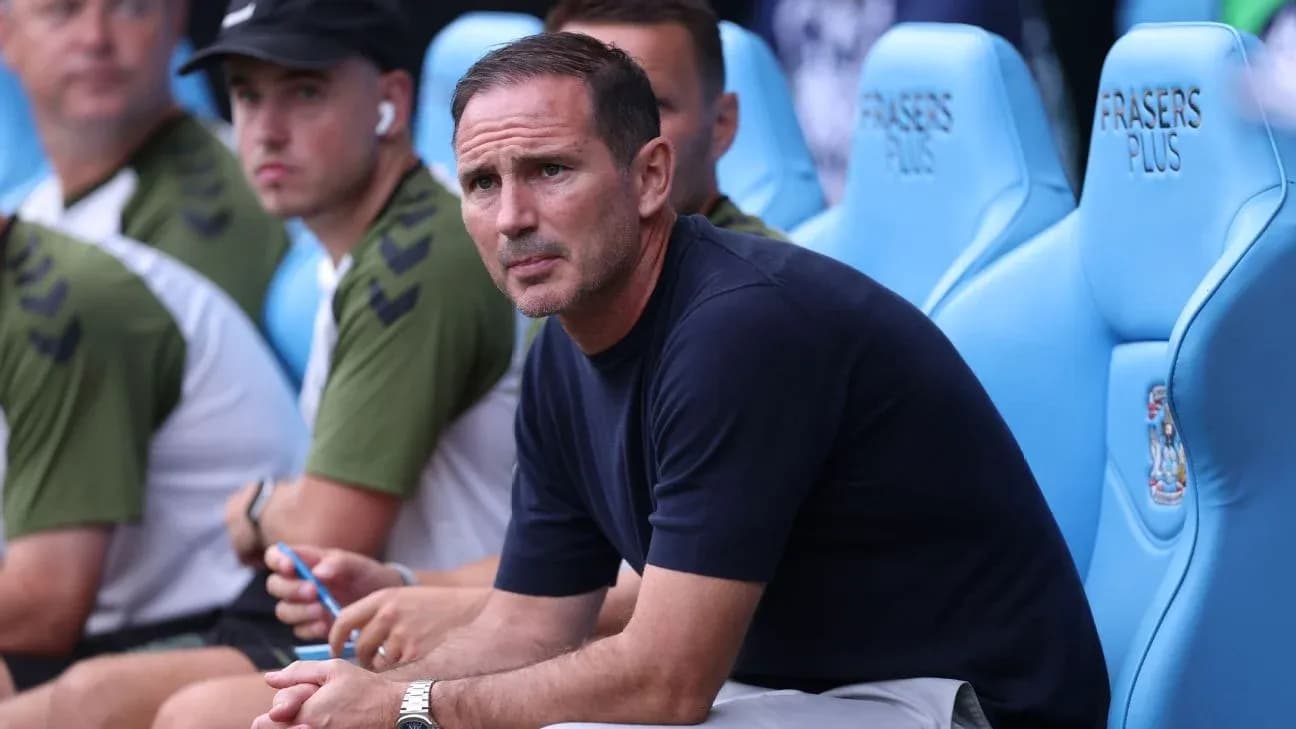
Twenty-five years is a long time to wait. Coventry haven’t just wandered back into the Premier League by accident; this has been built carefully, piece by piece, through some of the Championship’s shrewdest recruitment. They just needed a manager to pull it all together. Lampard did exactly that.
His side tore through the division last season. Ninety-seven league goals. Only 45 conceded. An 11-point cushion at the top, title wrapped up with four games to spare. That is dominance, not a lucky run.
They did it on the front foot too. Coventry didn’t lean on a single talisman to drag them up. Seven different players hit seven or more league goals, with Lampard’s team firing more shots on target than anyone else and ranking second for big chances created. The shape was usually a 4-2-3-1, occasionally flipping to a 4-3-3, but the idea rarely changed: attack in waves, press high, and share the burden.
At the heart of that approach now sits Jack Rudoni. Last season he posted seven goals and seven assists in the Championship, but the numbers only tell part of the story. He roams. He crashes into the box late. He links play and drives Coventry up the pitch. Championship watchers have talked for a while about him having Premier League quality; this season removes the “if” from that conversation.
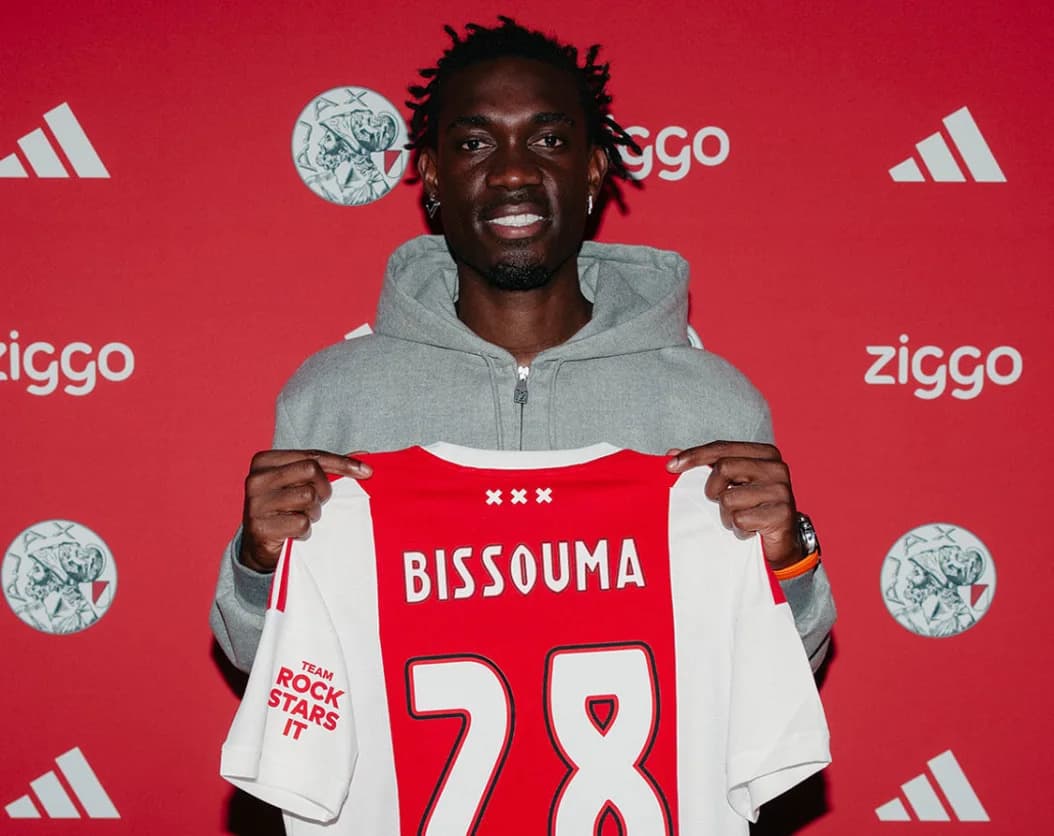
Behind him, the club’s ambition in the market has been impossible to miss. Coventry have smashed their transfer record three times this summer, the standout move being the £23.1 million arrival of Caleb Yirenkyi from Nordsjaelland. Fresh from featuring in all four of Ghana’s World Cup games and scoring against Panama, he arrives to anchor midfield as a modern No. 6. He breaks up play, carries the ball, and starts attacks. In a league where promoted sides are often swamped in the middle, his energy and composure could be the difference between hanging on and being overrun.
Put it all together and Coventry look the most complete of the three new arrivals. Lampard has built unity, a clear identity and a squad that knows how to win. Survival won’t be comfortable, but if any of the promoted trio are going to cling on, Coventry feel the best equipped to do it.
Ipswich Town: New manager, same danger
Ipswich’s route back to the Premier League has been anything but smooth. They surged up with back-to-back promotions, only to be brutally exposed in the top flight in 2024-25: just four wins, 22 points, 19th place. One season, straight back down.
They regrouped. Stayed calm. And then came straight back up again.
Last season’s promotion was built on something far more solid. Ipswich had the Championship’s second-best defensive record, with 17 clean sheets and only 47 goals conceded. They were compact, disciplined and stubborn, a deliberate shift away from the chaotic football that had undone them in their previous Premier League attempt.
But the architect of that reset has gone. Kieran McKenna departed in the summer, leaving a huge void. Gary O’Neill steps in with a reputation for organisation and resilience, and his previous jobs suggest he will not rip up the blueprint. Expect a compact shape, often in a 4-4-2, and a team that stays narrow, blocks space and tries to frustrate.
That kind of approach needs warriors in midfield, and Azor Matusiwa fits the bill. He hasn’t featured in pre-season as he works back to fitness, yet his importance is obvious. Ipswich will be under pressure most weeks; they need someone to do the dirty work, close gaps, tackle, screen the back four. When he’s back, he becomes a central piece of O’Neill’s survival plan.
Up front, the pressure is very different. Goals kept them alive in the Championship, with four players hitting double figures, but the step up is brutal. That’s why the club pushed to a new record fee for Emersonn, paying £24m for the striker after his six-goal season with Toulouse. On paper, that’s a gamble. In reality, Ipswich had little choice. They need a focal point, someone who can grow into the role and turn half-chances into points. He’s young, raw, and has shown flashes of genuine talent; the question is how quickly he can adapt.
The concern lingers over the dugout, not the dressing room. McKenna’s influence on Ipswich’s rise was enormous, and his decision to walk away leaves a shadow. O’Neill is capable, but he is inheriting a project defined so heavily by one man’s ideas and energy. With the margins so tight at the bottom, that kind of disruption can be fatal.
Ipswich have a decent core, a solid defensive base and a manager who understands survival fights. But stripping out the figure who transformed the club may yet drag them straight back down again.
Hull City: From the brink to the big time
Hull’s presence in this season’s Premier League table almost doesn’t make sense on paper.
Two years ago they stayed in the Championship on goal difference, flirting with a drop to League One. They went into last season under a transfer embargo. They then scraped into the playoffs with a win on the final day. This is not the usual profile of a promoted side.
Yet here they are.
The numbers are wild. Hull conceded 66 goals last season, the fourth-worst defensive record in the Championship. Teams with that kind of fragility do not normally go up. What saved them was a combination of resilience against the division’s top 10 and a stubborn streak away from home in those big games. When it mattered most, they tightened up completely, not conceding a single goal across the playoffs and edging Middlesbrough 1-0 in a final overshadowed by the “Spygate” controversy.
Sergej Jakirovic has been central to this improbable rise. He arrived at Hull as a relative unknown to English fans but quickly imposed his ideas. The default shape is a 4-2-3-1, yet he has shown a willingness to switch to a back three with wing-backs when the game demands it, a tweak that hurt Millwall badly in the playoff semifinal. He has hammered home the message that Hull’s strength lies in the collective, in the unit, not in any one star.
Even so, certain players have stood out. Ryan Giles has become a driving force from left-back, essentially acting as Hull’s playmaker from deep and wide. His surging runs and precise delivery produced eight assists in the Championship last season, and his set-piece quality gives Hull a crucial weapon in tight games where chances are scarce.
Recognising how fragile they were at the back, Hull attacked the summer with a clear focus: stop conceding. The headline move saw them smash their transfer record to sign goalkeeper Konstantinos Tzolakis from Olympiacos. His shot-stopping and presence will be tested relentlessly in the Premier League, and his form could dictate whether Hull hang around or disappear quickly. Lucas Gourna-Douath also arrives with intrigue attached; once tipped for big things, the 23-year-old midfielder now has a platform to show whether that early promise can be turned into Premier League substance.
Strip away the romance, though, and the warning signs are hard to ignore. Hull’s defensive record last season was poor. Their attacking output doesn’t scream safety either. The squad looks short on proven quality, top-level experience and depth. Grit and togetherness carried them this far, but the Premier League has a habit of exposing any weakness, no matter how spirited the story.
Coventry look ready to scrap and survive. Ipswich are walking a tightrope after losing their visionary coach. Hull are braced for a storm. By May, we’ll know which of these return stories becomes a foundation – and which one goes straight back into the file marked “what might have been.”