Protesters Occupy Dublin Sports Department Amid Israel Clash
The Nations League meeting between Ireland and Israel has yet to kick off, but it is already being fought on a very different stage.
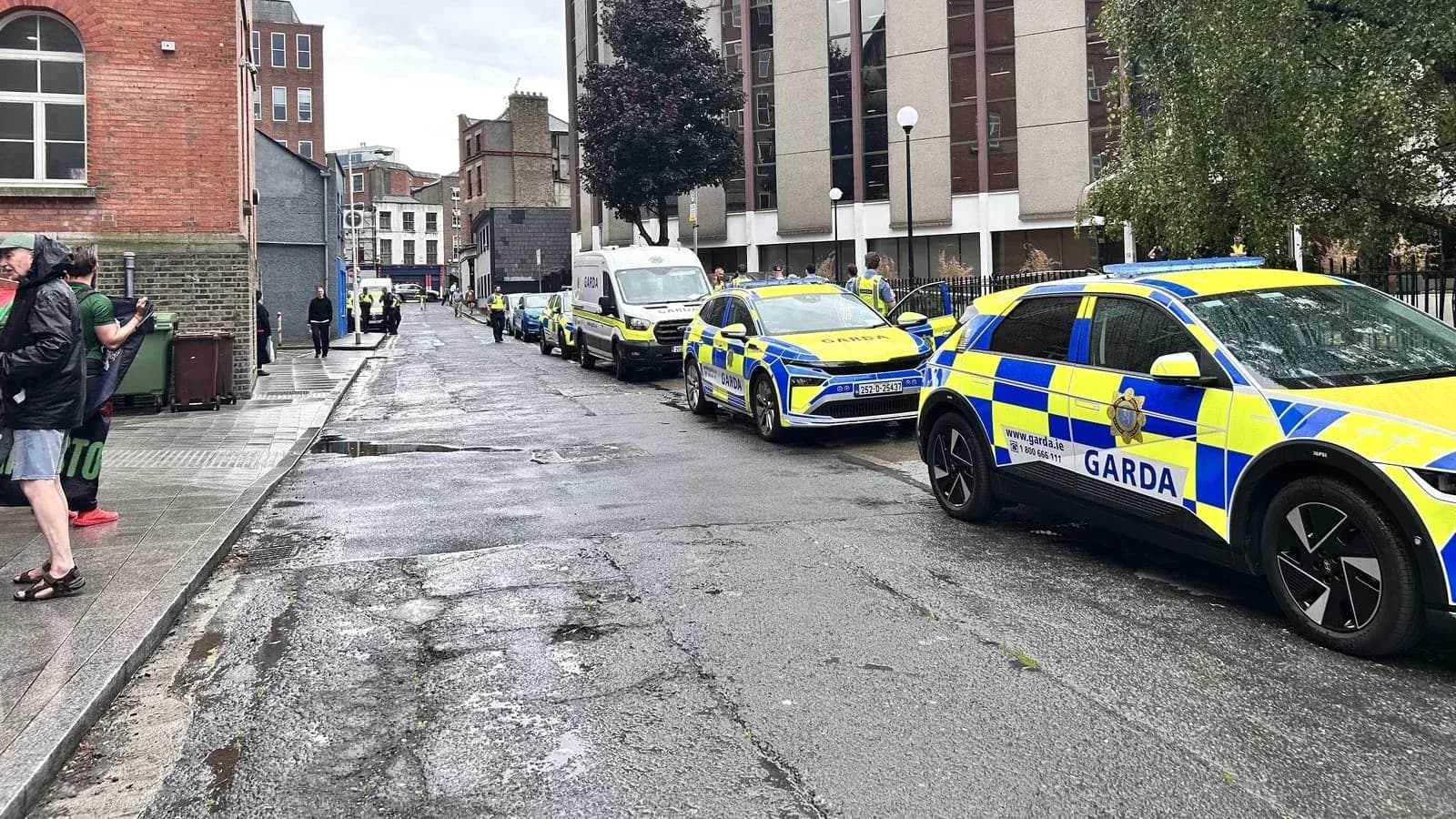
On Leeson Lane in Dublin, #StopTheGame activists occupied the lobby of the Department of Culture, Communications and Sport, turning a government building into the latest battleground over whether the Republic of Ireland should fulfil its October fixtures against Israel.
They didn’t stay long. Security and gardaí moved them on, and the protesters were removed from the Department of Sport. The message, though, had already been delivered: this is not just another international window.
Protesters target “sportswashing”
In a statement, the #StopTheGame group framed the sit-in as part of a rolling campaign designed to crank up the pressure as the Nations League dates draw closer. They insist the protests will “intensify” until both fixtures are called off.
The language was uncompromising. Ireland, they argued, is a signatory to the International Criminal Court and should not, in their words, be “engaging in sportswashing” by playing Israel. To do so, they claimed, is a failure of Ireland’s “moral, humanitarian and legal obligations” as a state.
The group also turned its fire on the Football Association of Ireland and the Government, accusing both of driving ahead with the games. Their statement singled out Taoiseach Micheál Martin, saying he was among the first to demand that the FAI fulfil the fixtures.
Independent Dublin City Councillor Cieran Perry, acting as spokesman, pushed the responsibility firmly towards the institutions rather than the dressing room. Players, he said, should not be placed under pressure to decide whether the game goes ahead; that call, in his view, belongs to the FAI and the Government, who he believes should withdraw from the Nations League ties altogether.
FAI moves home tie to Serbia
Inside Abbottstown, the FAI has already shifted its stance once. Last month, the association confirmed that the Republic of Ireland’s “home” Nations League match against Israel will not take place on Irish soil.
Instead, the fixture has been moved to Bačka Topola in Serbia, to be played behind closed doors on Sunday, 4 October. No home crowd, no Aviva Stadium, no Dublin.
In its statement, the FAI Board cited “operational challenges that could impact on the delivery of the game on home soil” as the reason for switching to a neutral venue. It stopped short of directly addressing the political and moral arguments swirling around the tie, focusing instead on the logistics of staging the match.
The away game, meanwhile, remains in place. Ireland are scheduled to face Israel first on 27 September at the Nagyerdei Stadion in Debrecen, Hungary, another neutral setting but still very much on the calendar.
Two fixtures. Two different countries. Neither in Ireland. The football, for now, goes on.
Government distances itself from fixture decision
While protesters occupied the lobby, the Department of Sport drew a clear line in the sand about where its authority ends.
A spokeswoman stressed that National Governing Bodies such as the FAI are “independent, autonomous bodies” and carry responsibility for running their own sports, including the organisation of fixtures at home and abroad. The message was blunt: the Government and Sport Ireland “have no role in the organisation of such fixtures”.
That stance leaves the FAI squarely in the spotlight. Activists want the association to walk away from the games. The Government insists it is not the decision-maker. The fixtures remain on UEFA’s schedule.
The Nations League was designed to add competitive edge to international breaks. In Ireland’s case this autumn, it has done something else: it has dragged football into the heart of a political and ethical argument that shows no sign of easing before the first whistle blows.