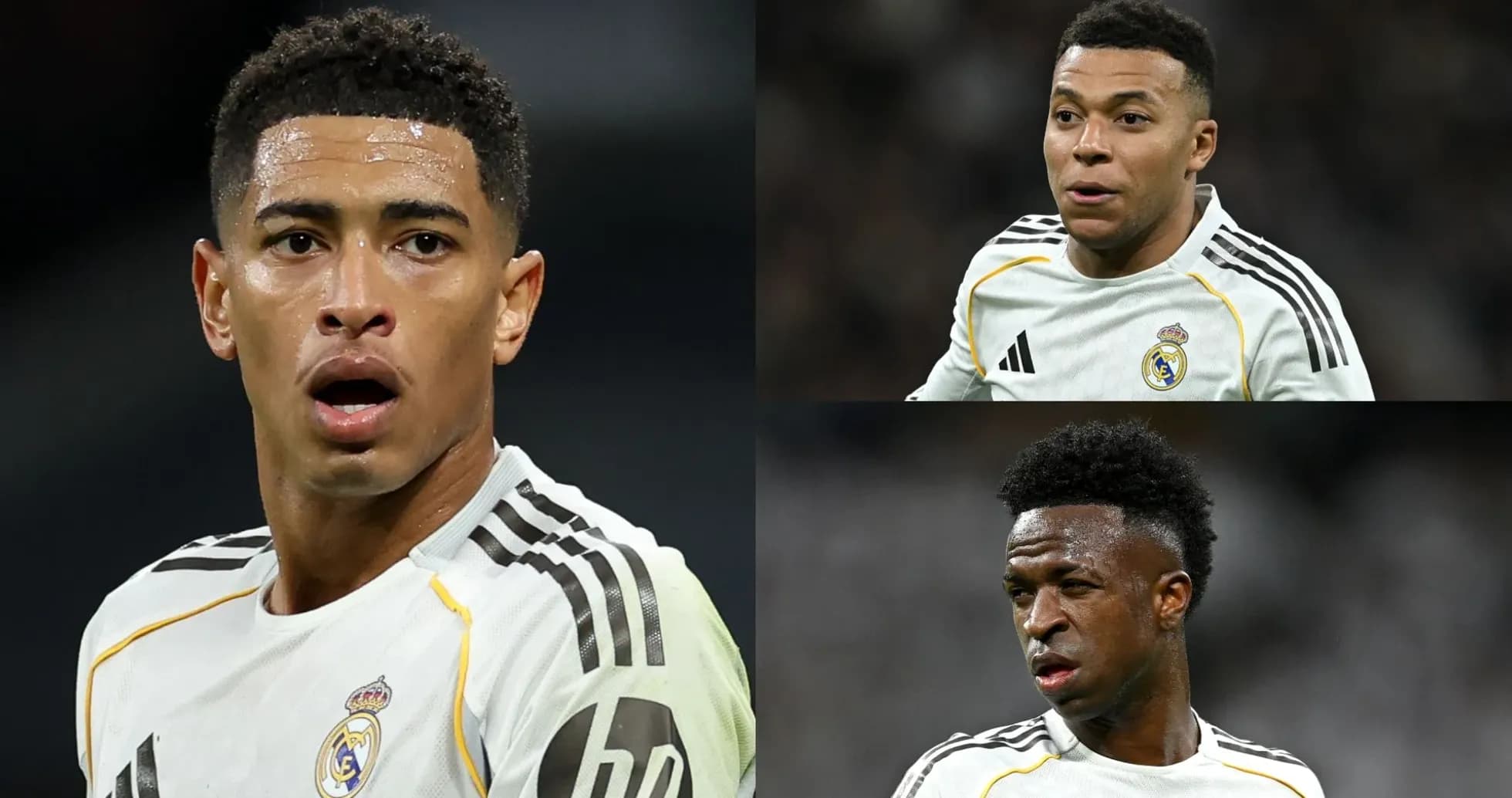
Real Madrid's Frontline Faces Pressure in Champions League Clash
The lights will be blinding at the Allianz Arena, but the real glare is on Real Madrid’s frontline.
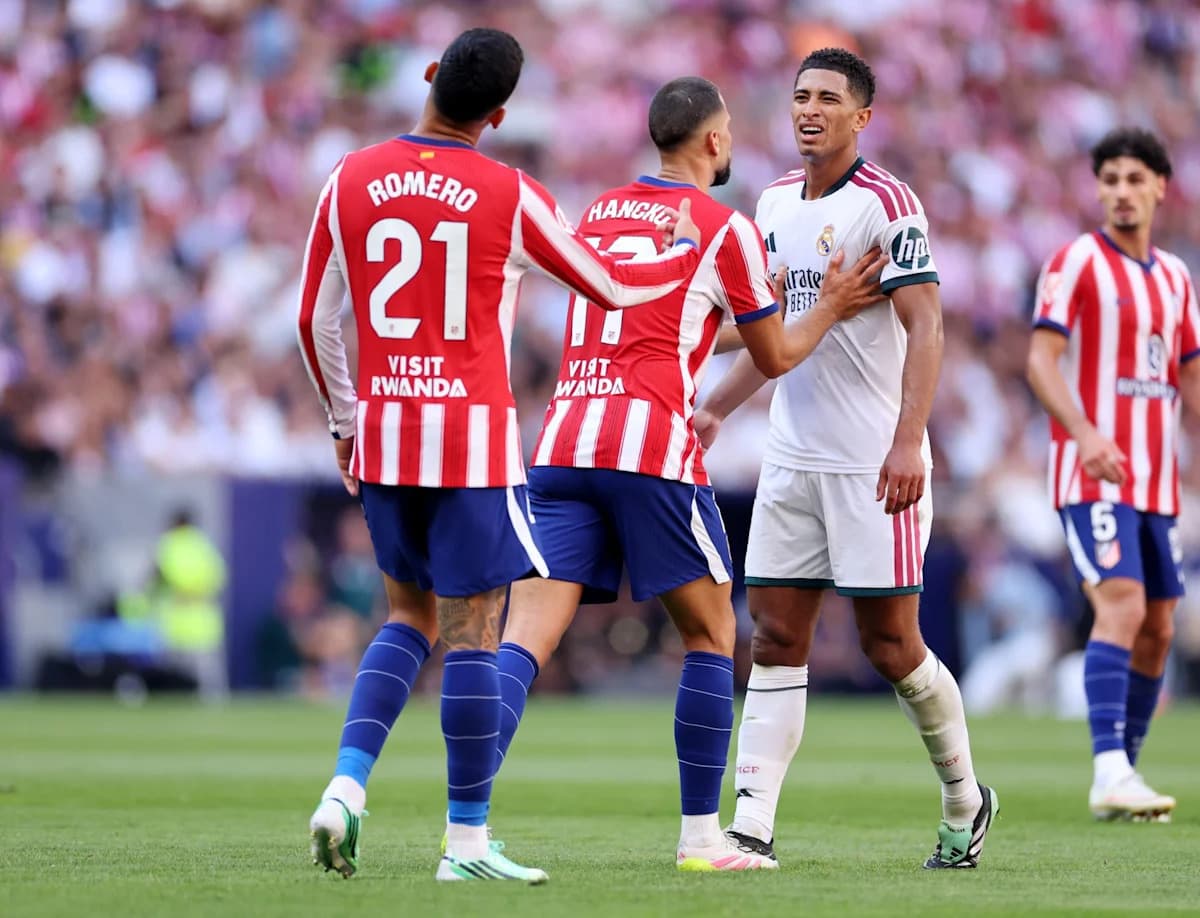
When Kylian Mbappe walked into the Bernabeu in 2024 to join Vinicius Junior and Jude Bellingham, the script felt pre-written: a devastating trident, a new galáctico era, goals on tap. Reality has been less cinematic. The talent is undeniable, the chemistry less so.
Bellingham did not try to dress it up before Madrid’s trip to Munich.
"It's difficult, because I still feel like there've been many games where we've mixed really well," he admitted, speaking with the bluntness of someone who knows exactly what’s at stake. The issue is not ego, but geography. Mbappe and Vinicius both crave that left half-space, that same lane of chaos. Too often, they end up in each other’s shadows.
"At times, it can be difficult with two naturally left-sided players [Mbappe and Vini]. It can be difficult when we're all on the same side," Bellingham said. The solution, for now, has been tactical compromise. "[Alvaro] Arbeloa's found a balance with me on the other side a bit more. We're fluid, we have freedom to move around, at times that can disorganise a bit, but with both of them, you have to trust in their ability... When things are right, hopefully like tomorrow. I've seen it before."
Those last words carry weight. Madrid do not just need the trio to click; they need them to save their season.
All or nothing in Europe
The numbers are brutal. Madrid trail 2-1 on aggregate after losing the first leg at home. In La Liga, they sit nine points behind Barcelona after a flat draw with Girona. The domestic title has drifted away. The cups are gone. The Champions League is the last trophy on the table.
For Bellingham, this is not just about the club’s demands, but his own year of frustration. Shoulder surgery, hamstring problems, stop-start rhythm. For a player who arrived as a force of nature, the interruptions have bitten hard.
"We want to still be playing for something at the end of the season," he said. "It's hugely important for us, for the club... Obviously it's been a bit of a frustrating season for me, my first one like this, missing so many games with injury."
He knows the margins in this competition. One bad night, one missed chance, and the campaign feels wasted.
"Any loss in the Champions League feels like a disaster. Given the situation we're in, we understand tomorrow is a final. We have to see it as an all or nothing game."
There is no hedging in that line. No room for talk of away goals, narrow defeats, or “good performances in defeat.” For Madrid, nights like this are binary: survive or implode.
Kompany vs the myth
On the other side, Vincent Kompany has heard enough about “mystique.”
The Bayern Munich coach respects Madrid’s record, but he is not willing to let the narrative walk into his dressing room and sit at the head of the table. The mythology of the remontada has followed the 15-time European champions across the continent, an aura built on improbable turnarounds and late winners. Kompany is not buying the idea that this belongs to one club.
"They are still among the best in Europe, [but] I don't see 'remontada stories' as unique. They are stories of other clubs, such as Barcelona, Liverpool and Bayern Munich," he said.
It was a pointed reminder: Bayern have their own history of drama on these nights. They have written their own comebacks, suffered their own heartbreaks. This is not a stage reserved for white shirts alone.
Strip away the mysticism, and the tie looks simple. Bayern hold the lead, they are at home, and they have one of the game’s great goalkeepers, Manuel Neuer, who was decisive in the first leg. Neutral observers might see the balance tilted their way.
Madrid, though, do not do neutrality in Europe.
Arbeloa leans into the legend
If Kompany wants to drain the magic from the occasion, Alvaro Arbeloa is busy filling the glass back up.
Under pressure after three games without a win, the Madrid coach could have played it safe, spoken in clichés about “working hard” and “taking chances.” He went the other way. He doubled down on identity.
"To begin with, we are Real Madrid," he said, leaning on the name like a statement of intent rather than a fact. "If there's a team that comes to this stadium to turn things around, it's us. If we won [the first leg], it wouldn't have been anything crazy. Their goalkeeper [Manuel Neuer] was the MVP."
That last line was not an excuse, but a reminder: Madrid created enough to flip the script in the first game. Neuer simply slammed the door.
So Arbeloa returns to something more intangible – belief. Not as a slogan, but as a shared conviction he insists runs from the dugout to the dressing room to the stands.
"We are capable of it. The Real Madrid coach believes, the players believe, and the club believes," he said. "There hasn't been a single fan I've met these past few days who doesn't believe we're going to win."
This is the tension that will define the night. On one side, Kompany trying to reduce the match to tactics, execution, and control. On the other, Arbeloa embracing the chaos of Madrid’s European identity, trusting that history can still bend under pressure.
Between them, a front line still searching for its perfect shape, and a midfielder who knows this cannot be another chapter of “almost.”
The Allianz will decide whether this season becomes a rescue act or a post-mortem.