Real Madrid's Summer Rebuild: The Urgent Pursuit of Rodri
Real Madrid’s summer rebuild has a clear shopping list and an even clearer obsession: control.
Names have been flying across the desk of the Portuguese coach and his staff for weeks. Cucurella. Bernardo Silva. Dumfries. Diomande. Carlos Espi. Each one fits a specific need, a specific lane on the pitch. The staff are grinding through video, data, and meetings, trying to stitch together a squad capable of carrying out a full-scale revolution without losing the club’s identity.
They keep coming back to one conclusion. All these pieces mean nothing without a player who can tie the entire structure together. Someone who links defence, midfield and attack in one continuous thread.
This is where Rodri comes in.
A delayed green light
Real Madrid could have closed this deal long ago. The path was there, the interest mutual, the internal debate minimal. Yet the operation sat in a drawer, frozen, waiting for one signature. Florentino Perez’s.
Inside Valdebebas, the mood around the deal was almost casual. People spoke about Rodri as “a matter of time”, not a question mark. The belief was simple: if this team is truly going to change, if this is going to be more than a cosmetic refresh, it needs a player who can tilt a match on his own terms.
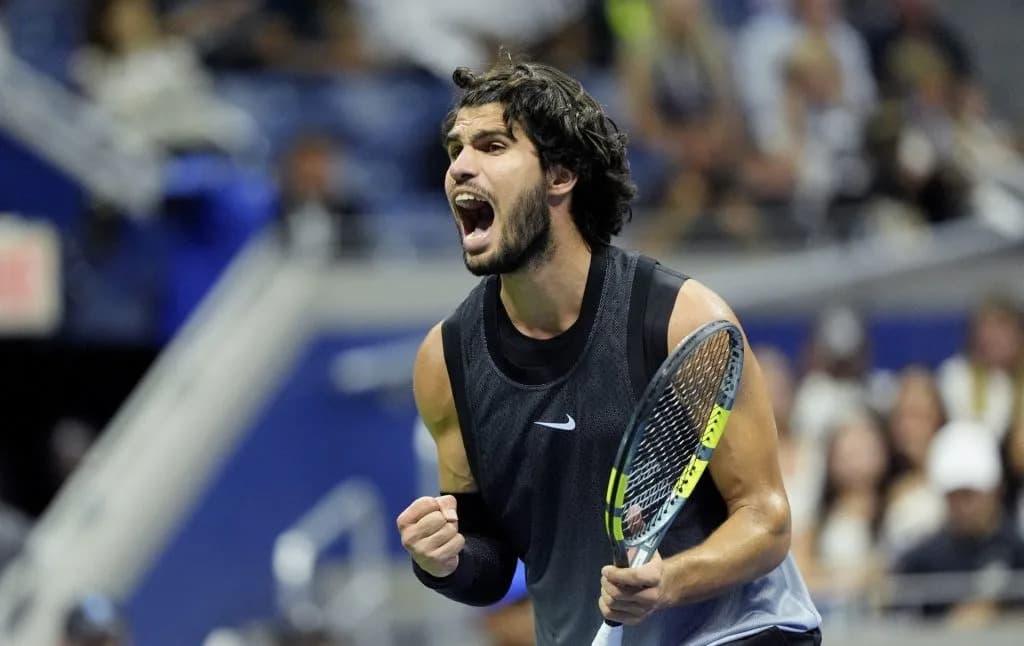
Not just someone who dictates his own side’s rhythm. Someone who drags the opponent down with him, suffocating their best ideas. That is exactly what Rodri showed on the biggest stage, during the World Cup — a midfielder who doesn’t just play in the game, he rewrites it.
Symbolism and urgency
There is also symbolism wrapped around this move. Rodri is not just a top-level midfielder; he is one of the leading figures of a Spain side crowned world champions. That badge changes everything. It inflates market value, supercharges a player’s image, and sends a message to the dressing room and to Europe: this is the calibre of player Real Madrid still expects to land.
Inside the club, his age never triggered a serious argument. This is not a long-term project signing, not a gamble on what a player might become in four years. The priority is immediate impact. The club wants someone who arrives on day one and raises the standard of every training session, every build-up pattern, every big night under the lights.
The concern sits elsewhere. The price.
The cost of control
The market has shifted into a different universe. Young, elite-level talent now moves for extraordinary sums, and clubs have learned how to weaponise that reality. Leipzig did it with Diomande, forcing through the highest possible fixed fee before allowing him to leave. No discounts, no soft landings, just hard numbers.
Real Madrid know Rodri sits in that same economic bracket. World champion, pivotal role, prime years. Every attribute that makes him perfect for the project also drives his valuation into dangerous territory.
Yet the technical staff keep pushing. They see a team in flux, a squad being reshaped line by line, outgoing players still to be sold before the final picture becomes clear. They see a coach whose football has always started from the back, whose greatest strength lies in building play from deep and controlling the tempo from there.
For that idea to survive this revolution, one signing matters more than the rest.
If Real Madrid truly want a new era built on authority and control, the question is no longer whether Rodri fits. It is whether they are willing to pay the price that modern football now demands for a player like him.