The Rise of Player Loyalty in Football
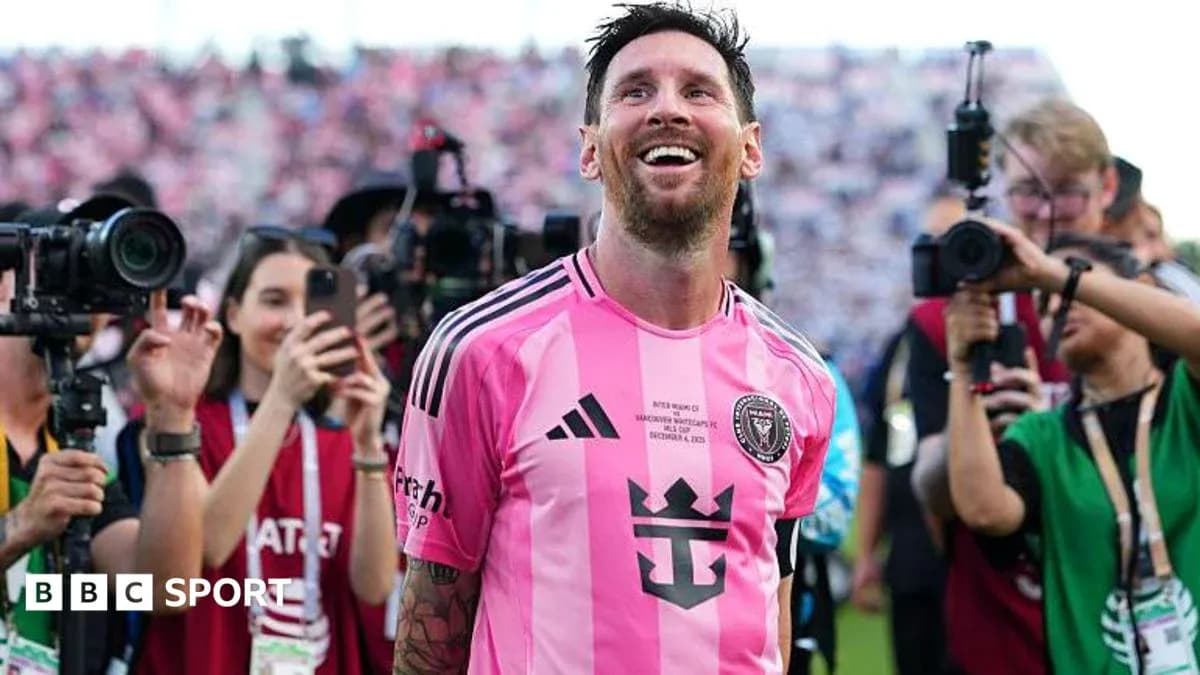
The golden ticket arrived dipped in flamingo pink. Loud, unapologetic, impossible to ignore. A colour made for bedroom walls in Buenos Aires, Barcelona and beyond, and for every billboard with a spare inch of space.
Lionel Messi to Inter Miami was never just a transfer. It was a marketing supernova. Social media numbers exploded. Shirts vanished from club shops. Tickets were flipped for absurd prices.
Yet the surge wasn’t really about Inter Miami at all.
"People are walking around cities and towns in the UK and Europe wearing that flamingo pink of Inter Miami with zero affiliation to Miami, having never been there," says sports brand strategist James Kirkham. "It's quite a normal thing now. But it is the player who has done the job."
Fans weren’t buying into a club. They were buying into Messi.
And they’re doing the same with his old rival in that sharp, unmistakable yellow of Al-Nassr. Messi or Cristiano Ronaldo. Barcelona or Real Madrid. MLS or Saudi Pro League. The arguments have roared for years, from kids in parks with jumpers for goalposts to online obsessives firing memes and stat sheets at each other.
But this isn’t just about two men any more.
From badge to back of the shirt
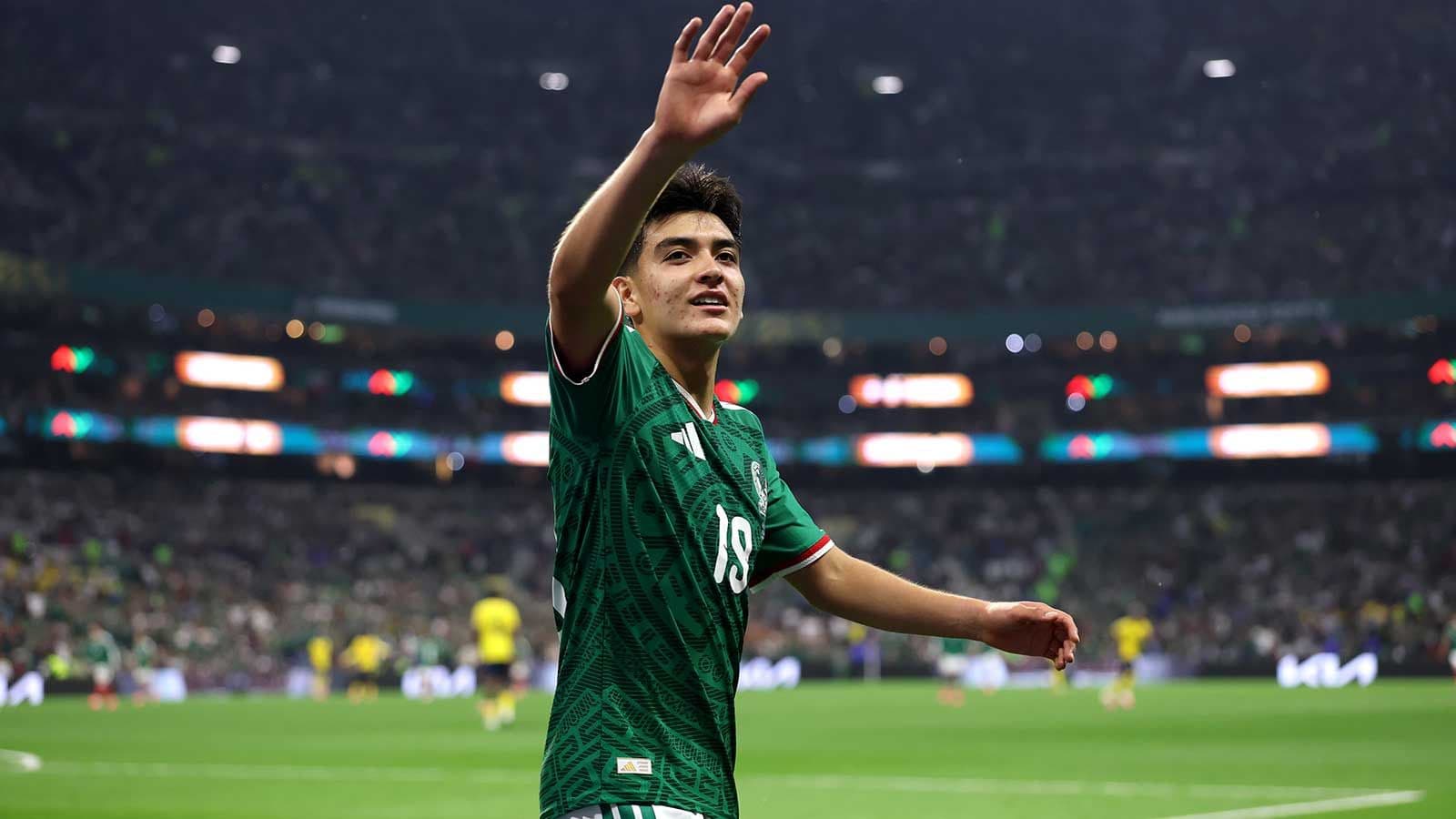
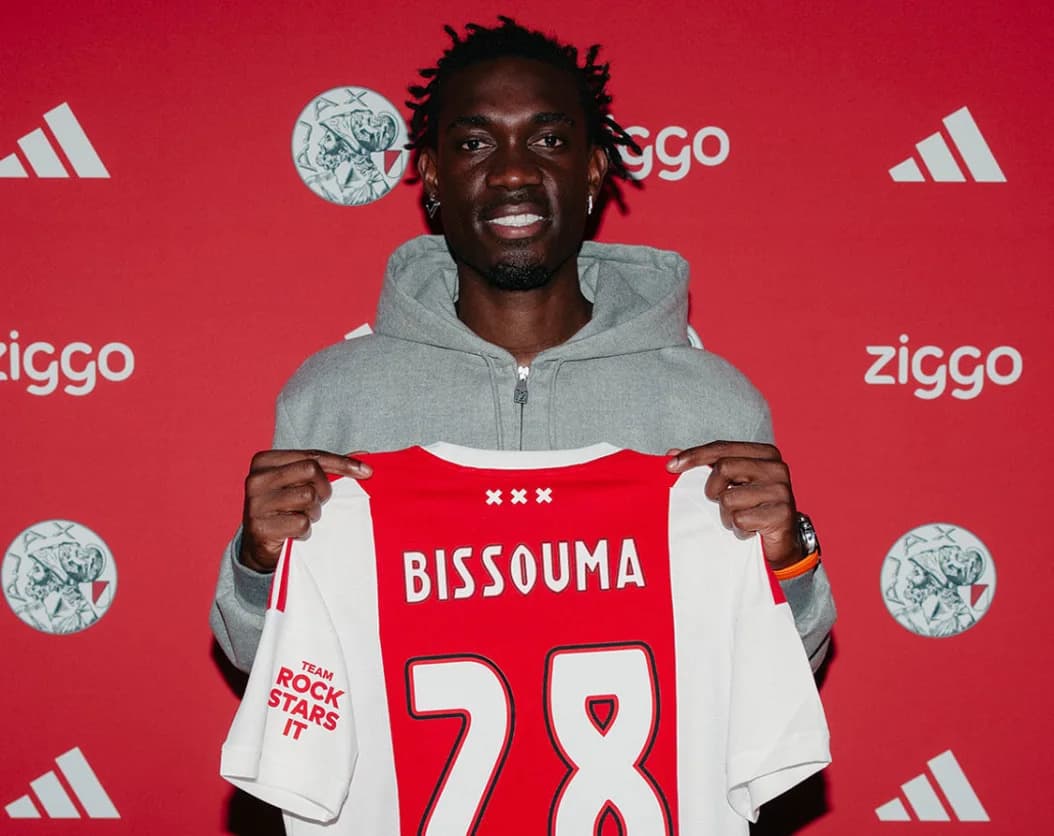
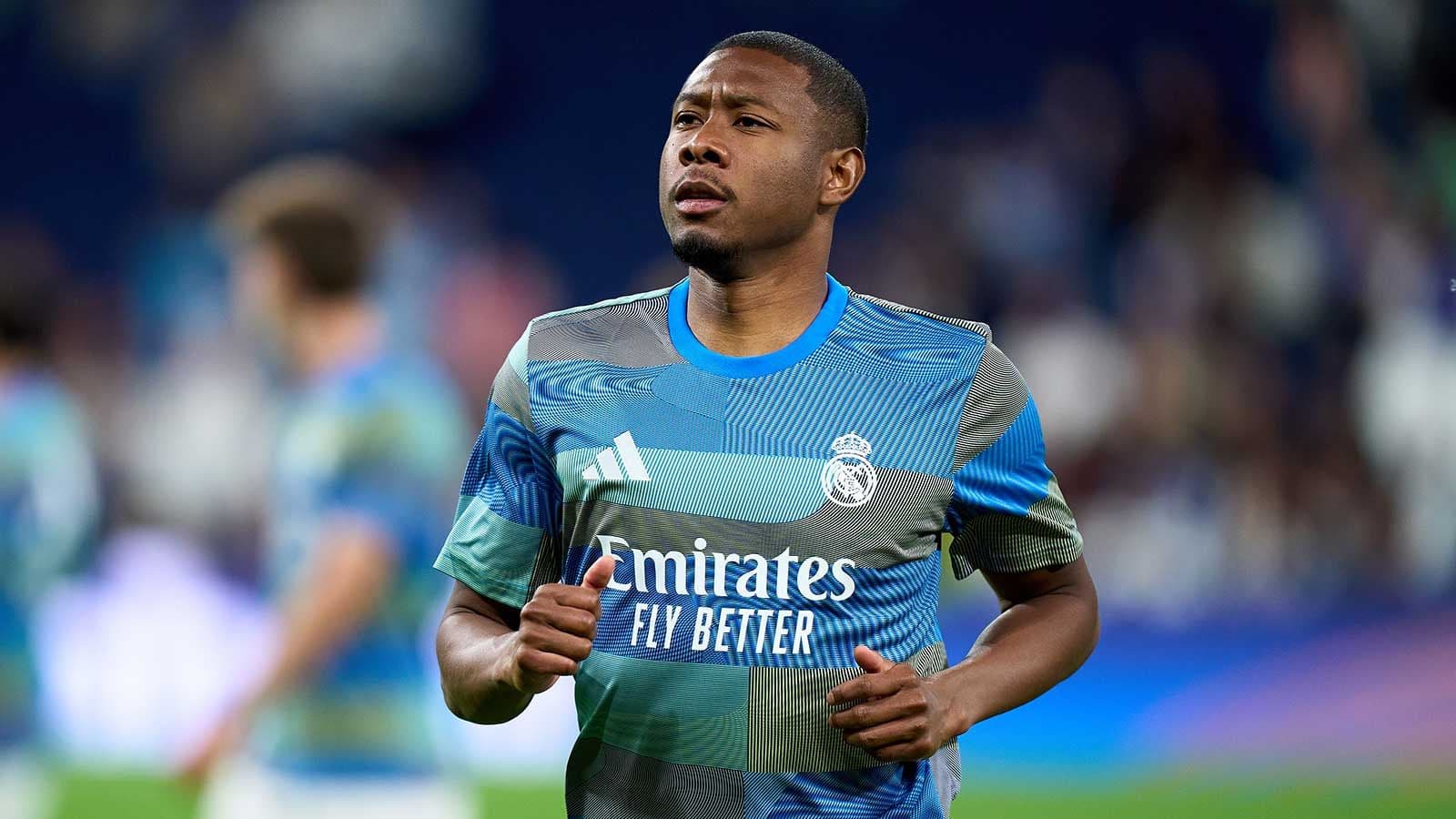
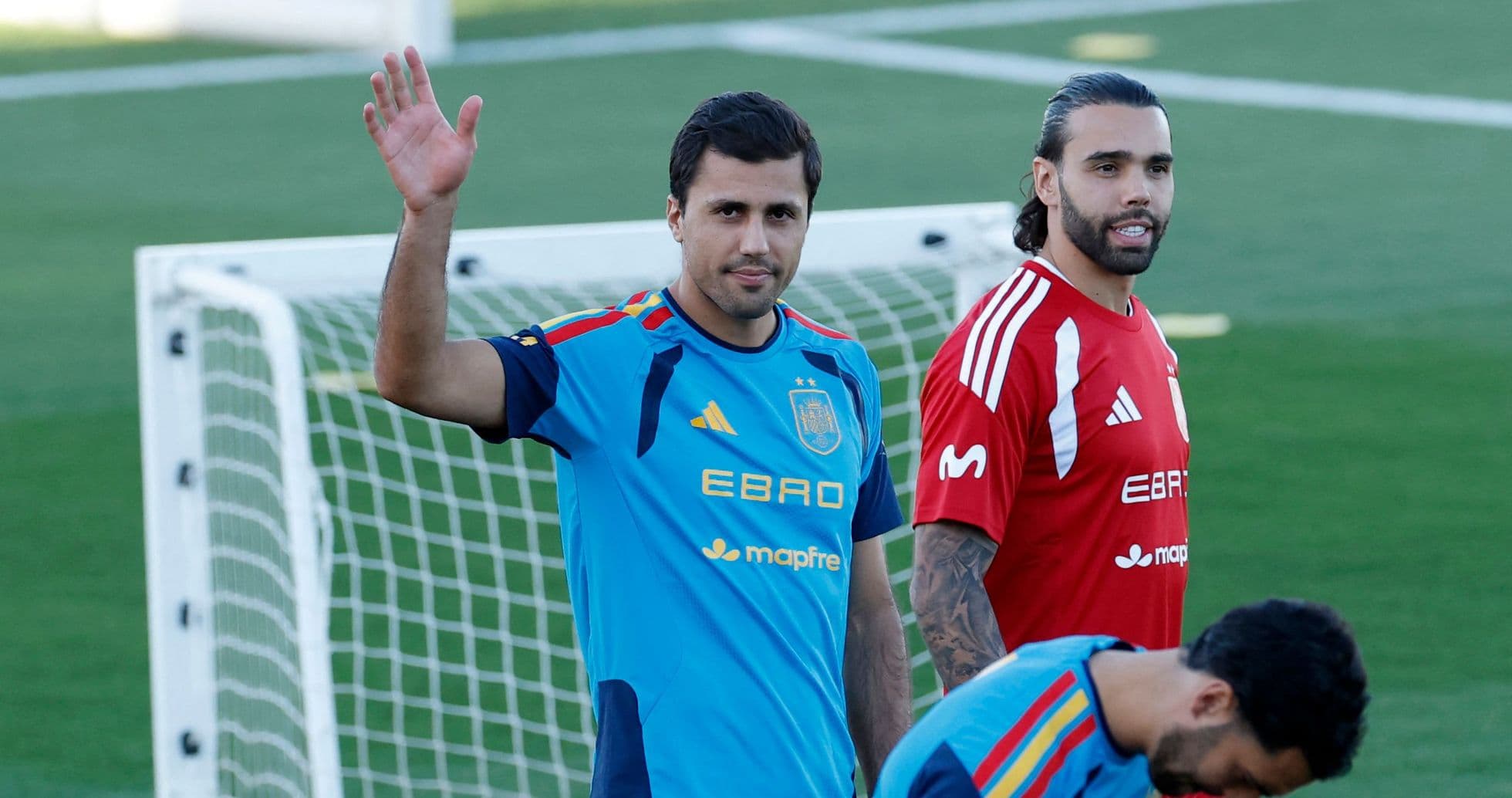
The modern fan often starts with a name, not a crest.
"It's been happening for a while, ever since the sheer impact and influence of gaming, particularly on young fans," says Kirkham, who remembers an early wave of Zlatan Ibrahimovic devotees.
Younger supporters, he argues, are "less rigid or tribal than they used to be" and possess a "more encyclopaedic knowledge" of the sport, built on hours spent on EA Sports FC, Football Manager, YouTube compilations and trading cards. They roam across leagues and continents, following players rather than institutions.
"Fans play as these players in games," Kirkham says. "So there is a really thin line between virtual and real life.
"Following a player and buying them as part of your Ultimate Team and then wearing that player's name on the back of your shirt, be that Atletico Madrid or Chelsea or Dortmund, kind of makes no difference."
The old Eric Cantona line said you can change almost anything in life, but never your football team. For many, that still holds. Your first club is an emotional inheritance: a postcode, a parent, a family ritual.
But it no longer has to be the only love.
The rise of the “second club”
A study titled 'The Rise of the Second Club Fan', published before this summer’s World Cup, found that 80% of global supporters now also follow a second team.
Matthew Kyle, head of insights at Engage and MTM and the report’s author, stresses this isn’t about fans walking away from the club they grew up with. It’s about adding more.
"They are often looking for 'who else can I support?' It's more natural," Kyle says.
This is especially common in countries where the domestic league lacks global pull. Geography is no longer a barrier. A fan might pick a second club because of its story, its culture, its values – or simply because they like the kit.
Yet one factor dwarfs the rest. Players.
The study found the most powerful gateway to a second club is a single footballer. When that player moves, many of those fans move with them.
"For this audience, they are the club," the report notes. "These fans track individuals, not institutions."
Griezmann’s gamble, Haaland’s era
Football’s relationship with personal brands has shifted at speed.
Back in 2018, Antoine Griezmann tried to seize control of his own story. Days before France launched their World Cup-winning run, he teased 'The Decision' – a half-hour documentary on Spanish TV that would reveal whether he was leaving Atletico Madrid for Barcelona.
Gerard Pique, whose company produced the show, lobbed a popcorn emoji onto social media. Barca were confident. So were most viewers.
Instead, the programme ended with Griezmann standing outside the Metropolitano, announcing he was staying put. Two endings had reportedly been filmed to protect the secret. The Frenchman, a self-confessed NBA addict, had borrowed the concept from LeBron James’ 2010 special of the same name, when the basketball star joined Miami Heat.
Griezmann wanted to own his narrative. Instead, he and Pique took flak.
Kyle believes that attempt at "self-commercialisation" landed in the wrong era.
If it were Erling Haaland or Kylian Mbappe fronting that kind of show now, the reaction might be very different.
Today, leading players run their own channels and push out their own stories. Haaland, Ronaldo, Jude Bellingham, Ella Toone – their YouTube feeds and social accounts offer regular slices of their lives.
"Players are becoming their own distribution levers, with some in particular taking a driving seat in terms of 'how I project myself onto the world' and building their own channels and audience," says Kyle.
They don’t just feature in campaigns. They shape them.
More than endorsers
The modern star is expected to stand for something.
"Players are far more culturally symbolic than they used to be," says Kirkham. "It is not that players don't do endorsements now, but they know they have to resonate with fans, so fans can really latch on to them and get behind them.
"Look at what Marcus Rashford did during Covid in terms of changing actual legislation.
"Young fans want to know players stand for something more - that gives them more chance to follow and pursue them, find a deeper connection with them.
"They look for stuff that is aligned to them, who they are, their causes and where they're from. I think we will increasingly see that."
With the World Cup shining a spotlight on North America this summer, it doubled as a launch pad for personal brands.
Some stories came from nowhere. Cape Verde goalkeeper Vozinha, almost anonymous to many before the tournament, became a cult figure with his display against Spain. His Instagram following rocketed from around 50,000 to nearly 30 million.
The established names cashed in too. Spain and Barcelona prodigy Lamine Yamal surged in popularity. Bellingham’s numbers swelled. Even Ronaldo, already the most-followed athlete on Instagram, found room for another bump.
But one player stood out.
Haaland, memes and a cowboy hat
Norway forward Haaland saw his popularity explode as fans poured onto his Instagram, TikTok and Snapchat accounts.
His formula blended elite performance with something disarmingly ordinary. A cowboy hat here, a helping hand for Norway’s kit man there. He posts often, replies to fans, and lives at the centre of endless viral clips: the affectionate back-and-forth with former team-mate Bellingham, the Russian model whose resemblance to him set social media alight, the shared celebrations.
"Haaland was a massive winner from the World Cup," says Kyle. "He gained more than 51 million followers since 1 July on his social accounts - bear in mind the first six months of this year he only gained 11 million.
"Obviously he had a good World Cup. But a massive part of it was the personality coming across, interacting with fans, memes, his stature and what he looks like, Norway being there [in the last eight] for the first time and the fans' rowing celebration - all that kind of stuff."
For clubs, that surge poses a sharp question.
When the hero moves on
Some teams are living that reality right now.
Trabzonspor are riding a wave after signing Egypt star Mohamed Salah, fresh from nine glorious years at Liverpool. Tottenham Hotspur enjoyed a similar effect over the past decade with Son Heung-min, who turned Spurs into South Korea’s most-followed foreign club, overtaking Manchester United. Then Son left for LAFC last summer.
"Son is a great example," says Kyle. "He wasn't a global superstar when he arrived but he was a huge player from South Korea, and over the course of his time with them Spurs became the most-supported foreign club there, topping Manchester United.
"Now, when Son left, Spurs didn't immediately lose millions of followers on their socials from Korea. But we did see a small spike on his new club."
The trick is to hold on to as many of those new eyes as possible.
Kyle believes that comes down to what clubs serve up.
"The easy answer is to say global superstars will do it on their own and these clubs without them will struggle," he says. "But every club has characters.
"Every player leaves eventually, even if they leave by retiring at your club. So it's about using them as an asset while there and thinking about how all fans are also interested in stuff off the pitch.
"Behind the scenes content always does really well. Even if you're not a fan of that club, you might stop scrolling and watch 'a day in the life' of a player because it might be good content."
Think of the impact of Welcome to Wrexham. A non-league club turned global talking point through access, storytelling – and two famous faces.
From superstar to super-owner?
Which raises a new possibility: fans following owners the way they follow players.
"Ryan Reynolds and Rob Mac would have been a huge draw for people who don't know football," says Kyle. "On the counter, there will be people in the football community saying 'this will be interesting because what the hell do they know?'.
"You've got the benefit of football being like soap opera - seasons of television, seasons of football, different stories. And football never ends."
The shirts might change colour. The crest on the chest might be different. But in this era of pink Messis, yellow Ronaldos and cowboy-hat Haalands, one thing is clear: for millions of fans, the real loyalty now travels with the name on the back.