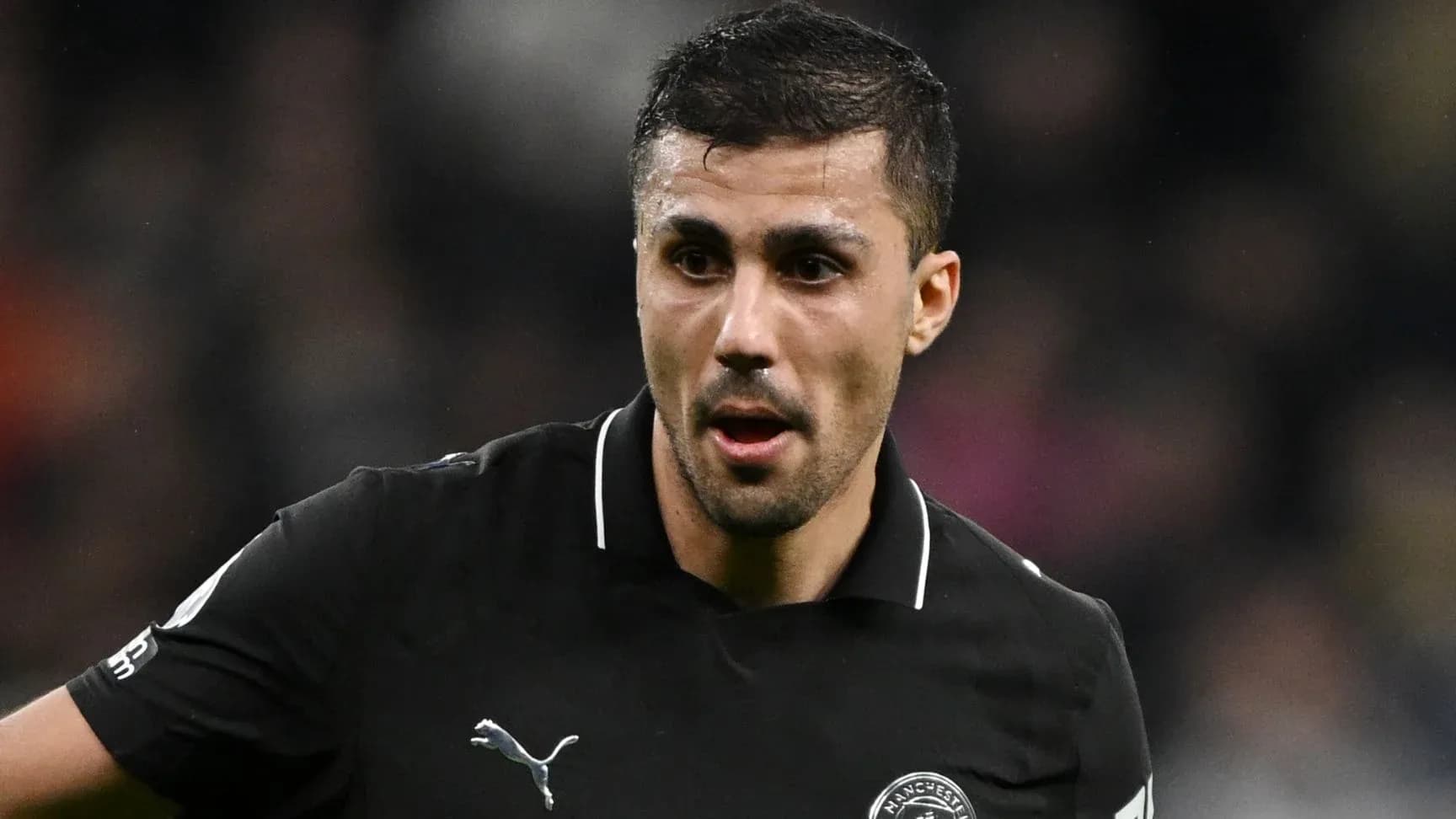
Rodri's Transfer Decision: From Real Madrid to Barcelona
Rodri’s great ‘what if’ with Real Madrid has finally met its answer – and it lies in Barcelona.
According to Marca, the Spanish midfielder once waited until the very last moment at Atlético Madrid, hoping Real Madrid would come calling before he chose Manchester City. The call never came. With Toni Kroos, Luka Modric and Casemiro in their prime, Madrid saw no need to move. Rodri triggered his release clause and walked into Pep Guardiola’s project instead.
That decision changed everything. Under Guardiola, Rodri evolved from promising pivot to the game’s benchmark holding midfielder. The man who once waited for Madrid became the man Madrid now chased.
This summer, the Bernabéu wanted him. The stands did, at least. Inside the offices at Valdebebas, the view was cooler.
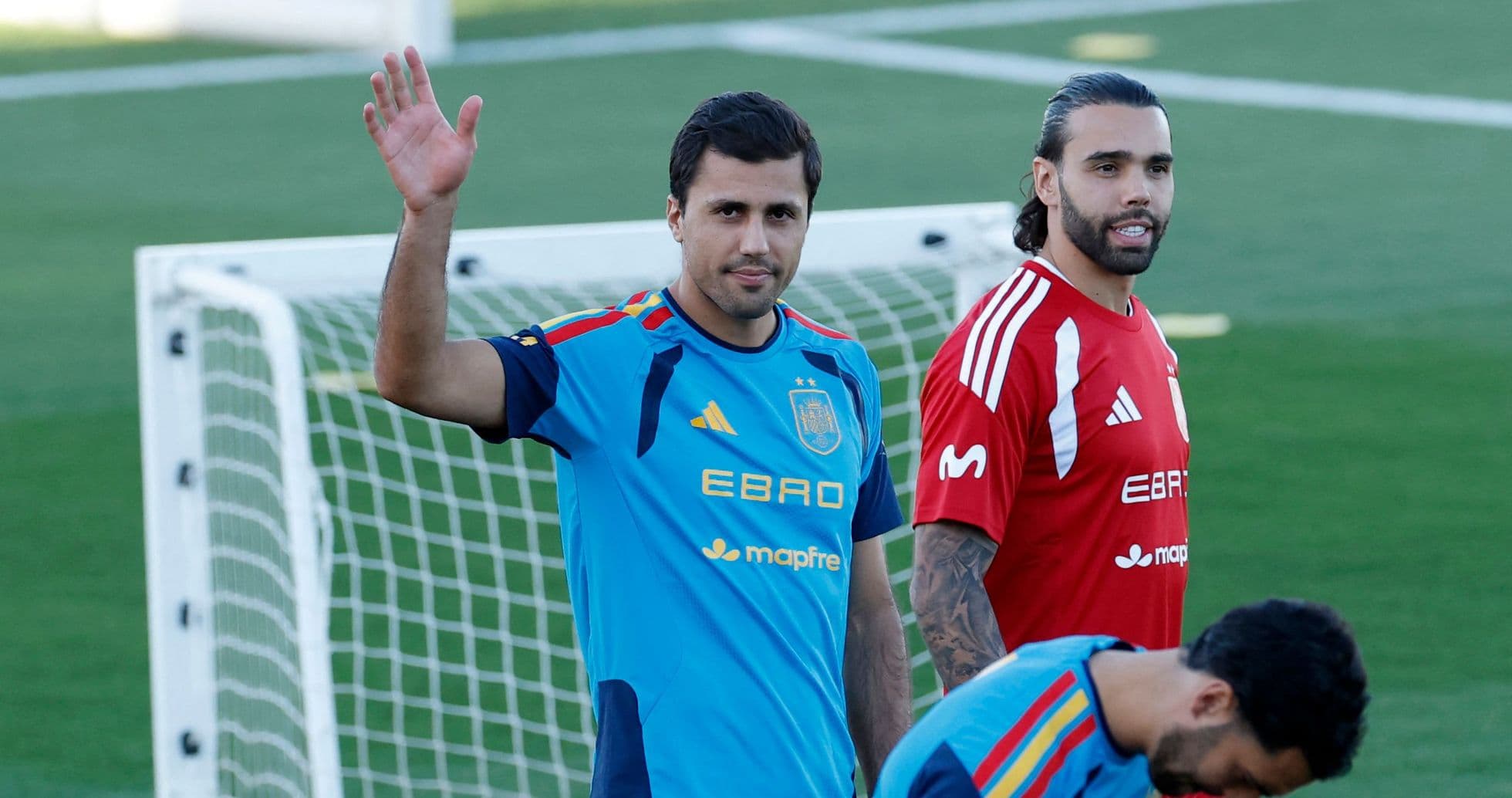
Marca report that Real Madrid’s hierarchy were not fully convinced when Rodri first appeared on the market. Then came his World Cup. He left the tournament with a record: no player had ever completed more passes in a single edition, and he did it with a success rate above 93%. Spain’s metronome, dictating every tempo.
That changed the conversation in Madrid. With Rodri entering the final year of his deal and Guardiola gone from Manchester City, the transfer suddenly looked possible. A rare opening at the very top of the market.
But the move came late. And, crucially, without full belief. Rodri sensed it.
Inside Valdebebas, one line kept surfacing, according to Marca. A phrase repeated by club officials and ultimately used as a verdict on the operation: “Rodri slows the pace of the ball down too much, and that is not what we are looking for.”
For a player who had just dominated a World Cup, it was a brutal assessment. Madrid wanted something else. A more explosive, more vertical profile in midfield. More power, more dynamism, even if the numbers screamed that Rodri controlled games like few others on the planet.
Florentino Pérez and José Ángel Sánchez did pick up the phone. There was contact, conversations, respect. But it never developed into the kind of full-throttle pursuit that usually defines Real Madrid’s big signings. No grand offensive, no all-or-nothing push.
Barcelona went the other way. They went all in.
Deco led the charge. President Joan Laporta joined in. Coach Hansi Flick called. So did several Barça players. The message was clear: they didn’t just want Rodri, they considered him central to their future.
Marca underline that money did not decide this battle. The offers from Real Madrid and Barcelona were very similar. This was not a case of one club outbidding the other.
Rodri chose the project.
Barcelona’s pitch mirrored what he lives with Spain: a team built around possession, a clear idea, a stable structure. A midfield where his profile is not just welcomed but essential. At 30, he saw a footballing environment that matched his strengths and his view of the game.
Real Madrid’s proposal felt different. According to the report, Rodri saw a project still in a phase of instability, with moving pieces and fewer guarantees over style and structure. For a player at his age and status, that uncertainty weighed heavily.
Once he made up his mind, Rodri closed one door with elegance. Marca reveal that he personally called José Ángel Sánchez to thank the Real Madrid board for their respect during talks. No drama, no public statements. Just a private goodbye to an option he had once waited for in silence at Atlético.
Then he waited again – this time for Barcelona.
Manchester City did not fold at the first knock. It took five separate approaches before the English club finally accepted to let him go. Only then did Rodri’s long, winding road past Real Madrid end in Catalonia, with a decision that says as much about Barcelona’s conviction as it does about Madrid’s doubts.