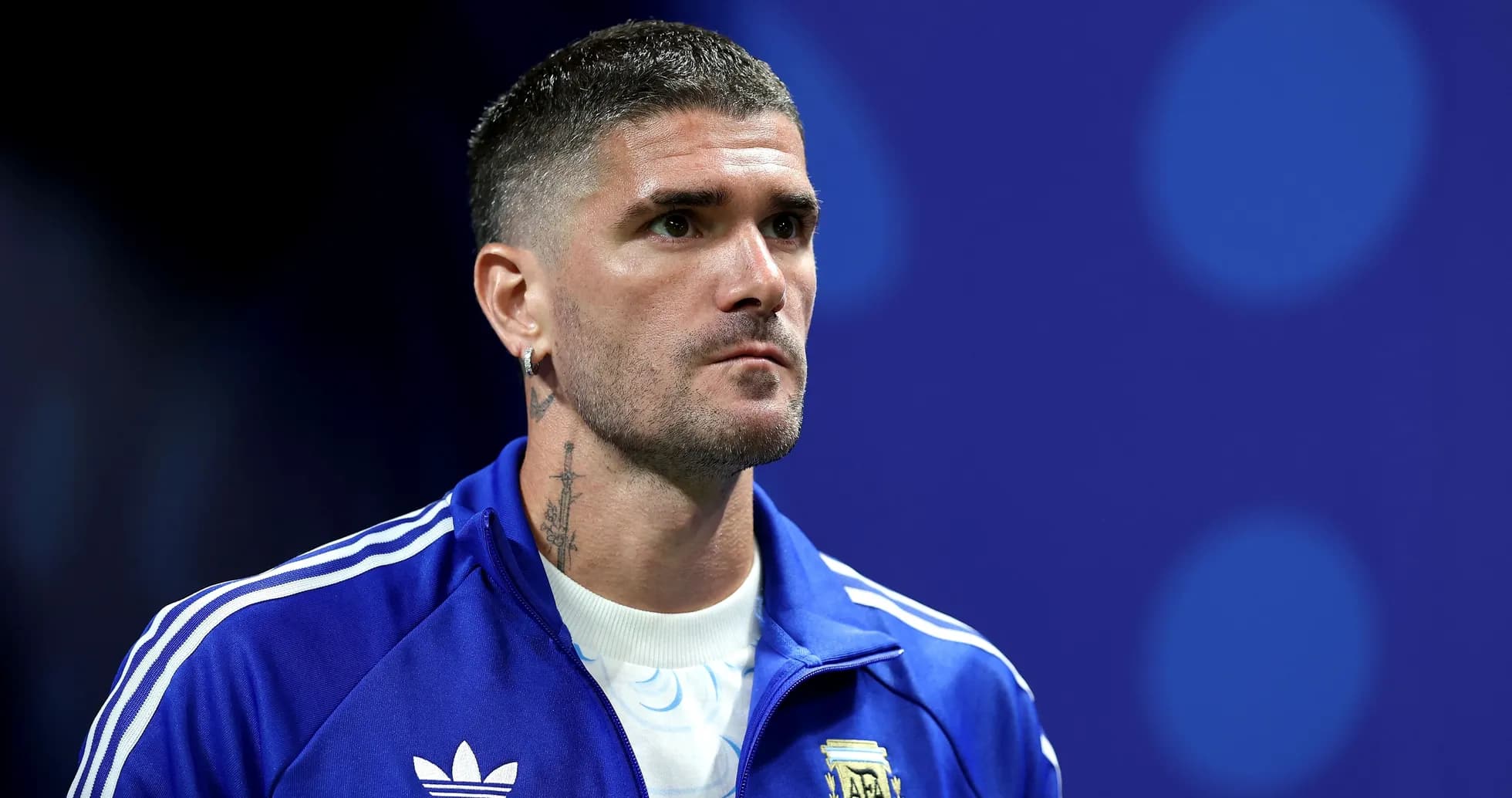
Rodrigo De Paul Defends Argentina's Identity After World Cup Defeat
Rodrigo De Paul has never been one to hide. Not on the pitch, not in front of a microphone, and certainly not on social media.
Days after Argentina’s bid for back-to-back World Cup titles ended in a 1-0 extra-time defeat to Spain at MetLife Stadium, the midfielder has stepped forward as the loudest voice in the Albiceleste dressing room, launching a fierce defence of his team and its identity.
A champion’s fall, and the noise that followed
Argentina came within touching distance of history. Lionel Scaloni’s side were 30 minutes away from becoming the first nation in 64 years to successfully defend the World Cup, only to be undone in extra time in a tense, bad-tempered final.
The loss hurt. The reaction stung even more.
The days since have been dominated not just by tactical autopsies or missed chances, but by accusations. Gamesmanship. Ill-discipline. A team that “went too far” on the edge. Every card, every confrontation, every delay has been replayed and relitigated.
That is the backdrop De Paul chose to walk into when he opened Instagram and started typing.
De Paul bites back
He didn’t name names. He didn’t need to.
In a lengthy message, De Paul accused rival supporters of waiting for Argentina to fall, claiming they had spent the tournament pushing “baseless conspiracy theories” in an attempt to dull their own frustration at watching the world champions enjoy another deep run.
He painted a picture of a team that knew it was being watched, judged, and, in some corners, resented.
“Today, I look at how many people were waiting for this fall,” he wrote, describing how, throughout the World Cup, critics had tried to poke holes in Argentina’s success and undermine their journey. Their joy, he suggested, had become intolerable to others. “Our smiles bother them, because our ways get under their skin.”
The message was not an apology. It was a line in the sand.
Pain, pride and a bond beyond trophies
Strip away the anger and there was something more vulnerable underneath.
De Paul admitted the defeat to Spain cut deep. Not only because a second straight World Cup slipped away in extra time, but because he felt Argentina had failed to deliver what their supporters deserved.
“The biggest pain is that we couldn't bring the World Cup to our country again,” he wrote, addressing the fans directly. For him, the real wound lay in the empty space where another homecoming should have been.
Yet as the hours passed, he said, a different feeling began to take hold. Messages, images and stories from home reminded him that the connection between this team and its people had grown into something that could survive even the harshest result.
He spoke of an “identification” that goes beyond silverware – a bond between squad and stands that he is clinging to as he tries to process the defeat. In his words, that emotional tie is what will help him “transition into this moment.”
Argentina against the world – again
This is familiar territory for Argentina. A team that feeds off friction, that turns slights – real or perceived – into fuel. From the outside, it looks like confrontation. From the inside, it feels like protection.
De Paul’s post fits squarely into that culture. He is not only defending a group of players; he is defending a way of being. The intensity, the edge, the celebrations that spill over, the snarling competitiveness that infuriates opponents and electrifies their own fans.
To critics, it is too much. To De Paul, it is non-negotiable.
The World Cup is gone. The arguments are not. And as long as Argentina keep walking this line between brilliance and provocation, one question will hang over them: will the fire that powers this team continue to carry them, or one day finally consume them?