South Africa’s World Cup Preparation Stumbles Against Nicaragua
South Africa wanted rhythm. They got a warning.
On a cool afternoon at Orlando Amstel Arena, Bafana Bafana dominated the ball, racked up chances, and still walked away with a 0-0 draw that felt far worse than the scoreline. Against a Nicaragua side that will watch the 2026 World Cup from home, South Africa’s lack of cutting edge turned a simple dress rehearsal into a nagging concern.
All the ball, none of the bite
From the opening whistle, the script looked familiar. South Africa pushed high, Nicaragua dropped deep, and the game settled into one-way traffic.
Within five minutes, Ricardo Goss and his back four were camped in the Nicaraguan half, with Thabang Matuludi and Samukele Kabini pushing on from full-back. The midfield pair of Sphephelo Sithole and Thalente Mbatha controlled the tempo, while captain Themba Zwane drifted between the lines, probing for gaps.
The early chances came from the right. On 16 minutes, Sebelebele burned his marker and whipped in a teasing cross that Zwane somehow failed to steer on target. It set the tone: good approach play, poor finishing.
Nicaragua’s response was sporadic. Jonathan Moncada and Raheem Cole tried their luck from distance, both efforts sailing high and wide. When they did venture forward, it was usually from set pieces, with a Moncada header drifting off target from a free-kick midway through the half. They were hanging on, but not hanging by a thread.
South Africa, though, kept wasting the moments that mattered. A promising free-kick in the 34th minute was ballooned into the stands. Another dangerous break saw Sebelebele slip in behind, only for Nicaragua’s scrambling defense to recover at the last second.
The pattern was clear: South Africa stronger, faster, more physical. But blunt.
The penalty that summed it up
Then came the flashpoint.
Three minutes before the break, Sebelebele tumbled in the box under minimal contact. The referee pointed to the spot, sparking furious protests from Nicaragua, who felt justice had gone missing.
Seconds later, it returned.
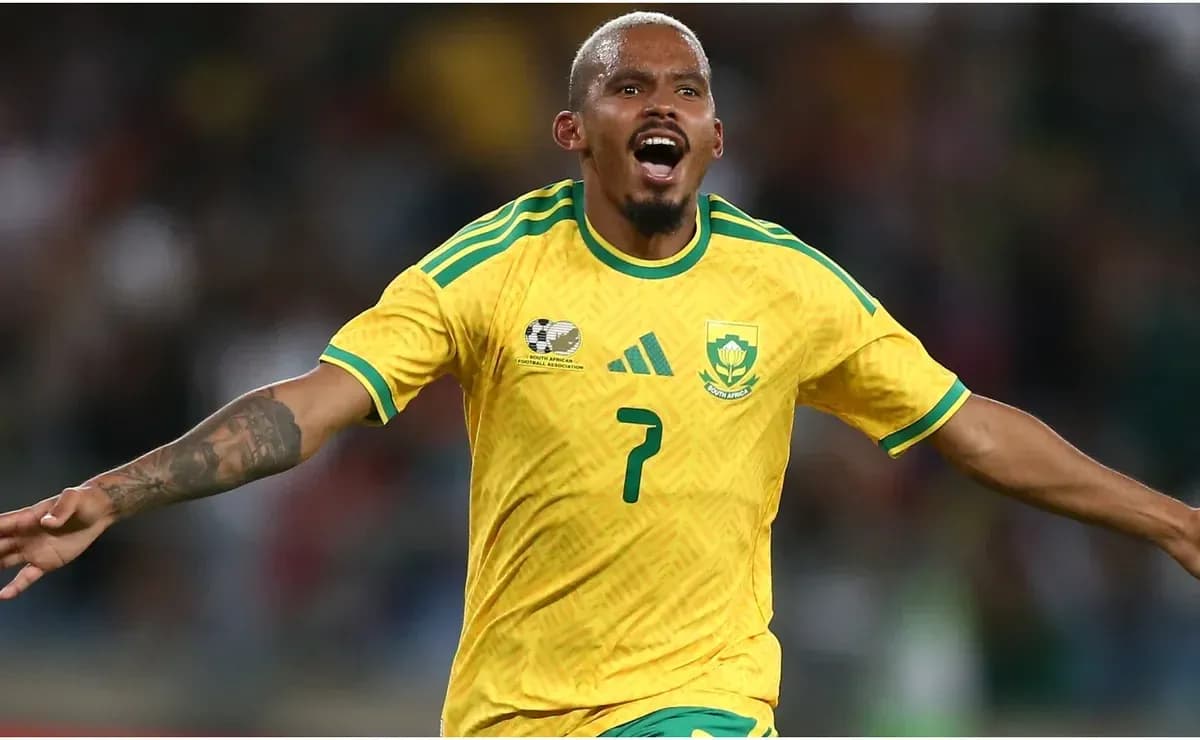
Lyle Foster stepped up, stuttered in his run, and slammed his penalty against the post. The ball cannoned away, the chance gone, the Nicaraguan bench roaring as if they had scored themselves. It was the clearest opportunity of the half, and it went begging.
South Africa trudged to the dressing room with bitter expressions and nothing to show for their superiority but frustration.
Pineda takes over
The second half belonged to one man.
Nicaragua changed pieces at the break, bringing on Oliver Bello and Jefferson Rivera, but it was the player who stayed on who defined the game: goalkeeper Adonis Pineda.
South Africa also rolled the dice. Coach turned to his bench, swapping Goss for Sipho Chaine and flooding the pitch with fresh attackers: Oswin Appollis, Thapelo Maseko, Iqraam Rayners, and Relebohile Mofokeng all entered. The idea was obvious—raise the tempo, raise the threat.
Appollis did exactly that. Within minutes of coming on, the Orlando Pirates winger injected life into the right flank, driving at defenders with pure dribbling and raw pace. Twice in quick succession, he carved out chances, and twice Pineda read them, gathering calmly.
The pressure kept building. A deflected South African shot looped awkwardly towards goal, nearly wrong-footing Pineda, who adjusted in time to claw it down. Maseko then cut inside and let fly from the edge of the box; again, Pineda’s gloves were in the way.
The game’s decisive sequence came in the 81st minute. A header took a wicked deflection, forcing Pineda into a reflex stop. The rebound fell kindly for South Africa, only for the Nicaraguan keeper to spring up and block the follow-up. Two saves in seconds. A huge statement from a goalkeeper having the game of his life.
By then, South Africa’s dominance had turned into something else: anxiety.
Chances wasted, questions raised
The closing stages were a blur of half-chances and heavy touches. Mofokeng skied one effort, then dragged another low and wide. Appollis continued to torment Nicaragua’s left side, but his final balls found no finishers.
Nicaragua, for their part, offered almost nothing going forward. Their offensive output barely registered. Yet their defensive discipline, and Pineda’s command of his area, delivered them a result that will echo back home. For a nation that usually gets brushed aside on the international stage, a goalless draw away to a World Cup-bound side is no small achievement.
For South Africa, it felt like a defeat.
They had the better roster. They had the territory. They had the penalty. They had wave after wave of attacks, especially from the right flank and later through their substitutes. What they did not have was composure in front of goal.
In a few days, Bafana Bafana will walk into Group A of the 2026 World Cup, staring down Mexico, Czechia, and South Korea. Those opponents will not be as forgiving. They will not allow this many chances. They will punish waste.
This friendly was supposed to sharpen the tools and lift the mood. Instead, it left a blunt edge and a nagging question: when the World Cup lights come on, who is going to put the ball in the net for South Africa?