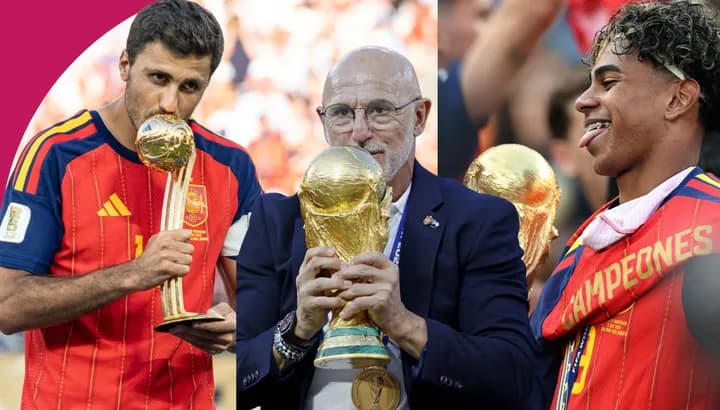
How Spain’s Tactical Approach Secured Their Second World Cup Title in 2026
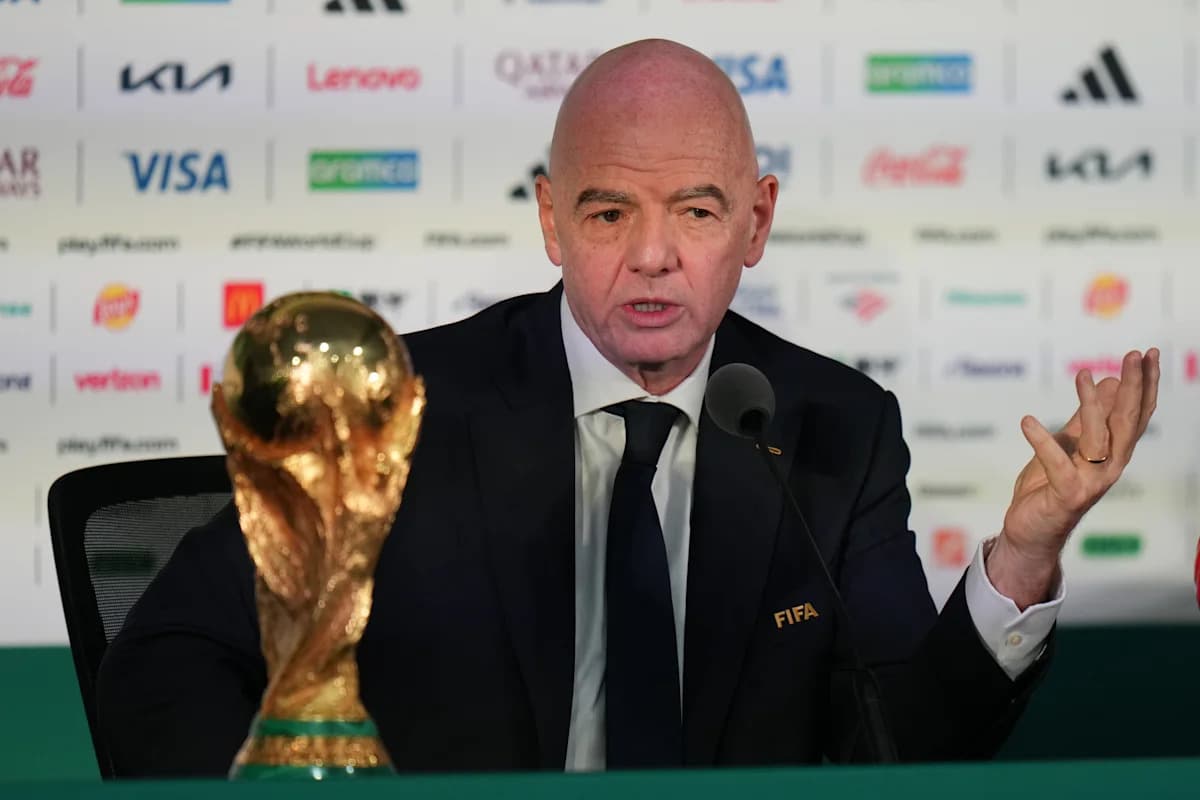
Spain claimed their second men's FIFA World Cup by defeating Argentina 1-0 in extra time at the New York New Jersey Stadium. Ferran Torres scored the winning goal in the 106th minute, capping off a tournament where Spain never lost a match. This victory came 16 years after their first World Cup win in 2010 and showcased a blend of technical skill and tactical flexibility crafted under coach Luis de la Fuente.
Steady Progress Through the Tournament
Starting as one of the favorites in the expanded 48-team event, Spain didn’t rush through their matches but built momentum gradually. In the group stage, they topped Group H without defeat, securing results of 0-0 against Cabo Verde, 4-0 versus Saudi Arabia, and 1-0 over Uruguay.
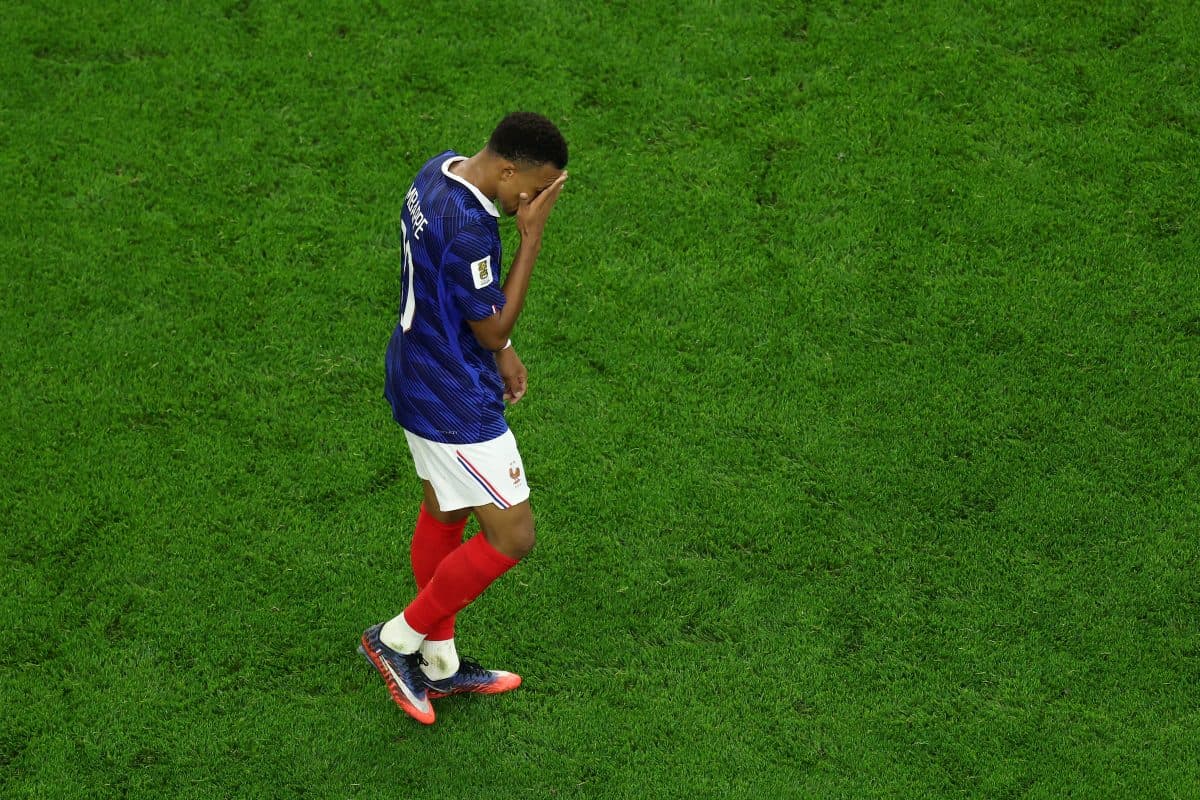
The knockout rounds were marked by solid performances: a 3-0 win against Austria in the Round of 32, a tight 1-0 victory over Portugal, a 2-1 success against Belgium in the quarter-finals, followed by a 2-0 win against France in the semis. The final was a disciplined display that ended with an extra-time goal against Argentina.
Defensive Strength as a Foundation
Although Spain’s attack drew attention, their defense truly defined the championship run. Across eight games, they conceded just one goal and recorded seven clean sheets. Rather than retreating deeply, Spain used possession to disrupt opponents’ play. Their midfield, led by Rodri, controlled matches by limiting chances and pressing immediately when possession was lost.
Pau Cubarsi emerged as a composed presence in defense despite his youth, complementing a back line that stayed tightly organized. Goalkeeper Unai Simon played confidently, making crucial saves when needed.
Purposeful Possession Play
Spain maintained control through possession but did not rely on endless passing. Their strategy focused on dictating tempo, forcing opponents out of shape, and exploiting the spaces created. In the final against Argentina, Spain held about 65% of the ball, completed more passes, and took more shots on target, stifling Argentina’s rhythm for long stretches.
Possession worked defensively too, as sustained ball control minimized opportunities for counterattacks.
The Influence of Coach Luis de la Fuente
Luis de la Fuente shaped this team differently from past Spanish sides. He kept the technical foundation while adding quicker transitions and more direct attacking options. His faith in young talent helped build a squad with energy and adaptability, contributing to prior successes in the European Championship and UEFA Nations League before reaching the World Cup pinnacle.
Rising Stars and Experienced Leaders
The team featured promising young players like Lamine Yamal, whose speed and creativity unsettled defenses. Midfielders Pedri and Gavi brought intelligence and technique, while Alex Baena provided pace on the wings. Defensively, Pau Cubarsi stood out as a breakout performer, showcasing Spain’s focus on developing technically and tactically sharp players.
Rodri quietly dominated midfield with his positional sense, ball recovery, and ability to link defense and attack. His consistent influence earned him the Golden Ball as the tournament's best player.
Adapting Tactics for Each Challenge
Spain faced different tests in every knockout round. Against Portugal, patience was key; Belgium forced careful transition management; France challenged defensive organization; and Argentina demanded strict discipline. Spain adapted well each time, controlling possession and minimizing chances until Torres’ decisive goal in extra time secured the trophy.
Key Statistics From the Tournament
- Matches unbeaten: 8 (7 wins, 1 draw)
- Goals scored: 14
- Goals conceded: 1
- Clean sheets: 7
- Highest expected goals (xG) total in tournament
- Among strongest defensive teams in expected goals against (xGA)
A New Chapter in Spain’s Football Story
Comparisons with the 2010 champions are inevitable. Both teams emphasized technical skill and teamwork, but the 2026 side added more tactical flexibility, defensive strength, and attacking variety. This balance allowed Spain not just to win, but to control the entire tournament.