Spurs Survive While West Ham Faces Relegation: A Season of Reckoning
Tottenham stayed up. West Ham went down. The emotions at either end of north London could not be more different, yet both clubs emerge from this season with scars that run far deeper than a single afternoon.
At the Tottenham Hotspur Stadium, survival felt less like celebration and more like the last gasp of a club that had been flirting with disaster for far too long. Everton were beaten, the mathematics finally fell Spurs’ way, and a fanbase that had spent months staring into the abyss could at last exhale. Relief, not joy, washed around the stands.
For West Ham, the damage had been done long before the final whistle of the final day. Their win was meaningless. Relegation had been years in the making, a slow unravelling accelerated by this campaign’s chaos and missteps.
West Ham: a fall built from the top down
Ask West Ham supporters where it went wrong and many of them start in the same place: the boardroom. David Sullivan’s stewardship has always courted controversy, but this time the bill came due. Money has been spent, plenty of it, yet the recruitment strategy has veered from short-term gamble to muddled long-term thinking with no clear identity. The result is a squad that cost a fortune but never looked like a coherent Premier League side.
The stadium move still hangs over everything. The London Stadium was supposed to be the financial game-changer, the platform for regular European football. Instead, it has too often felt like a cavernous, ill-fitting arena where atmosphere leaks away into the gaps between tiers. When the team struggles, the mood turns quickly. Booing the players off at half-time on the final day summed up the toxic drift: a fanbase that can be fiercely loyal, but one that has grown impatient and unforgiving.
On the pitch, the season split into chapters of regret. Under Graham Potter, West Ham started abysmally. They defended set-pieces like a team waiting to be punished, conceded from corner after corner, and persisted with selections that baffled supporters. The tone was set long before the winter chill had settled.
Nuno Espírito Santo arrived in September and, eventually, he did what he so often does: imposed structure, organisation, and a measure of resilience. From mid-January, West Ham’s form resembled that of a mid-table side rather than a relegation candidate. The problem was the hole they had already dug. When you are seven points from safety, “pretty good” is rarely enough.
The Lucas Paqueta saga became its own symbol of the season. A player of immense talent, weighed down by an FA investigation and a visible drop in application. Once he departed, performances sharpened, spirits lifted, and the dressing room seemed lighter. Too late, again.
And hovering over it all, the sense of being overtaken. Leeds and Sunderland, newly promoted and utterly unfazed by the division, tore into the campaign with ambition and fearlessness. While established mid-table clubs like West Ham coasted between 12th and 17th, the newcomers refused to play their assigned roles. The Premier League does not wait for anyone.
Relegation, then, is both an ending and an opportunity. If it drags Sullivan out of the club in the same way Karren Brady has departed, many West Ham fans will see that as a painful but necessary reset. Trips to Lincoln and Millwall, 46 games instead of 38, and the grind of the Championship await. For some, that sounds strangely appealing: proper away days, packed grounds, and the faintly romantic notion of a club rediscovering itself far from the Premier League glare.
Spurs: survival, shame and a black plaque
Across London, Spurs avoided that fate by the narrowest of margins. They did not so much finish the season as stagger across the line. Two points from the last 12 available when fifth place was still in reach told its own story of a squad that ran out of conviction and, at times, courage.
Yet they are still a Premier League club. That matters. Relegation for a club of Spurs’ financial structure and squad profile would have been catastrophic. There is no guarantee they would have bounced straight back. The relief among supporters is raw and unapologetic.
Roberto De Zerbi has become the unlikely architect of a “Great Escape” that few saw coming when he walked into a dressing room riddled with injuries and drained of belief. He inherited a team spiralling towards the trapdoor, stripped of key players and mocked from all angles. Pundits lined up to predict the drop, rival fans revelled in the prospect, and every defeat seemed to confirm the narrative.
De Zerbi refused to accept it. He tweaked, cajoled, and built a platform from the players still standing. Xavi Simons, Bergvall, Micky van de Ven, Pedro Porro, Tel – younger, more energetic figures – stepped forward as the season wore on. James Maddison’s return offered flashes of the creativity Spurs had been missing. One win changed the mood, then another, and suddenly survival was not a fantasy but a target.
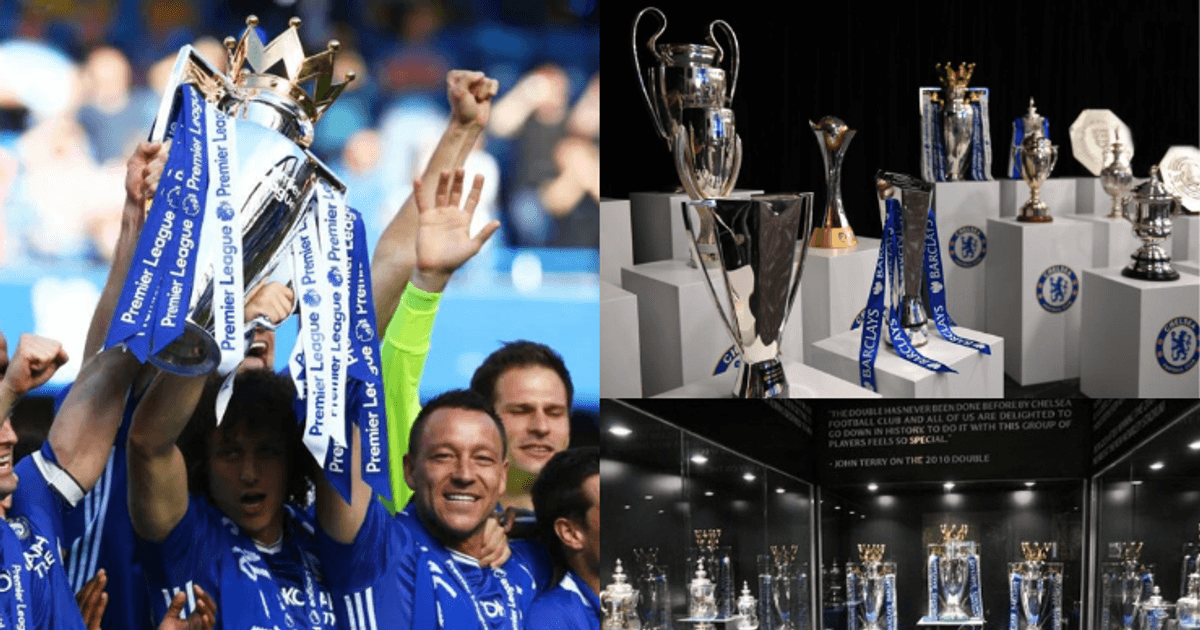
The job is not done just because the season is over. It starts now. The squad needs surgery: the weak-minded and the technically short must be moved on, the core rebuilt around those who thrived under pressure rather than shrank from it. De Zerbi has laid foundations, but this campaign should hang over the club like Andrea Pirlo’s imagined black plaque in the AC Milan trophy room – a permanent reminder of a near-disaster that must never be repeated.
Spurs’ relationship with ridicule will not vanish overnight. The jokes about their empty trophy room, the sniping about their failure to capitalise on chances, the barbs from pundits who were desperate to see them fall – all of that will roll on. The difference now is that they have a chance to respond from a position of safety.
They stay up. They stay in the conversation. They stay relevant.
An old order broken
Beyond the drama of survival and relegation, this season quietly ended a quirk of English football history. Since the first Football League campaign, the top flight had always contained at least one club beginning with the letter W. With West Ham and Wolves both heading to the Championship, and Ipswich, Coventry and Hull coming up, a 130-year streak dies.
It is a footnote, but an evocative one. The landscape shifts. Old certainties fall away.
The Premier League will move on without West Ham for now. Spurs will cling to their place and try to prove they deserve it. One club heads for Lincoln and Millwall, the other prepares for another year under the unforgiving lights of the top tier.
Both know this: next season cannot look like this one. One more collapse, one more sleepwalk, and relief may not be enough to save them.