Thierno Barry: From Drought to Match-Winner for Everton
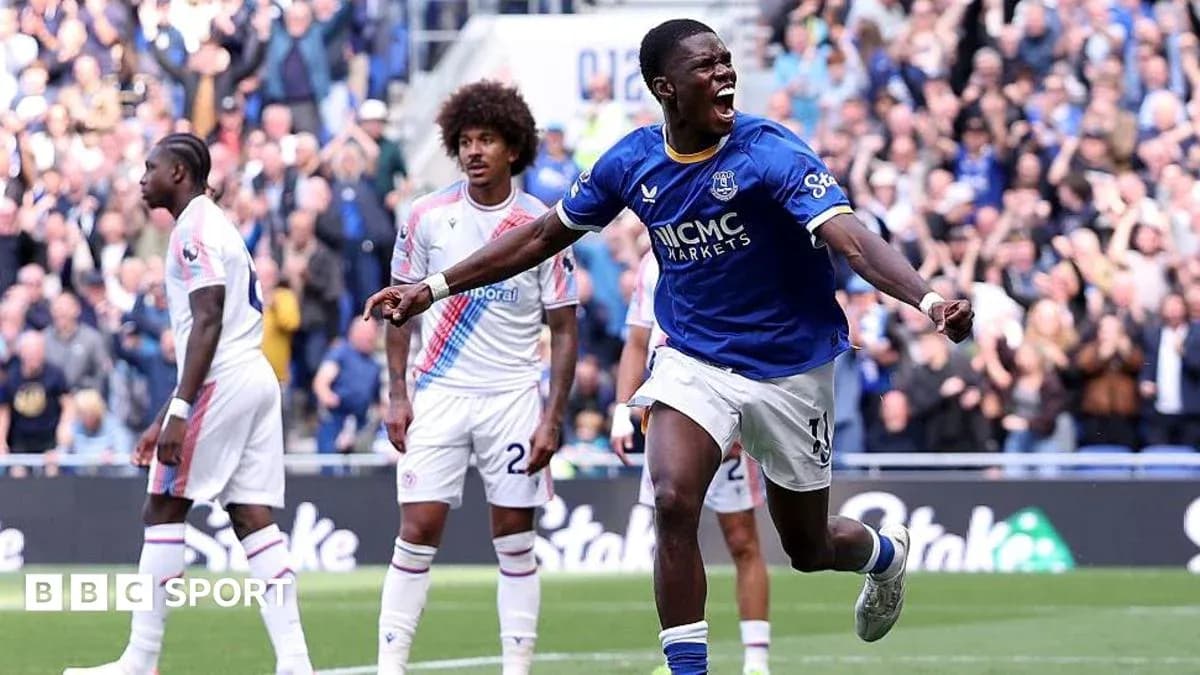
Thierno Barry walked slowly, deliberately, towards the touchline. Less than 15 minutes remained at Hill Dickinson Stadium, Everton were on the brink of opening their Premier League campaign with a win over Crystal Palace, and the stadium announcer had just confirmed the change: the match-winner off, Beto on.
The noise rose with him. Barry, 23 years old and still new enough to English football to feel every cheer, took it all in. Arms aloft, a small smile, a look that mixed relief with something more powerful: belonging.
This was not how the story felt a few months ago.
From drought to deliverer
Early in the second half, with Palace threatening to creep back into the contest, Iliman Ndiaye drifted wide and finally found the angle he wanted. One swing of the right boot, a teasing cross, and Barry attacked it. He met it cleanly, guiding his header beyond the goalkeeper to double Everton’s lead and all but kill the game.
He wheeled away grinning, swallowed by the roar from the Gwladys Street end. A simple header, but a huge moment.
Last season, those chances seemed to weigh him down. Signed from Villarreal for £27m after an 11-goal La Liga campaign, Barry arrived as part of a new Everton project, a club trying to drag itself away from the chaos of recent years. A revolving door of managers, constant relegation scraps, and the shadow of a points deduction for breaching the Premier League’s Profit and Sustainability Rules had left scars.
Everton wanted a striker with upside, not a finished product they could no longer afford. They knew he would need time. On paper, everyone accepted that.
In the stands, patience frayed.
By the turn of the year, Barry had just one goal in 18 Premier League appearances. Fourteen games without scoring. The murmurs grew louder, the price tag mentioned more often. For a centre-forward, numbers shout louder than context.
Then January arrived, and something shifted.
Barry’s season caught fire. The goals started to come, eight in total across 38 league games by the end of the campaign. Not spectacular, but important, and all the more impressive given the circumstances. Half of those goals came after Jack Grealish, Everton’s main creative force, suffered a season-ending injury in January.
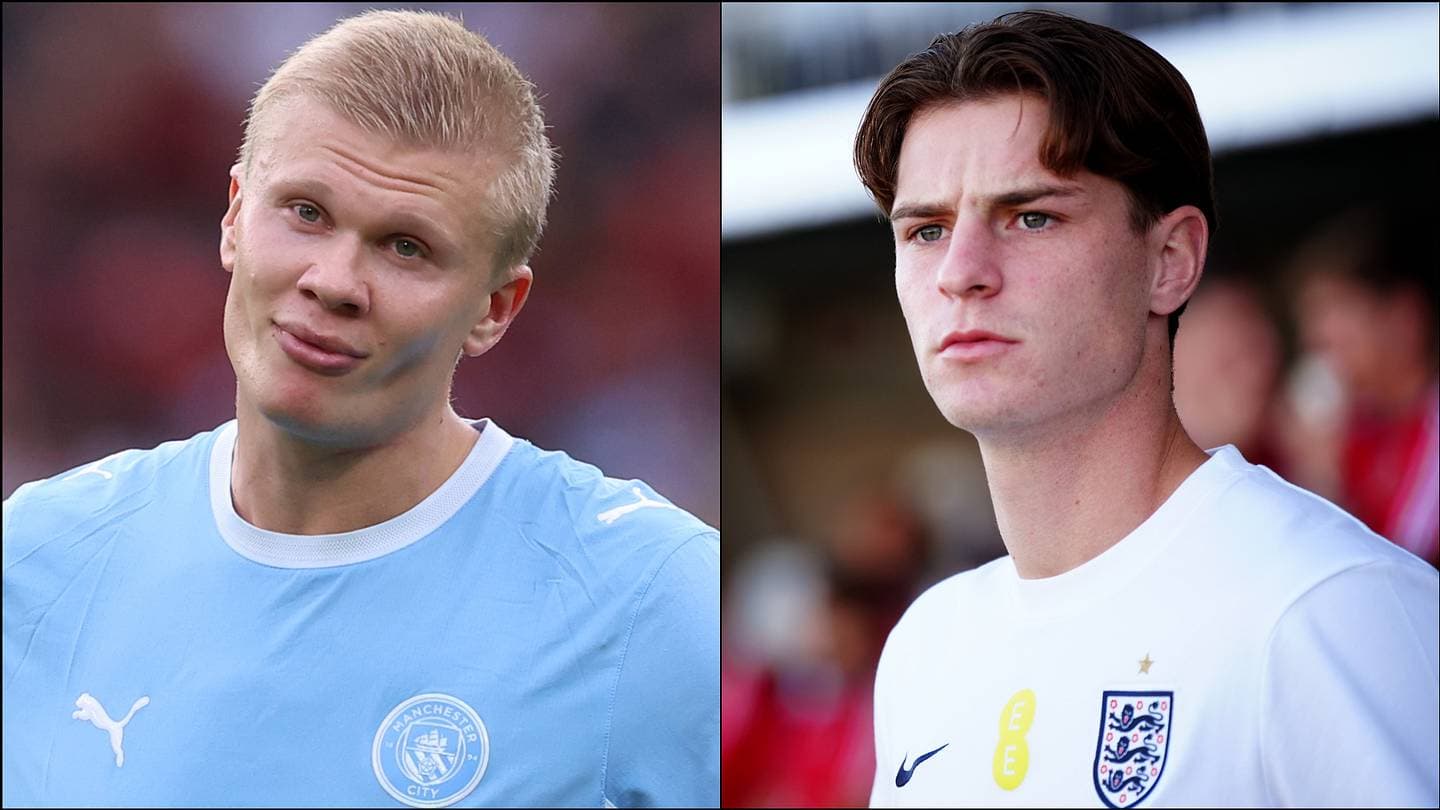
As others faded under the strain of a European push, Barry’s form climbed. His eight goals came from an xG of 8.1, and his shot conversion rate of 21.1% sat just a fraction behind Erling Haaland’s 21.4%. The numbers backed up what the eye began to see: a forward growing into the role rather than shrinking from it.
Moyes’ demands, Barry’s response
So when David Moyes faced the media beneath the stands on Saturday night, the temptation to lavish praise on his match-winner was obvious. He resisted it.
"Look, strikers will probably be judged on their goals, so he can walk away and be really happy with it," Moyes said, acknowledging the decisive moment. Then he pivoted quickly.
"I thought it would be wrong not to mention the quality of the cross from Ndiaye. Thierno getting in the right spot was huge and scoring with a header was really big for us because it was an important time in the game."
Even in the glow of victory, Moyes’ mind was on the next step. Certain parts of Barry’s display irritated him: the times he drifted unnecessarily into wide areas, the loose touches when Everton tried to spring forward, the moments he failed to hold the ball and relieve pressure.
"I need his build-up play to be better," the Scot said. "I need him to be able to retain the ball for us so we can play into him more often.
"I want him to get in the right spaces, which he did today for the cross. He had a couple where the ball got played to him and he didn't quite deal with it with his feet.
"Sometimes he is out linking up when he doesn't need to be linking up. I think there is a lot to his game."
This is familiar territory for Moyes. Two decades ago, in his first spell at Everton, he helped shape a raw Wayne Rooney into a Premier League force. Different players, different eras, same principle: talent alone is never enough.
"I said last year that when you're a young striker coming in, it's not always easy," he added. "I think he's come in with a really, really positive attitude this year.
"I think he's come back with something that has stirred him up a little bit more, as if he's got something to prove."
Everton’s new focal point?
That edge is exactly what Everton hoped they were buying. A year of adaptation – to a new league, a new country, a new level of scrutiny – has hardened Barry rather than broken him.
The context around him has changed too. This is no longer a club simply trying to stay afloat. With the points deduction absorbed, the managerial churn halted and recruitment aligned with a longer-term vision, Everton are building again. Not with lavish spending or marquee names, but with players like Barry, whose ceiling is still rising.
His journey last season mirrored the team’s. A slow, uncertain start, doubts swirling, then a late surge as the stakes increased. While some of his team-mates faded under the weight of the run-in, Barry’s influence grew.
Now, on the opening day of a new campaign, he has scored the type of goal that can define a season’s tone: a striker in the right place at the right time, doing the simple thing well when it matters most.
The Hill Dickinson crowd recognised that as he walked off to be replaced by Beto. The applause wasn’t just for the header against Palace. It was for the drought he had come through, the pressure he had absorbed, and the sense that Everton might finally have their main man up front.
Moyes will keep demanding more. Barry will need to keep answering. If he does, this early-season ovation might be only the start of the noise around his name.