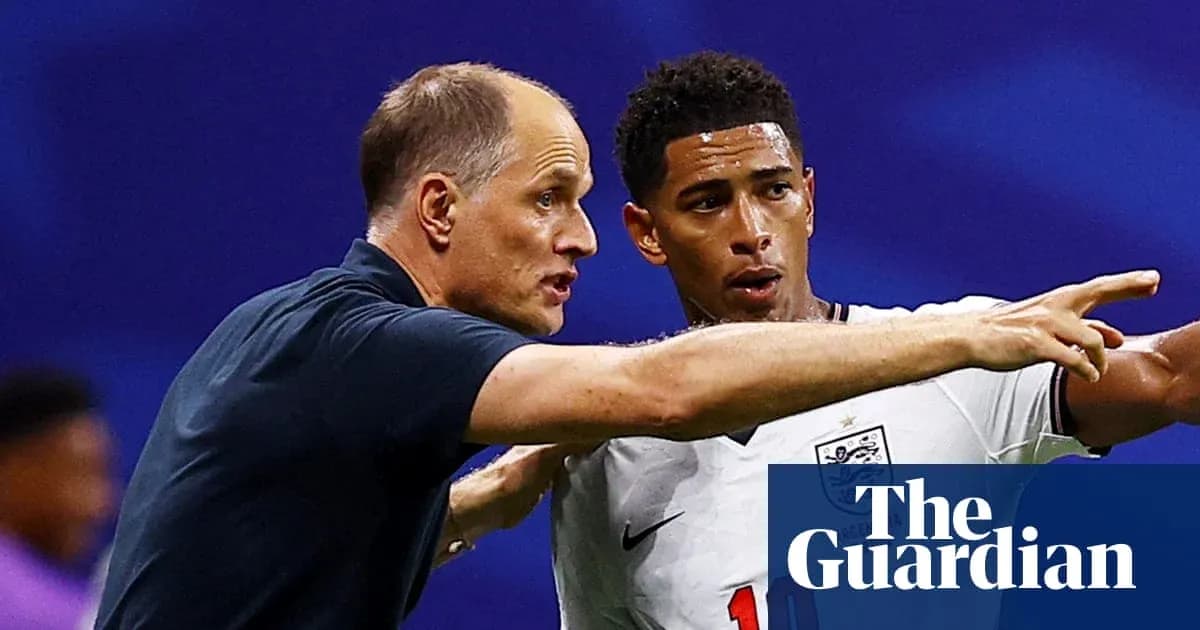
Thomas Tuchel's England: The Road to Euro 2028
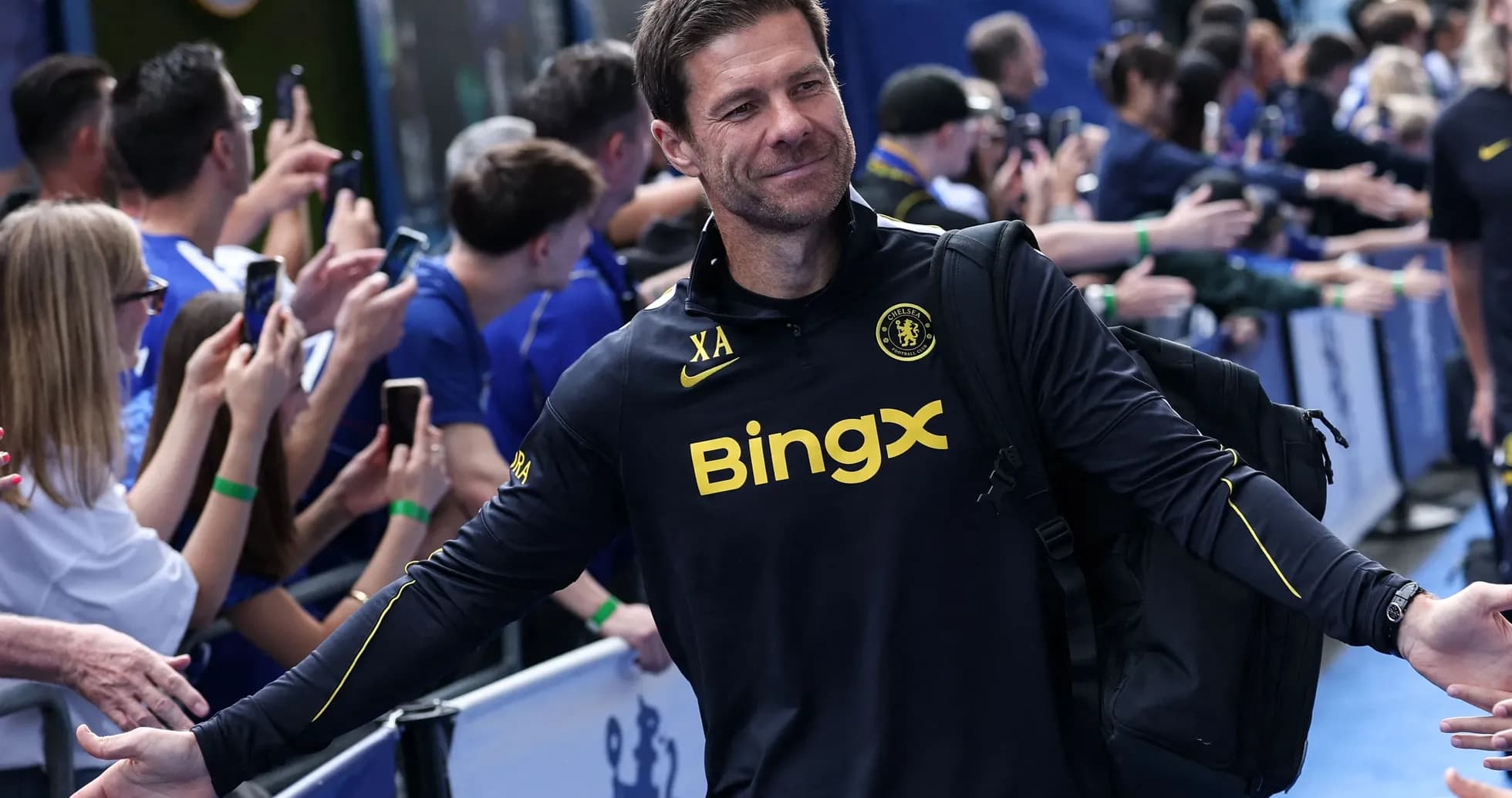
Thomas Tuchel has been a familiar face around Premier League grounds again, slipping into VIP areas, exchanging nods and handshakes. One recent conversation has stuck with those who heard it.
“People are killing me,” the England manager said.
Still.
Two months have passed since the 2-1 World Cup semi-final defeat by Argentina in the United States, yet the emotions remain raw. Heartbreak, anger, disbelief – they continue to cling to everyone who cared about this England team. It was the kind of loss that leaves a mark you don’t simply walk off.
From there, opinion splits.
One part of the fanbase cannot let it go. For them, that blown 1-0 lead with five minutes to play is unforgivable, and the blame runs straight to Tuchel. The substitutions, the retreat, the sense of inevitability as Argentina surged – they replay it all and point the finger at the manager.
Another camp sees something different. They remember that this was only the fourth World Cup semi-final in England’s history. They remember the personality of the side, the flashes of courage, the nights when it felt as if something was building. Mexico in the last 16 at the Azteca, with all the history and hostility, and England finding a way through. Norway in the quarter-finals, dragged to extra-time in Miami’s furnace and somehow still standing. The opening win over Croatia, chaotic and thrilling. Then the third-place playoff against France – a 60-year wait for a better finish finally ended.
Both readings of the same tournament, both loudly held. Nobody can measure how many sit in either camp. Tuchel, though, feels the weight of the critics more heavily. He is still bruised by the fallout, still slightly baffled that a semi-final run – something England do not achieve as a matter of routine – could be framed by some as failure so stark it demands his head.
This is the tension that now follows him into the next cycle, one that runs towards Euro 2028, when England will co-host the tournament. On Friday, he names his squad for the opening four Nations League fixtures: Spain at Wembley, Czechia home and away, Croatia in Zagreb.
He wants to look ahead. So do the Football Association. For Tuchel, the challenge is to stop letting that night against Argentina define him, however wild he believes the reaction has been, however much it has warped the view of everything England did in the United States.
The England job has long been labelled impossible. The reason sits in plain sight: the suffocating expectation, the ferocity of the inquest after any defeat, the way each backlash makes the next campaign harder. It is a loop that only ever seems to tighten. The only realistic approach is to stop trying to decode it and simply live with it.
Inside Wembley, though, Tuchel has powerful backing. The FA’s faith in him is not flimsy. The best illustration may come from a game they almost lost early in the World Cup. When England trailed the Democratic Republic of the Congo 1-0 in the last 32 with 15 minutes to go, even Tuchel wondered if this was how his tournament ended. Harry Kane’s two late goals turned it around and averted an Iceland 2016-style catastrophe. On that night alone, some at the FA would happily write “Ballon d’Or” on his captain’s CV.
What they saw across the tournament only hardened their view. They loved Tuchel’s in-game management in that Congo tie and beyond, the tweaks that swung matches back England’s way. They loved the atmosphere he created around the squad. Tuchel has spoken repeatedly about the brotherhood in his group. Those inside the camp insist it was genuine, not a PR construct. The FA has latched on to that as a cornerstone. To them, the idea that he should have resigned, or been dismissed, after reaching a semi-final is not just wrong. It is absurd.
Tuchel arrived at the World Cup talking about putting a second star on the shirt. He did not hide from the ambition. He did later soften the rhetoric slightly, but the message was clear: this was about winning it. Did that all-or-nothing stance make the fall harder when it came? Probably. But what would the reaction have been if he had walked in and said the quarter-finals would be fine, the semi-finals a bonus?
England went into the tournament as the fourth seeds. Quietly, the FA doubted whether they could realistically go beyond that ranking and lift the trophy, especially once the draw dropped. The schedule was awkward – a late start, a long gap between the first and second group games, then a crammed run-in. The travel was heavy, the heat relentless. The margins were always going to be thin.
There is far more optimism about the Euros. Home soil – or something close to it – changes the calculation. The FA pushed hard to secure hosting rights alongside Scotland, Wales and the Republic of Ireland for a reason. They see opportunity.
Yet the questions linger. Can England as a football nation move on from the Argentina defeat? Can Tuchel’s explanations for his decisions that night ever be truly accepted? The answers may shape everything that comes next.
The game itself still stings. Tuchel could not rouse anything from his players in the second half as Argentina went into full fury mode. That sits on his shoulders. England were physically shattered, having played at altitude against Mexico with 10 men and then 120 minutes against Norway in 40C heat in Miami. Legs were gone long before the decisive moments.
The team began to sink back well before the second-half hydration break. When Tuchel sent on Ezri Konsa for Anthony Gordon and shifted to a back five, England were already locked into survival mode. From that point, they barely got on the ball. Tuchel had no answer to the tide. That, too, is on him.
The decision to reinforce the defence was cold and calculated. He weighed the evidence, saw a side running on fumes, and chose what he believed was the percentage play – perhaps the least bad option. It failed. And when it failed, it looked awful. Could a more attacking change have altered the script? Nobody can say with certainty. What is clear is that by the end, England were soundly beaten.
Now comes the reset. England are back in Nations League Group A and the fixtures carry a sharper edge. Spain at Wembley next Saturday is as stern an opening test as Tuchel could ask for.
The last Nations League campaign did more damage than the FA anticipated. Dropping into Group B, facing Ireland, Finland and Greece, dulled the edge. Even then, Greece came to Wembley and won 2-1. World Cup qualification had been comfortable too. This time, the hope is that a tougher Nations League programme hardens England for Euro 2028 rather than lulling them.
Tuchel’s squad announcement will be shaped by injuries. John Stones, Dan Burn, Djed Spence and Jordan Henderson are all likely to miss out. That opens the door for defensive recalls: Tino Livramento, Levi Colwill, Jarrad Branthwaite and Lewis Hall are all pushing their cases.
Midfield throws up its own dilemmas. Does Kobbie Mainoo keep his place after a World Cup that never really caught fire for him, despite his solid form for a struggling Manchester United? Alex Scott and Myles Lewis-Skelly are hoping for another look. Higher up the pitch, Cole Palmer and Phil Foden are both in the frame for the No 10 role. Eberechi Eze and Noni Madueke have not restarted well at Arsenal, which complicates their situations. There is a growing buzz around Josh King and Ryo Ngumoha. The same goes for Dominic Calvert-Lewin and Liam Delap in the forward positions.
When Tuchel steps up on Friday to read out those names, the scrutiny will be intense. Not just on who he picks, but how he sounds. The last time he went into defensive mode, it did not end well.