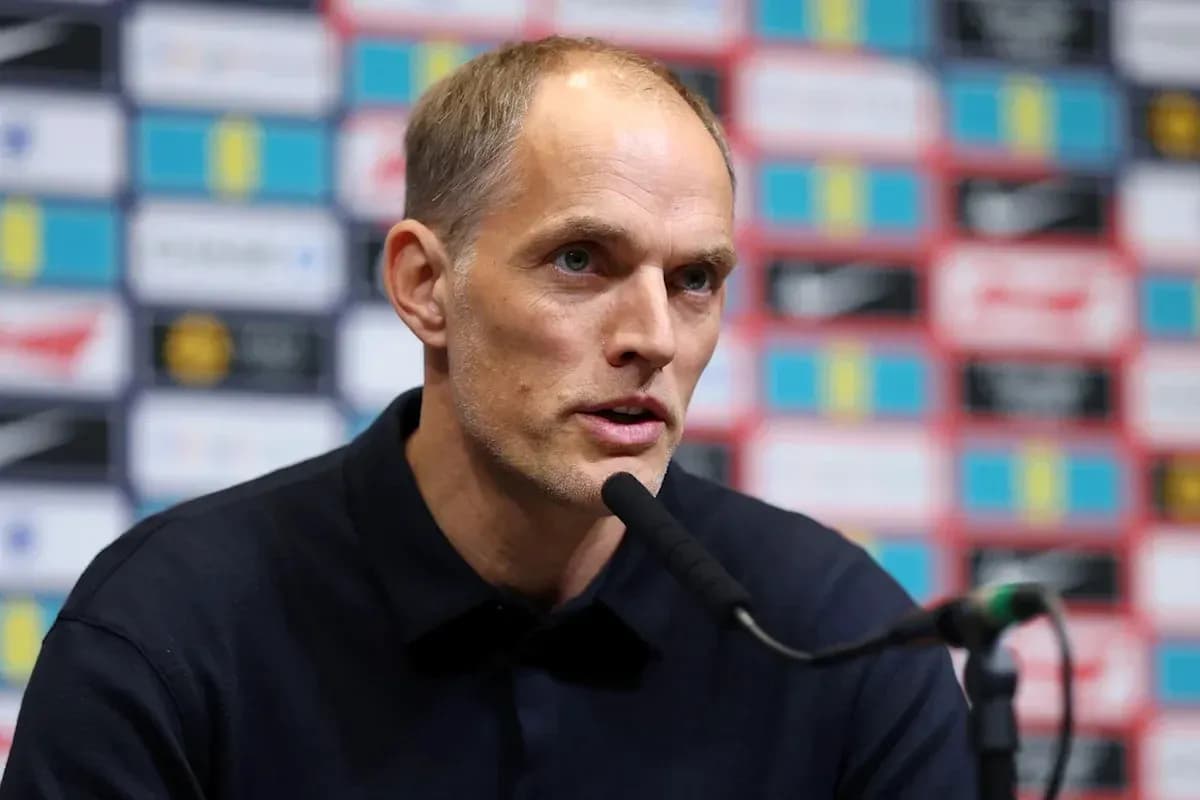
Thomas Tuchel's Bold England World Cup Squad Decisions
Thomas Tuchel’s first World Cup squad as England manager landed with a thud, not a whisper. The headline wasn’t who made it. It was who didn’t.
Phil Foden, Cole Palmer, Morgan Gibbs-White: three of the most gifted English attackers of their generation, all left at home. Around them, a cast of established names also cut adrift – Harry Maguire, Trent Alexander-Arnold, James Garner, Luke Shaw, Adam Wharton. For a country that lives off squad debates, Tuchel has just poured petrol on the fire.
England open their World Cup campaign on June 17 against Croatia, then face Ghana and Panama. On paper, it is a group that should be negotiated without panic. Tuchel has chosen this moment to be ruthless.
Big calls, big risks
Leaving out Foden and Palmer in particular will shock supporters. Both have been central figures at club level, both offer creativity in tight spaces, both look built for tournament football. Gibbs-White, meanwhile, had pushed himself into the conversation with his form and versatility.
Yet Tuchel has gone the other way. By clearing out so many expected picks, he has created room to gamble. The most eye-catching roll of the dice is Ivan Toney.
Toney has played just once for England since 2024 and now plies his trade in the Saudi Pro League with Al-Ahli. That would usually signal the end of an international career, not a route into a World Cup. Tuchel clearly sees something different: a penalty specialist, a physical presence, a centre-forward with the mentality to handle pressure when the margins tighten in knockout football.
The message is stark. Reputation alone will not carry you into this England side.
Power in the middle
If the attack and defence will dominate talk shows, the midfield looks like the area Tuchel will lean on to carry this team through the group.
Declan Rice anchors the unit, the obvious reference point and leader. Around him, the blend is intriguing rather than experimental. Elliot Anderson, Morgan Rogers and Kobbie Mainoo all arrive off strong club seasons, each bringing a different gear: Anderson’s energy, Rogers’ drive and creativity, Mainoo’s composure and maturity beyond his years.
That core gives Tuchel a platform. It also explains, in part, why he felt able to be so brutal elsewhere. With a robust, confident midfield, he can afford to shape the squad around specific ideas rather than simply accumulating big names.
There will be noise, there always is with England. Questions about leaving out a passer like Alexander-Arnold, the experience of Maguire, the left-back cover without Luke Shaw. Questions about whether a World Cup is the right stage to test the sharpness of a forward playing in Saudi Arabia.
Tuchel has answered all of them in the only way that matters to a coach: with his squad list. The rest will be decided when England walk out against Croatia on June 17. If this gamble pays off, the story of this World Cup will start with the names he chose not to call.