Tottenham's Tactical Triumph Over Crystal Palace: A 2-0 Victory
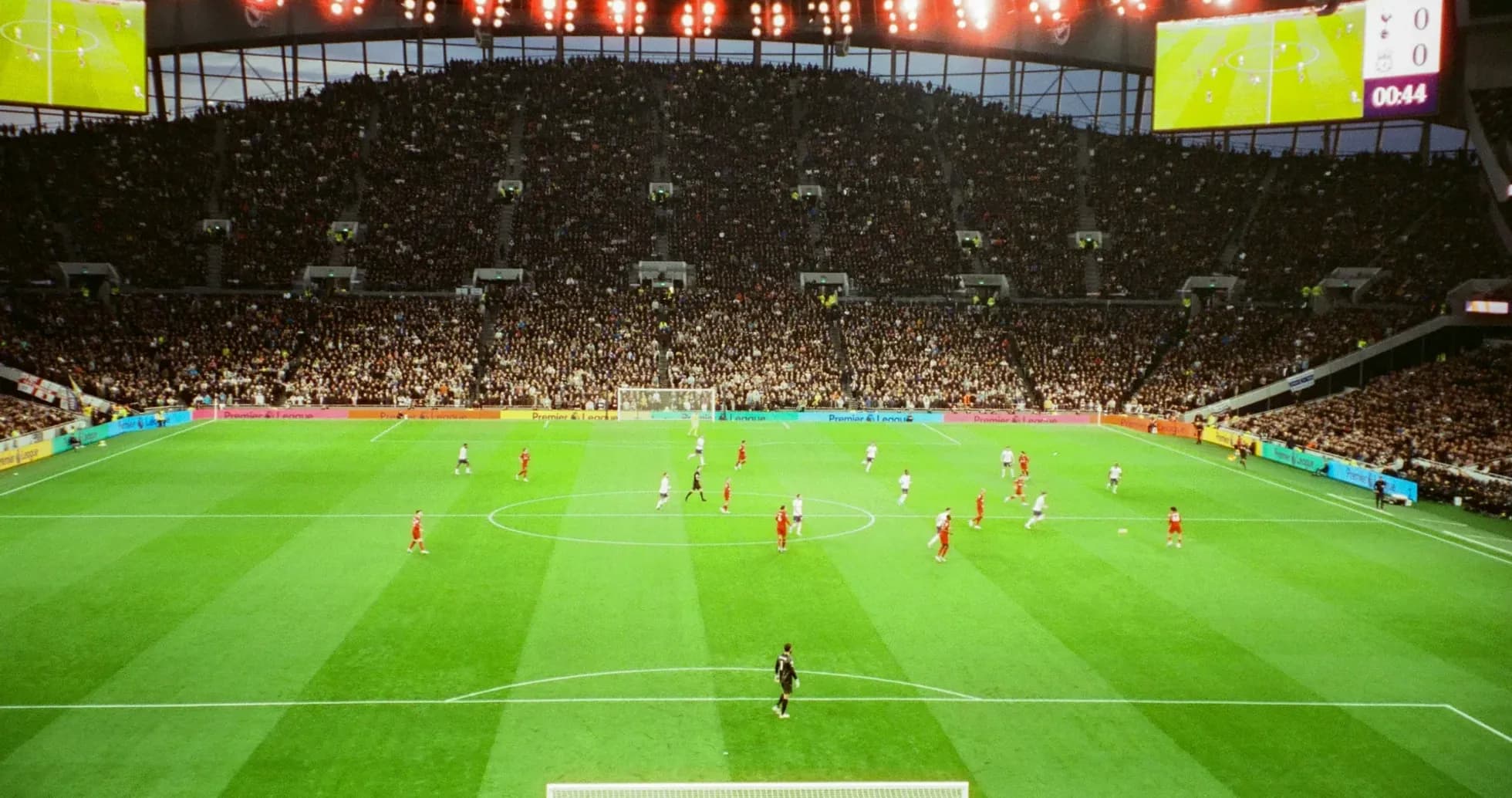
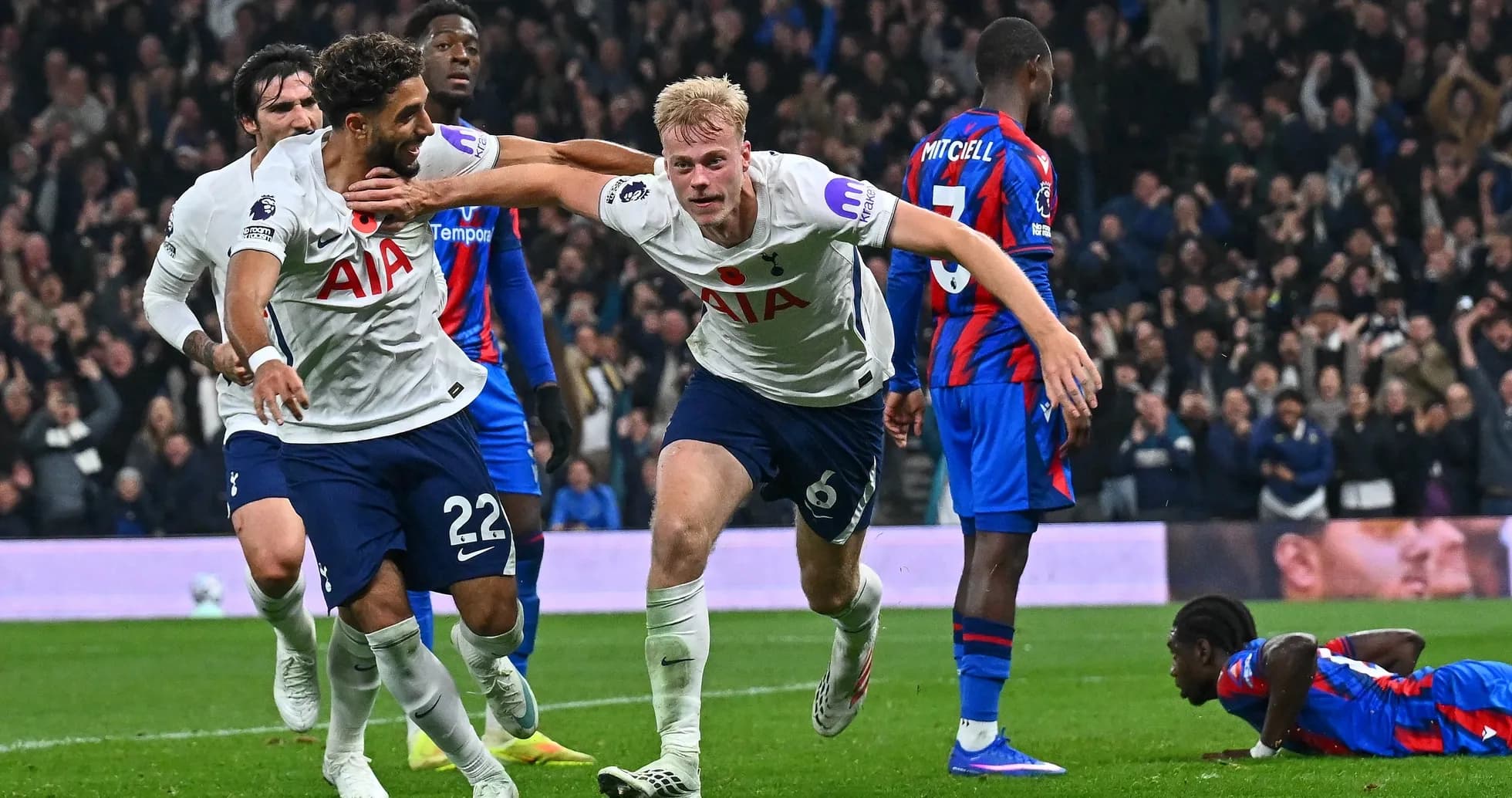
Under the lights at Tottenham Hotspur Stadium, this felt less like Round 9 of a long Premier League season and more like a quiet statement of intent. Tottenham’s 2–0 win over Crystal Palace, sealed after a 1–0 half-time platform, was the product of clear structural ideas from R. De Zerbi against a Palace side still searching for defensive stability and identity.
I. The Big Picture – contrasting trajectories
Following this result, the table tells a neat story. Tottenham sit 8th on 12 points with a goal difference of 0, their overall 10 goals for and 10 against perfectly balanced after 9 matches. At home this campaign they have scored 7 and conceded 6 across 5 games, an average of 1.4 goals for and 1.2 against at the Tottenham Hotspur Stadium.
Crystal Palace leave north London rooted in 18th on 7 points, their goal difference now -12, the product of 9 goals scored and 21 conceded overall. On their travels they have taken just 1 win and 1 draw from 5 away matches, with 3 goals scored and 11 conceded away from home – an average of 0.6 for and 2.2 against. The gulf in defensive solidity framed everything that unfolded.
Tottenham’s recent form line of LLDDLDWWW hinted at a side emerging from turbulence into rhythm. Palace’s LLWLDWLLL suggested the opposite: brief sparks amid a broader slide. This fixture confirmed those arcs.
II. Tactical voids – absences shape the chessboard
Both managers were forced into significant reconfiguration.
Tottenham were without T. Adarabioyo (calf injury), R. Bentancur (suspension after a red card), L. Bergvall (knee), M. Mudryk (ankle), W. Odobert (knee), X. Simons (knee) and another unnamed player with a muscle injury. That cluster of absences stripped De Zerbi of a ball-playing centre-back, a press-resistant central midfielder, and multiple wide threats. The response was pragmatic: double pivot control through S. Tonali and Mateus Fernandes, and creativity loaded into the line of three behind the striker.
Crystal Palace’s problems were just as acute. P. Sage travelled without J. Larsen (ankle), C. Riad (knee), I. Sarr (groin), Q. Timber (hamstring) and T. Tomiyasu (calf). That list removed a potential outlet in attack, a left-footed defender, and two versatile full-back/centre-back profiles, narrowing the tactical palette. Sage stayed loyal to the 3-4-2-1 that has defined Palace’s season, but with fewer options to rotate or change shape in-game.
Disciplinary history also hung over the contest. Tottenham have already seen a red card this season for Bentancur, while Palace defenders A. Disasi and forward J. Mateta both carry red cards in their league record. That undercurrent of risk influenced how aggressively each back line could step in and contest duels.
III. Key matchups – Hunter vs Shield, and the engine room battle
De Zerbi’s 4-2-3-1 was built on a clear spine. A. Kinský in goal sat behind a back four of A. Robertson, M. van de Ven, J. van Hecke and A. Gray. Ahead, Tonali and Mateus Fernandes formed the metronome, with M. Kudus, Omar Marmoush and M. Tel supporting D. Solanke.
The “Hunter vs Shield” narrative centred less on a single goalscorer and more on that attacking band of three against a Palace defence conceding heavily. Palace’s season numbers made grim reading heading into this game: 21 goals conceded in total, with 11 of those away. Tottenham’s home attack, averaging 1.4 goals per match, faced a back three that has already suffered a 5–0 away defeat this campaign.
Within that, Kudus was the key hunter. His league profile – 3 assists, 10 shots, 9 key passes and 21 successful dribbles from 36 attempts – paints him as Tottenham’s primary chaos agent between the lines. Operating nominally as the right-sided playmaker in the 4-2-3-1, he repeatedly asked questions of Palace’s left side, drawing out C. Richards and exposing the spaces either side of Disasi.
On the other side, Palace’s main creative “engine” was D. Kamada. With 3 assists, 309 passes at 83% accuracy and 8 key passes in the league, he is the conduit between midfield and attack. Lined up as one of the central two in the 3-4-2-1, Kamada was tasked with threading balls into Yeremy Pino and J. Mateta while also helping A. Wharton resist Tottenham’s press.
The duel between Kamada and Tottenham’s double pivot was decisive. Tonali, a natural controller, and Mateus Fernandes, more dynamic in his movements, compressed the central lane and limited Kamada’s time on the ball. With Palace already averaging just 1.0 goals per game overall and failing to score in 5 of their 9 league matches, any disruption to their main creator was always likely to blunt their attack.
Out wide, the defensive “shield” was tested. Yeremy Pino, one of the league’s most carded players with 3 yellows, brings aggression and verticality but also risk. Up against Robertson and Tel on Tottenham’s left, his willingness to press and foul could either pin Spurs back or concede dangerous set-piece platforms. Over 90 minutes, Tottenham’s structure and technical security meant the latter scenario prevailed more often.
At the back, Disasi’s presence in the Palace three was double-edged. His league numbers – 9 tackles, 3 successful blocks, 12 interceptions – underline his capacity to read danger, but the existing red card on his record meant he had to walk a disciplinary tightrope whenever Solanke pinned him or Kudus drove inside.
IV. Statistical prognosis – why 2–0 made sense
Looked at through the season lens, the 2–0 scoreline felt like the logical expression of both teams’ underlying profiles.
Tottenham, overall, score 1.1 goals per match and concede 1.1. At home, they are slightly more expansive, with 7 scored and 6 conceded in 5 games. Palace, by contrast, concede 2.3 goals per match overall and just 1.0 scored per game, with a stark away pattern of 3 goals for and 11 against in 5 outings.
Layer onto that the card timing data and the tactical picture sharpens. Tottenham’s yellow cards cluster early and around the hour (two peaks at 23.08% in the 0–15 and 61–75 minute ranges), but their only red card this season has arrived late, in the 76–90 window. Palace’s yellows are spread across the second half, with 23.08% in both the 46–60 and 61–75 ranges, while their reds have come early – split between 0–15 and 31–45. In a match where Tottenham controlled territory and possession, that pattern suggested that any Palace attempt to chase the game after falling behind would carry serious disciplinary risk.
From a notional xG and chance-quality perspective, Tottenham’s structured 4-2-3-1, with Kudus, Marmoush and Tel rotating behind Solanke, is built to generate repeatable, central chances. Palace’s 3-4-2-1, reliant on Kamada’s passing and Pino’s directness, has produced only 9 goals in 9 matches and failed to score in more than half of them. Against a Tottenham side that has already kept 4 clean sheets in total this season, a Palace breakthrough always looked unlikely once Spurs established control.
In the end, the match felt like an intersection of trends rather than an upset. Tottenham, even with a long injury list and Bentancur suspended, leaned on structure, control and their emerging creative star in Kudus. Palace, shorn of key depth and still leaking goals, were asked to withstand a level of pressure that their season numbers suggested they were not yet ready for.
Following this result, Tottenham’s balanced goal difference and improving form hint at a side ready to climb. For Palace, the numbers are more ominous: a porous defence, limited attacking output, and a relegation-zone ranking that now reflects not just bad luck, but the underlying tactical reality.