Tottenham's Ambitious Plan for Women's Football Success
Tottenham mean business. You can see it in the transfer fees, in the profile of the signings, and in the way the club now talks about its women’s team. This is no longer a project simply trying to survive in the Women’s Super League. It’s one aiming to crash the top table.
A year ago, Spurs were a good story: from relegation flirtation to a fifth-place finish. Now they want to be a problem.
A squad built to disrupt the elite
Martin Ho has not tiptoed into this job. Tottenham have attacked the market with clarity and, crucially, with money.
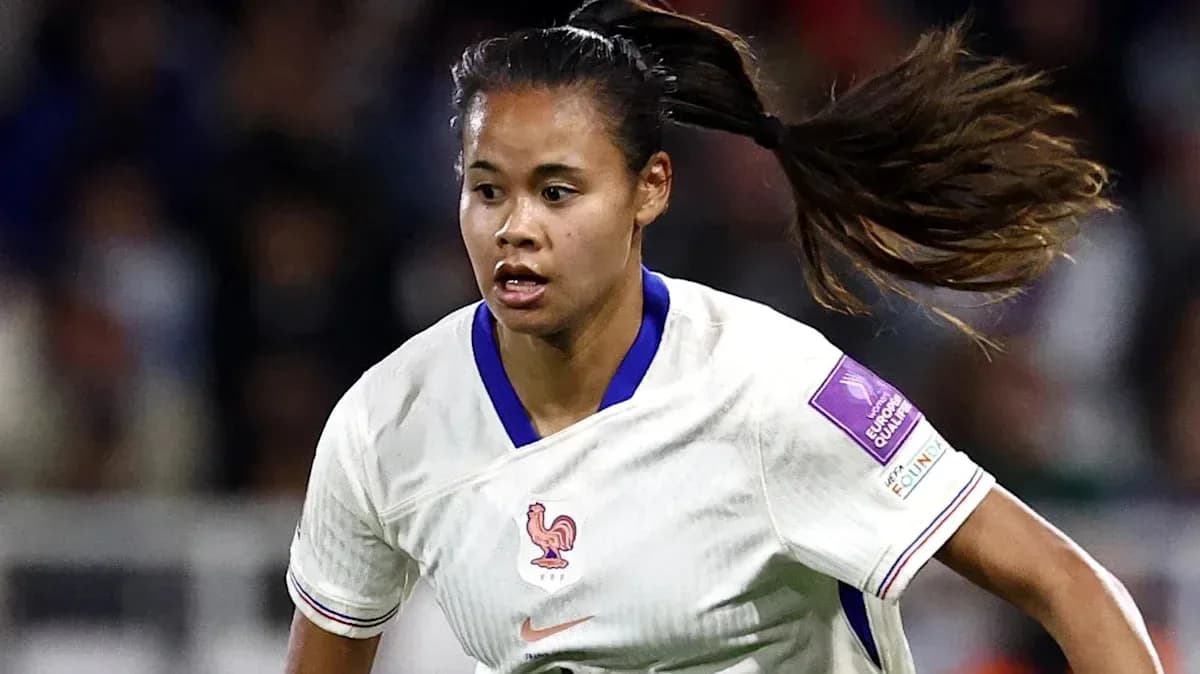
The headline move is Alice Sombath. A France international defender, prised from Lyon for a club-record fee, following on from the roughly £375,000 they spent in January on Signe Gaupset. Those two deals alone signal a change of gear. Spurs are no longer bargain-hunting around the edges of the WSL; they are shopping in Europe’s most exclusive aisles.
Around that spine, the recruitment has been aggressive and deliberate. Forwards Shekiera Martinez and Kirsty Hanson bring goals and proven WSL output. Caitlin Dijkstra adds defensive depth, Victoria Pelova offers guile and control in midfield, while Selma Panengstuen strengthens the goalkeeping department.
On paper, it looks like a squad designed not just to compete with the league’s heavyweights, but to annoy them. Pace and power up front, technical security in the middle, and a back line now boasting one of Europe’s most coveted young defenders.
The pressure finally told in the boardroom too. This is Tottenham’s seventh season in the top flight and the infrastructure around the team has grown in step. Staff numbers have risen, training standards have gone up, and the women’s side now has its own base at the club’s Hotspur Way training centre. Plans for a new women and girls academy facility have hit a legal block in court this week, but the direction of travel is obvious: the club wants the women’s operation to look and feel elite.
From survival to a 12‑month blueprint
The context matters. Spurs were promoted in 2019 and almost immediately started thinking big. They drew almost 40,000 to Tottenham Hotspur Stadium for a north London derby against Arsenal. They brought in USA superstar Alex Morgan on a short-term deal after the birth of her child. This is a club that has long flirted with the idea of being a major player in the women’s game.
Results did not always match the ambition. A poor 2024-25 campaign under Robert Vilahamn ended with his dismissal. Ho arrived in July 2025 and Spurs surged back up the table in his first season, finishing fifth and restoring some sense of momentum.
Behind that bounce was a clear recruitment plan. From the moment Ho walked through the door, Tottenham mapped out a 12‑month strategy, identifying targets across three transfer windows. Talks with striker Cathinka Tandberg and defender Toko Koga were already advanced before Ho had even signed. Both arrived in 2025 and have since become central to his plans.
Ho resisted the temptation to tear everything up immediately. He used his first summer to study the squad, then began what insiders describe as a “widespread evolution” of the group. No panic, no scattergun. Just a steady reshaping.
Club sources now say they have landed every key target in January and have done the same again this summer, even with the window open until 3 September. The deals were pushed through early by design, giving Ho a full pre-season with his complete squad rather than a drip-feed of late arrivals.
Behind the scenes, managing director Andy Rogers has been steering this window. After 24 years at Spurs, he is preparing to step down and is determined to leave the women’s side in a powerful position, with a smooth handover rather than a scramble.
Eyes on Europe, obstacles everywhere
So what does all this actually buy them?
Tottenham have moved beyond the stage of simply clinging to WSL status. They have the training base, the staff, the budget and now the squad depth to talk seriously about European football. Ho has been unwavering in his message: Spurs want to compete with the league’s best and build a team capable of playing in Europe.
The problem is the traffic ahead of them. Only the top three in the WSL reach the Women’s Champions League. Those places have been the near-exclusive property of Arsenal, Chelsea, Manchester City and Manchester United. For Spurs to break into that group would be a huge leap, not a gentle step.
And it is not just the established giants they have to worry about. London City Lionesses and Brighton have been spending heavily, both eyeing the same gap in the market Tottenham are targeting. Every ambitious club in the division is looking up at the same three Champions League spots and calculating how much it will cost to get there.
That race is being run in a landscape still forming its own rules. Discussions around financial regulations and salary caps in the women’s game are only just beginning. For now, clubs willing to invest face little regulatory resistance. That freedom might not last, but at this moment it rewards those who move fastest and think longest term.
Tottenham are trying to be one of those clubs. Their aggressive summer on the women’s side mirrors a bold window for the men’s team, which is attempting to recover from a Premier League season so poor it almost ended in relegation. The joint approach is part of a broader strategic reset after the departure of long-serving chairman Daniel Levy in September 2025 and subsequent shifts in the boardroom.
Vinai Venkatesham’s arrival as chief executive from Arsenal in April 2025 is another significant piece. He played a major role in Arsenal’s women’s success and has been brought in with the expectation he can help build something similar across north London.
The model is clear: sign some of the best young talent in Europe, like Gaupset and Sombath, and blend them with proven WSL scorers such as Hanson and Martinez. Give Ho a squad that can grow together, rather than a patchwork of short-term fixes.
The missing piece: a crowd to match the ambition
One major challenge lingers stubbornly in the background: the stands.
Spurs averaged just 1,734 fans in the WSL last season, a number that includes the spikes from occasional games played at the main stadium. For a club talking about European football and investing at this level, those figures are jarringly low.
The team’s rise has not yet been matched by a consistent, week-in, week-out fanbase. For Tottenham to truly join the WSL’s elite, they will need more than smart recruitment and ambitious boardroom strategy. They will need an audience that grows with them, that turns Hotspur Way’s quiet confidence into a roar on matchdays.
The squad is in place. The plan is in motion. The money is being spent.
Now comes the hard part: turning all of that into results, European nights, and a club that fills its seats as quickly as it fills its transfer wishlist.