Transfer Market Inflation: Liverpool's Role in Record Fees
While the game's elite scrap for a world crown across the Atlantic, England’s heavyweights are locked in a very different contest. No medals. No trophies. Just balance sheets, egos and transfer fees that look like typing errors.
The latest twist came on Wednesday. Tottenham Hotspur, never shy of a headline but rarely this extravagant, agreed a deal to sign Newcastle United midfielder Sandro Tonali for a basic £92.5million, with a further £7.5m in achievable add-ons. A £100m midfielder, in all but name.
Hours later, Spurs made it official with another statement move: West Ham United’s Mateus Fernandes arrived in a club-record £85m transfer. That landmark, once the kind of figure to define an era, now feels like a placeholder. It may stand only a couple of days.
Because Manchester City have already pushed the bar even higher. Their agreement to sign Nottingham Forest midfielder Elliot Anderson for £116m takes the arms race into new territory and prompts the obvious question: what exactly is happening to the transfer market?
Prices go up. That’s the nature of the business. The £20m player of ten years ago is not the £20m player of today. But this is something else. These are not just the usual bumps caused by TV money and Champions League revenue. The scale of the numbers – and the identity of the clubs willing to pay them – has shifted.
Liverpool know this better than most. And they are not just observers; they helped light the fuse.
Last summer, Liverpool ripped up their own reputation as the division’s canniest bargain-hunters. They went big. First came Florian Wirtz for £116m. Then Alexander Isak arrived in a £125m deal that stunned the market and reset the conversation around what a forward in his bracket should cost.
The club could point to the other side of the ledger. More than £200m raised in sales. Arsenal, the eventual champions, ended up with the biggest net spend in the league. On paper, Liverpool could argue they were simply reinvesting.
The headline, though, was brutal in its simplicity: almost £450m spent in a single window. No Premier League club had ever done that before. Once you cross that threshold, every negotiation you enter changes. Your own fees become reference points. Your own boldness becomes the benchmark others use.
Liverpool have long used comparison as a tool in valuation. They look at similar players – age, position, contract length, output – and set their price accordingly, particularly when selling. It explains why, even with Curtis Jones into the final 12 months of his current deal, they want more than £30m. Recent deals for players of similar profile have dragged that bar upwards. Liverpool see the market, and they are pricing in line with it.
They are not alone. Clubs across Europe are drawing the same conclusions. Good players – not yet great, not yet fully proven at the very top – are changing hands for fees that would once have been reserved for Ballon d’Or contenders. The base price for a “solid” signing has rocketed. The cost of the truly elite threatens to become almost unreachable.
Paris Saint-Germain’s response has been simple. They have taken one look at the chaos and slapped a nine-figure valuation on Bradley Barcola. RB Leipzig, meanwhile, barely blinked when Liverpool came in with £86m for Yan Diomande. They resisted, and the Ivorian winger is now reportedly keen on PSG instead. If you want the best, or even the next-best, you pay. Or you walk away.
This is where Liverpool’s ownership model is tested. Fenway Sports Group take pride in squeezing every last pound out of the market. They trade on timing, data and opportunism. The £34.5m move for Spain winger Victor Munoz from Osasuna last month, activated via a release clause, fits that pattern perfectly. Identify value. Move quickly. Avoid auctions.
They have to operate like that. Even after last summer’s spree, Liverpool do not have the financial muscle of some of their domestic rivals. They cannot simply decide to pay whatever it takes, whenever it suits. There are limits, and the rest of the league knows it.
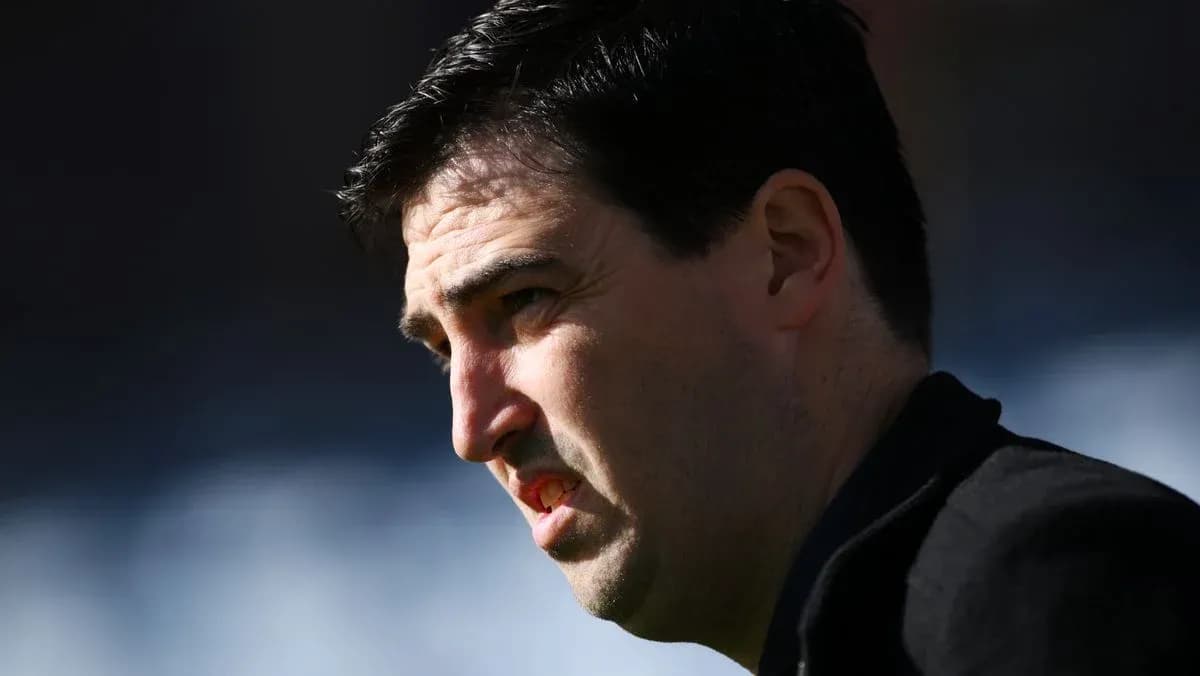
Yet Andoni Iraola’s squad still has gaps. Significant ones. Liverpool are only just getting going in this window, but the task in front of their recruitment team is harder than ever. The club want players closer to the finished article, not just raw potential, but the price of that kind of certainty has exploded. That reality goes some way to explaining the current tilt toward younger targets, with profiles that suggest upside and resale rather than instant, fully formed stardom.
The problem? Everyone else has read the same playbook. Young, high-ceiling players are now premium stock. The very strategy that once allowed Liverpool to out-think richer rivals has become the default approach for half of Europe.
So here they are, back in a market they helped inflate, trying to stay disciplined while the numbers spiral. The ball has not yet rolled in anger this season, but the scoreboard is already flashing three figures.
In this window, players haven’t just become a bit more expensive. They’ve jumped a tier. Liverpool, like the rest, are discovering that if you want the best, you no longer just pay big money.
You pay the kind of money that rewrites what “big” even means.