What Is a UFC Title Worth Without Pay-Per-View Revenue?
UFC fighters can no longer count on big pay-per-view payouts. With the end of pay-per-view, middleweight champion Sean Strickland and others are confronting a tough new reality about what their title is really worth.
The Old Model: Pay-Per-View as a Gold Mine
In earlier years, earning the UFC championship was seen as the key to unlocking significant wealth. Fighters climbed the ranks aiming for the belt because champion contracts included a share of pay-per-view revenue. This cut could turn solid earnings into life-changing money. Popular champions made even more thanks to higher event buy rates. Without that title, fighters were stuck just earning fight purses without any bonus from big buys.
New Era: Pay-Per-View Is Gone
Now, UFC events are available through a low-cost Paramount+ subscription. The UFC’s parent company, TKO, makes roughly $1 billion annually streaming these fights. Fighters still want the belt, but with no pay-per-view cuts, what does the championship offer financially?
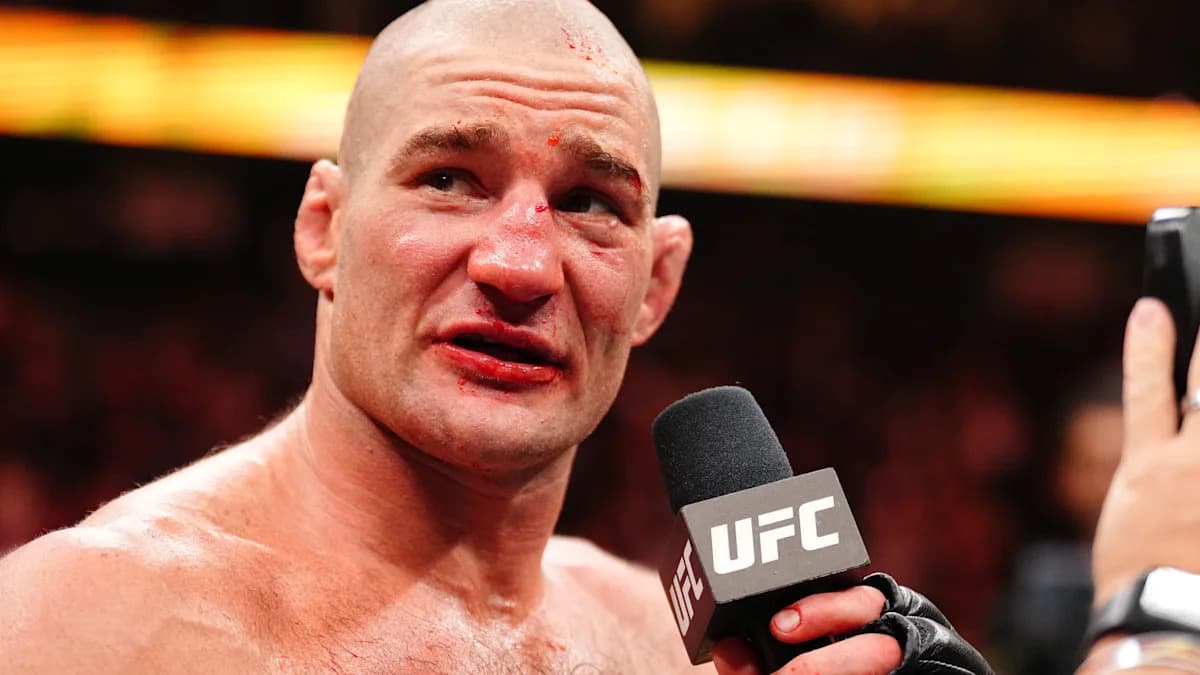
Sean Strickland, who regained the middleweight title in May after defeating Khamzat Chimaev, seems frustrated. He’s willing to risk giving up the belt just to get out of his contract quicker and explore free agency. This raises the question: How valuable is being UFC champion now?
Insights from Managers Behind the Scenes
Some managers preferred anonymity but shared a common view. They noted that even before pay-per-view disappeared, the revenue from it had been shrinking. Factors include rising ESPN+ event prices, easier access to alternative streams, and shifting cultural habits away from traditional cable purchases. Champions weren’t seeing big pay-per-view checks even then.
- Champion Pay Bump: UFC contracts still reward fighters more once they become champions.
- Promotional Compliance Bonuses: Champions receive $42,000 per fight for fulfilling promotion duties and wearing official gear, versus $32,000 for challengers and less outside title fights.
- Supplemental Income: Being champion opens doors to sponsorships, seminars, and meet-and-greets, boosting income though not to huge amounts.
So yes, a UFC title still means higher pay, but it's a much smaller difference than before. The upside is more predictable income with less guesswork around pay-per-view sales.
Predictability Has a Price
One manager explained that fighters now know exactly what they’ll earn as champions, eliminating hopes for massive pay-per-view windfalls that often never came. That clarity removes illusions but also can be disheartening. No hype or performance will increase those fixed amounts. Seeing reports of huge payouts to fighters like Conor McGregor or Conor Benn on single fights outside UFC contracts might add to frustrations.
Previously, champions could believe their earnings might grow endlessly with event success, embodying the “eat what you kill” philosophy. That idea feels much less true today.
Less Pressure on UFC to Please Fighters
Without needing to sell pay-per-view events individually, the UFC doesn’t have to focus as much on card quality or fighter satisfaction. This reduces their incentive to negotiate with champions like Strickland for main event spots. Whether he fights or not, TKO profits the same.
If a champion delays, the UFC can strip the belt and arrange a fight for the vacant title between other contenders. Valentina Shevchenko experienced this when sidelined despite being a long-time champ.
A New Reality for UFC Champions
The era of unlimited pay-per-view riches is over. UFC champions today know exactly what their title pays, good and bad. For many, that certainty brings comfort; for others, it breeds disappointment. The old model with dreams of huge paydays tied to event buys has vanished.