Where to Watch Algeria’s Les Fennecs in 2026 World Cup
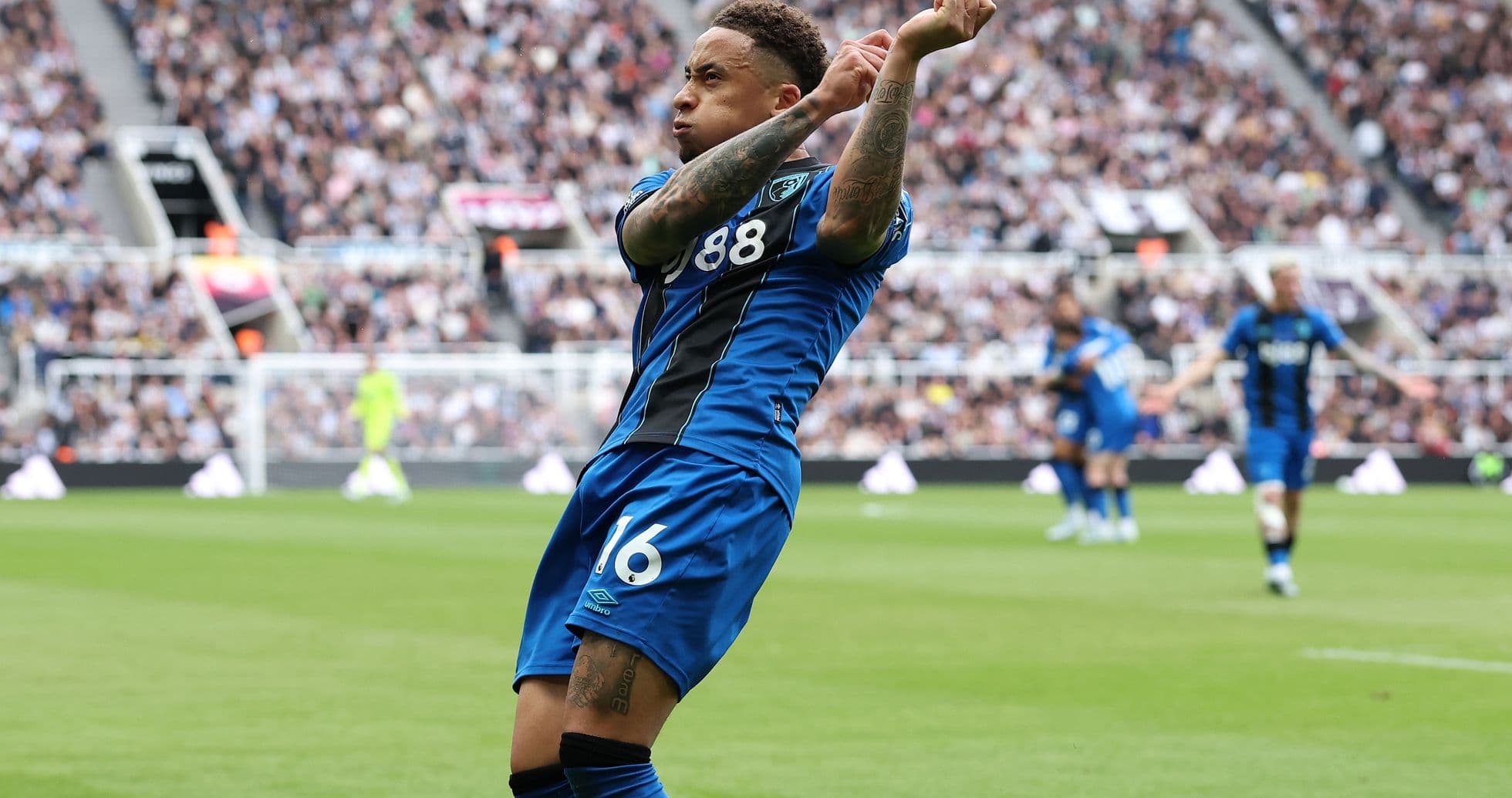
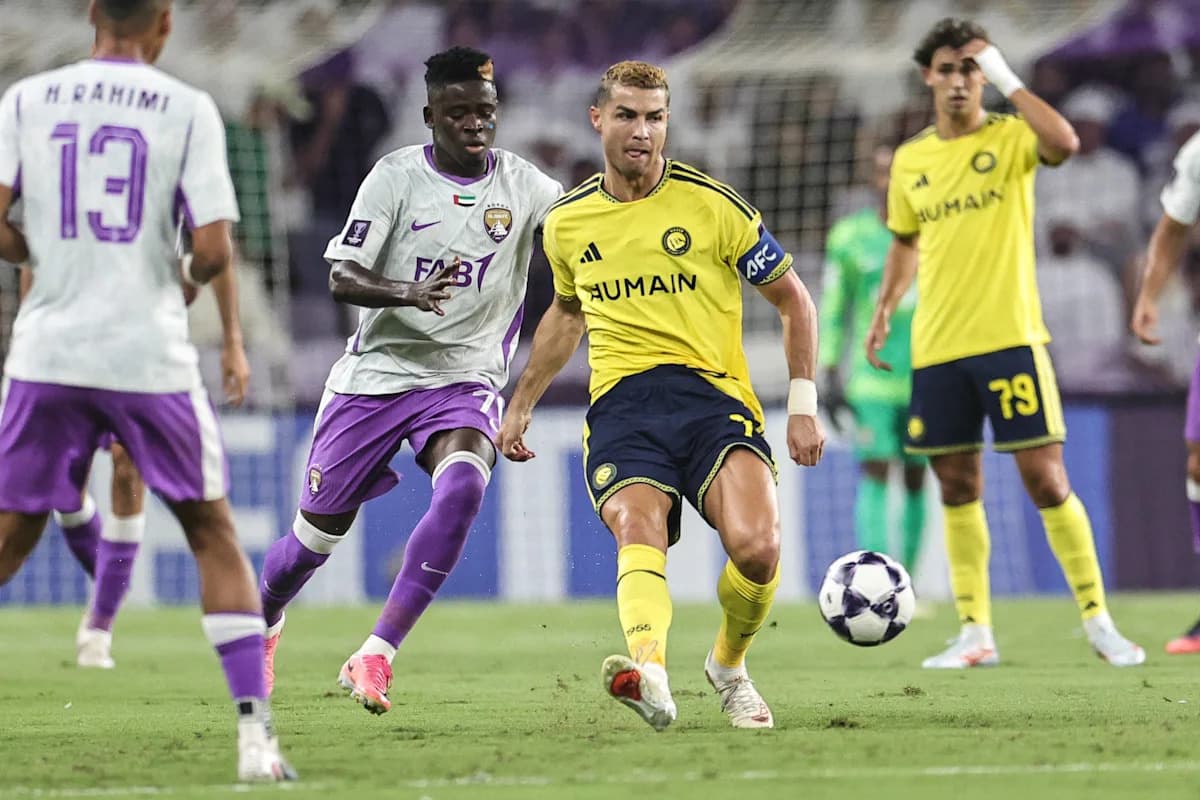
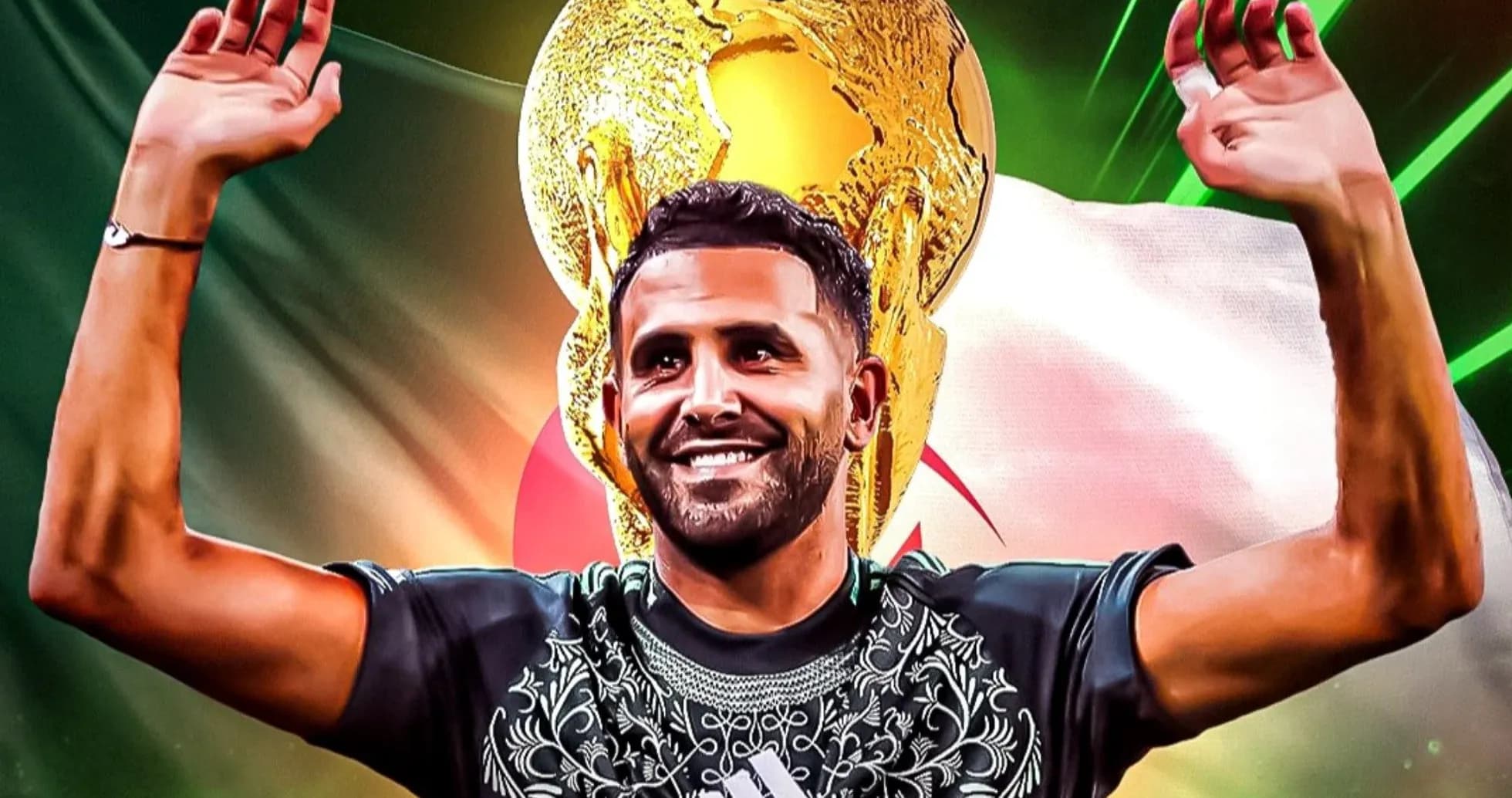
The road to the 2026 FIFA World Cup will run through living rooms, fan zones, and crowded cafés as much as it does through stadium tunnels. For Algerian fans, and for the millions who follow Riyad Mahrez and Mohamed Amoura from afar, the question is simple: where can you actually watch it all unfold?
In Algeria, the answer is clear. ENTV will carry the national team’s campaign, with beIN Sports also broadcasting the action for those plugged into its network. Between them, every tackle, sprint, and celebration involving Les Fennecs will be on screen.
A Global Broadcast Map
This World Cup will be scattered across three host nations, but the television footprint stretches far beyond North America. Broadcasters are locked in across the globe, ensuring Algeria’s journey in Group J reaches almost every corner of the football world.
Across Europe, some of the continent’s biggest public and private networks hold the rights. In France, matches will be shown on M6 and beIN Sports. Germany turns to ARD, ZDF and Magenta Sport. In Italy, RAI and DAZN share coverage, while in Spain, viewers can tune in via RTVE, Mediapro and DAZN. The United Kingdom splits its traditional free-to-air coverage between BBC and ITV, while the Netherlands relies on NOS and Portugal on Sport TV and LiveModeTV.
In the Nordic region, DR and TV2 show games in Denmark, NRK and TV2 in Norway, Yle and MTV3 in Finland, and SVT and TV4 in Sweden. Central and Eastern Europe are similarly covered: ČT and TV Nova in Czechia, TVP in Poland, MTVA in Hungary, BNT in Bulgaria, and a mix of STVR and TV JOJ in Slovakia.
The Balkans and surrounding region are well served. Arena Sport features heavily in Bosnia and Herzegovina, Montenegro, North Macedonia and Slovenia, with RTS in Serbia, HRT in Croatia, and RTCG in Montenegro also involved. Kosovo’s fans will turn to RTK, TV Vala and Arena Sport, while Albania has TV Klan and Romania has Antena.
Across the Mediterranean, Greece’s ERT, Cyprus’s Sigma TV and Malta’s PBS are on board, while Switzerland and Liechtenstein rely on SRG SSR. Luxembourg draws from VRT and RTBF, the same Belgian broadcasters serving their home market.
Africa and the Middle East: Eyes on Les Fennecs
For Algeria’s regional rivals and neighbours, coverage is equally extensive. In Algeria itself, ENTV leads the way, with beIN Sports providing wider Middle East and North Africa coverage. Egypt’s specific broadcaster isn’t listed here, but fans across the MENA region can follow the tournament through beIN Sports’ established network.
Sub-Saharan Africa will watch via New World TV and SuperSport, with South Africa also having SABC and SportyTV. Mauritius relies on MBC, while fans across the continent will have multiple options depending on local carriage of these networks.
In Iran, IRIB TV3 will show the tournament, while Israel turns to KAN and Charlton. Turkey’s coverage sits with TRT, and Turkmenistan with Turkmenistan Sport. In Central Asia, QAZTRK broadcasts in Kazakhstan, KTRK in Kyrgyzstan, Varzish TV and TV Football in Tajikistan, and Zo'r TV in Uzbekistan.
Americas: From Buenos Aires to New York
In North America, the World Cup will be impossible to miss. In the United States, Fox Sports carries the English-language coverage, while Telemundo delivers Spanish commentary. In Canada, Bell Media holds the rights.
South and Central America are saturated with options. Brazil leans on Grupo Globo, CazéTV and SBT/N Sports. Argentina splits coverage between Telefe and TV Pública. In Mexico, TelevisaUnivision and TV Azteca share the spotlight.
Chilevisión handles Chile, América Televisión covers Peru, and Teleamazonas shows games in Ecuador. Colombia has Caracol Televisión, Canal RCN and Win Sports. Bolivia viewers can tune into Red Uno, Unitel, Entel and Tigo Sports, while Paraguay uses Trece, GEN TV and Tigo Sports. Uruguay’s matches are on Canal 5 and Antel TV, and Venezuela’s on Televen.
Across Central America, TCS and Tigo Sports show games in El Salvador; Albavisión and Tigo Sports in Guatemala; Televicentro and Tigo Sports in Honduras; Medcom, TVN Media and Tigo Sports in Panama; and Grupo Ratensa and Tigo Sports in Nicaragua. Costa Rica relies on Teletica and Tigo Sports. For the wider South American region, DSports and Disney+ offer another layer of coverage.
Asia-Pacific: Late Nights and Early Mornings
From Tokyo to Sydney, broadcasters are in place for the long nights and early-morning kick-offs that come with a North American World Cup.
Japan’s coverage is spread across NHK, Nippon TV, Fuji TV and DAZN. South Korea turns to JTBC, KBS, NAVER Sports and CHZZK. China’s rights are with CMG, while Hong Kong viewers can watch via PCCW. In Southeast Asia, Indonesia has TVRI and RRI, Cambodia has Hang Meas, Singapore uses Mediacorp, and Vietnam watches through VTV. The Philippines’ rights sit with Aleph Group.
In South Asia, Acepro Media and Prime TV cover Nepal, while Medianet serves the Maldives. Timor-Leste uses ETO. In Oceania, SBS broadcasts in Australia and TVNZ in New Zealand, with Fiji’s coverage on FBC.
Macau’s fans can turn to TDM, Taiwan’s to ELTA, EBC and TTV, and Mongolia’s to EduTV, National Television, Suld TV, MNB and mobihome VOO.
How Fans Are Using VPNs
For supporters outside these broadcast footprints—or those chasing specific free-to-air options—VPNs have become part of the modern viewing toolkit.
The principle is straightforward: connect to a server in a country where the match is available on a free or preferred broadcaster, then stream as if you were there. For Algeria’s games, that often means virtually “moving” to a territory showing ENTV or another accessible channel.
The basic steps are familiar to most tech-savvy fans:
- Pick a high-speed VPN provider capable of handling live video.
- Install the app on your chosen device, whether that’s a laptop, phone or Smart TV.
- Connect to a server in the target country.
- Open the broadcaster’s official website or app.
- Search for the “FIFA World Cup” coverage and start the live stream.
For those determined not to miss a single Mahrez dribble or Amoura run in behind, it has become as routine as checking the line-ups an hour before kick-off.
Algeria’s Task in Group J
On the pitch, Algeria’s focus is fixed on Group J. Les Fennecs have landed in a section that demands consistency and nerve across three different American cities. The exact fixture list and venues will dictate the rhythm of their campaign, but the message is already clear: no easy nights, no soft landings.
Every group game will be a test not just of talent, but of adaptability—different climates, different crowds, different atmospheres. For a side built on technical quality and emotional intensity, that blend can be combustible in the best possible way.
The stage is global, the broadcast map is set, and the screens are ready. Now it’s up to Algeria to make sure that, wherever fans are watching—from Algiers to Montreal, from Paris to Doha—they’re tuning in for more than just the group stage.