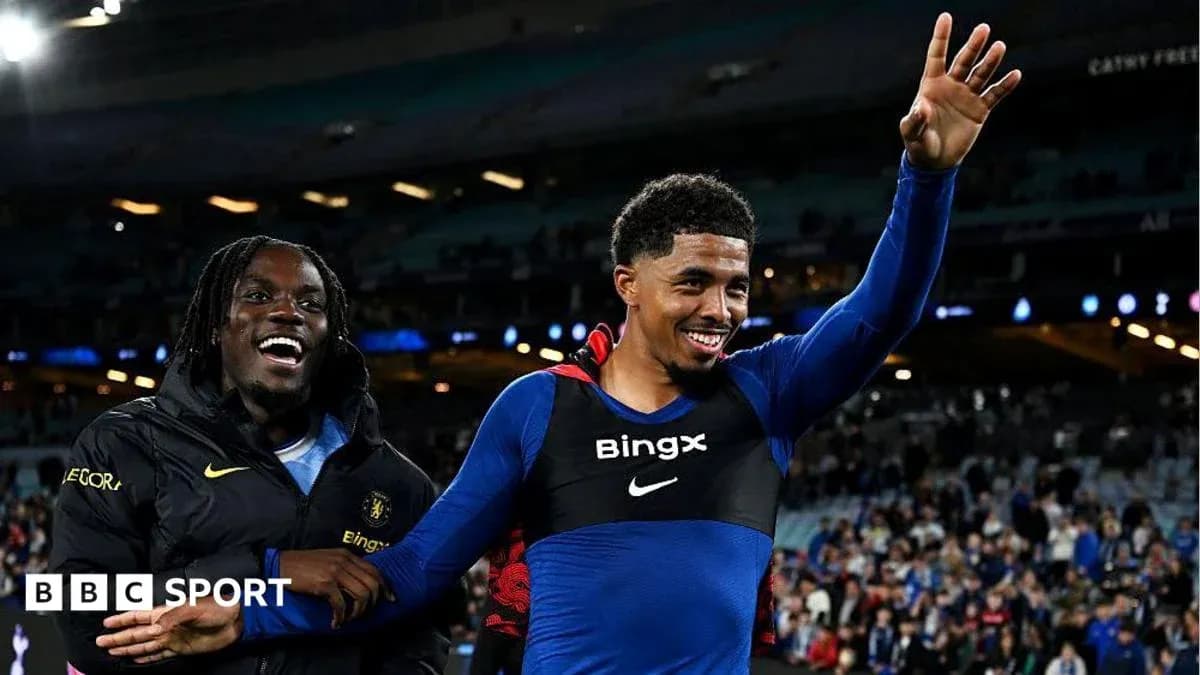
Wesley Fofana: Stability is Key for Chelsea's Future
Wesley Fofana has cried on the pitch, been hammered for laughing on the bench and laid bare the racist abuse in his inbox. Now he insists something simpler can change everything at Chelsea.
Stability.
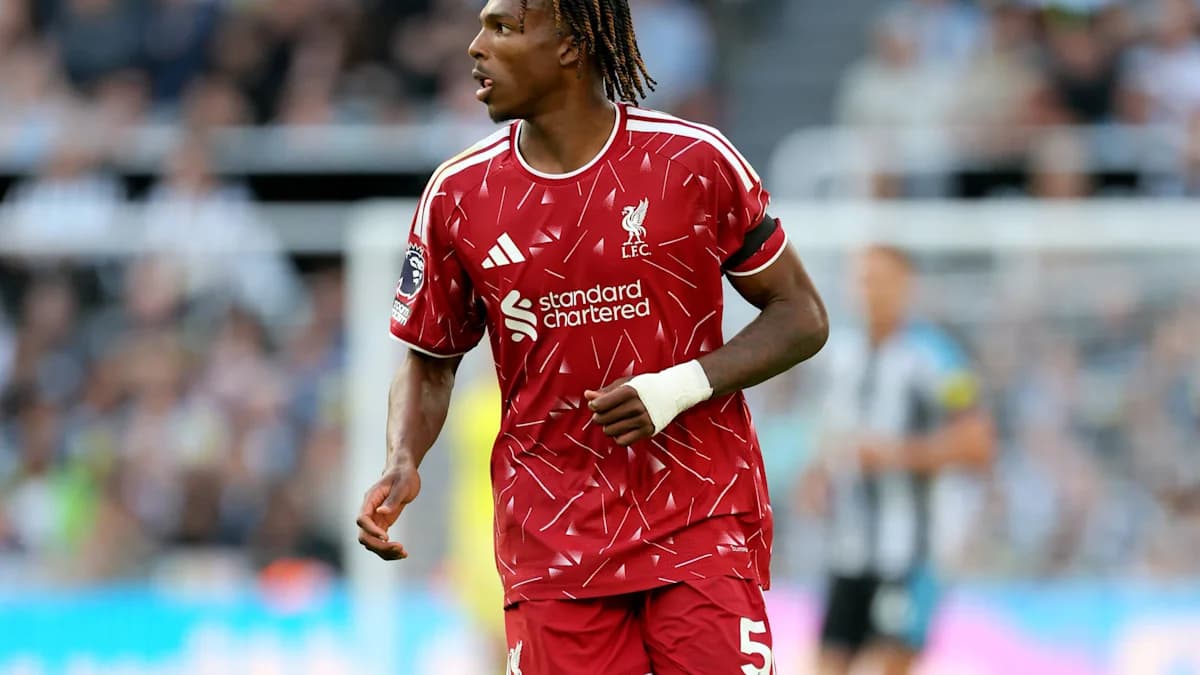
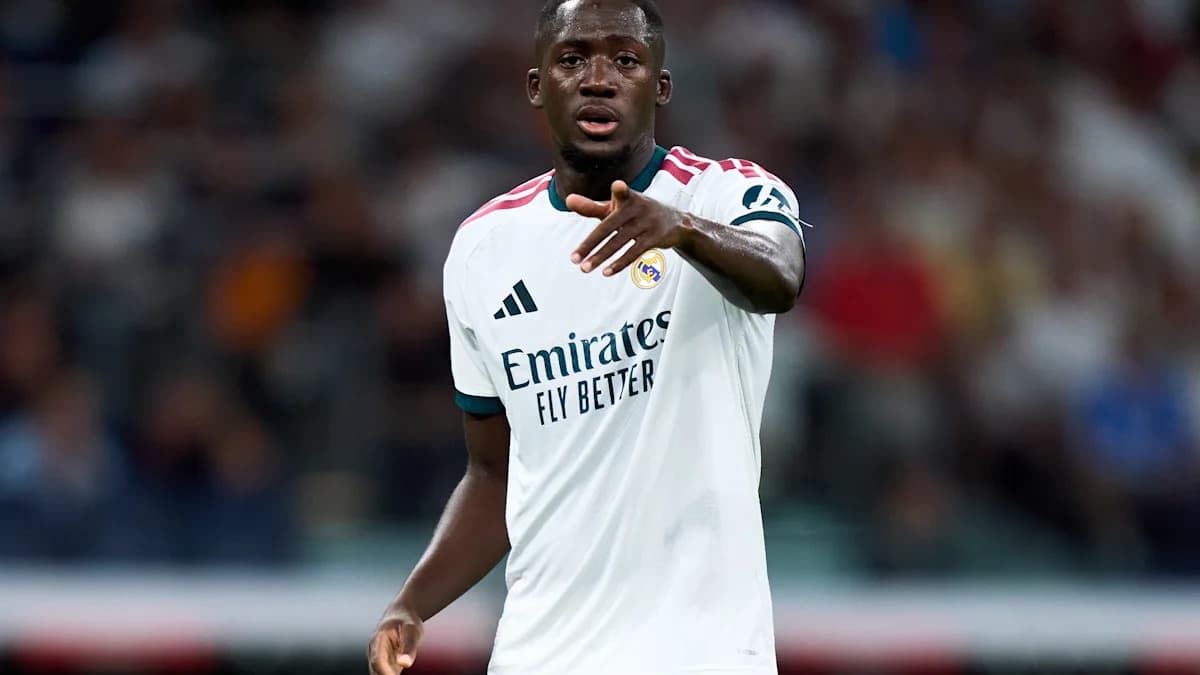
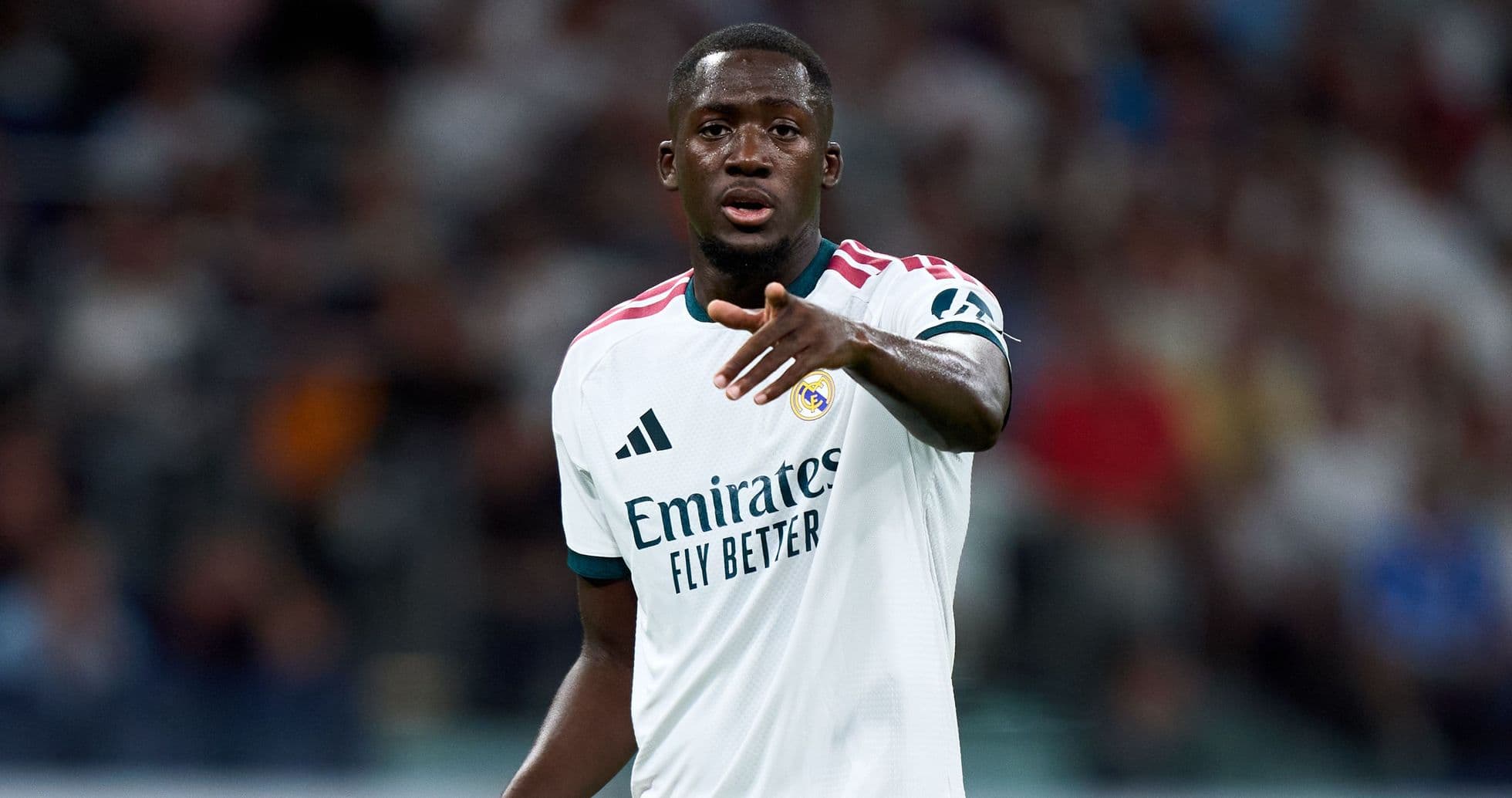
The 25-year-old centre-back has become an unlikely survivor at Stamford Bridge. Signed for £75m from Leicester City in 2022, he arrived as a symbol of a lavish new era. Two chaotic years later, he is almost a relic. Marc Cucurella has gone to Real Madrid. A raft of others have been moved on. Only academy captain Reece James has been at the club longer.
“Football is like this. It moves fast, but it is a good stat,” Fofana says. “For me, some years were difficult, but now I’m back. I’m playing, I’m fit.”
He has reasons to feel bullish. Fofana is still young, has come through a brutal run of injuries and, crucially, has been heavily used by new manager Xabi Alonso in pre-season. The Frenchman has started in three of the five friendlies where Alonso has gone strong with his XI.
Well, almost fully fit.
“Thanks, Filip,” he jokes, recalling how goalkeeper Filip Jorgensen clattered into him with a punch in an aerial duel last season, denying him what he calls a truly injury-free campaign.
For a player who has broken his leg at Leicester and then battled back from an ACL and hamstring surgery at Chelsea, “small details” have become an obsession. How he trains. How he recovers. How he clears his head.
“For me, the most important thing last season was to be fit, just to remove this from my head – the injuries and other things,” he explains.
From boyhood dream to lightning rod
This was never meant to be so complicated. Fofana grew up in Marseille idolising Didier Drogba and dreaming of Chelsea blue. When the move finally came, it felt like destiny.
The reality bit hard. Chelsea finished 10th in the Premier League last season and ended without a trophy. In the fallout, Fofana became one of the easiest targets.
The image that stuck was a clip of him laughing on the bench during a heavy Champions League defeat by Paris St-Germain in March. It spread quickly. Context disappeared. So did nuance.
Inside the club, Fofana says, people “know my mentality”. Outside, the narrative was less forgiving.
“When the team is not doing well, we need to find someone [to blame]. I can accept that,” he says. “The club bought me for a very big transfer [fee]. I came with the ambition to be the best in my position and to help the team. So, when things go badly, I accept being the guy [people blame].”
He could easily have fired back. Enzo Maresca left after a breakdown with the hierarchy. Liam Rosenior arrived, went five games without a goal, lost the dressing room and was gone within four months. The club lurched. The players felt it.
Fofana refuses to hide behind that.
“Of course we can use this as an excuse, but I think it’s the players,” he says. “We didn’t give everything. We lost some games, we produced some poor performances and we missed a lot of things.
“Of course you can’t bring that into the new season, but I think everyone knows what was wrong last season. Everyone looked at themselves in the mirror.”
Drawing a line on abuse
There is criticism a footballer can live with. Then there is the line Fofana will not allow anyone to cross.
A Muslim with Ivorian heritage through his father, he was racially abused on Instagram last season and again highlighted abuse in March 2025. The messages still sting, but he refuses to let them sit in the dark.
“It is not a big thing to expose people who do that,” he says. “For me, it is very important. For me and other players, we need to show what people are saying.
“We need to educate people. I think the people behind Instagram need to work on that. I exposed this on Instagram and Twitter [now called X] because I think they need to be more aware and more conscious of this problem.
“It is not only football. I think the world is a little bit like this and it is too easy to say some things.”
The contradictions in those messages are stark. One day, monkey emojis after a defeat. The next, praise if he scores.
“Sometimes I receive messages and I don’t think these people are racist,” he says. “They send monkey emojis because they are unhappy with the result and then, if I score in the next game, the same people support me.
“We need to educate people because it is not normal to talk like this. I understand that if I get a red card, you can be disappointed, but you cannot say these things.”
Younger team-mates have shown him similar abuse, then chosen to ignore it. Fofana, who has been dealing with this since he was a teenager, has made his choice. He will keep speaking out, even if some then turn their fire on his character instead.
Fighting for his place in a crowded room
On the pitch, the competition is relentless. Alonso has leaned on Fofana in pre-season, but the numbers at centre-back are impossible to ignore.
Chelsea have signed Maxence Lacroix and now have nine central defenders on their books. The club also maintains a list of “untouchable” players who are not for sale. Fofana is not on it.
He shrugs at the reality.
“Yes we have a lot, I think there are nine or 10,” he says. “Everyone needs to be good, to train well and after the manager takes the decision. It’s like this for everyone.
“Maybe some guys will leave, others will come again. For myself, it is about training well, trying to be fit and we will see what the manager does. If the club tells me they don’t need me anymore, it is like this. Of course I will be sad but this is football. You can’t say ‘I have my place and I am sure to play’.”
The sense around the club is that he will stay. Fofana wants that too. He believes Chelsea are finally trying to correct course.
He is among those who have listened to the sporting directors and board outline a new direction, one that has already brought in seasoned figures Jordan Henderson and Danny Welbeck. At 36 and 35 respectively, they arrive not for resale value but for know-how.
Fofana is convinced they matter.
He says they “know how to win big games”, will be “important in training sessions” and, if standards drop, might give “one or two players a kicking.”
Alonso, stability and a second chance
For all the talk of new faces, Fofana keeps coming back to one word: stability. The dressing room wants it. The hierarchy, he says, now accepts it must provide it. Alonso, with his clear ideas and calm authority, has become the test of that promise.
“I think everyone knows we need stability,” Fofana says. “We talked last season with the directors and they said the same thing. They think the same way as the players. We need stability.”
From the outside, he has been painted as a symbol of Chelsea’s excess: huge fee, big expectations, mixed performances. Inside Cobham, he is trying to become something else entirely – the defender who survived the storm and helped anchor whatever comes next.
If the club finally stands still long enough to build, Fofana intends to be right at the heart of it.