2026 Brazilian Grand Prix Qualifying Hit by Storm
At Interlagos, the storm arrived before the lap times.
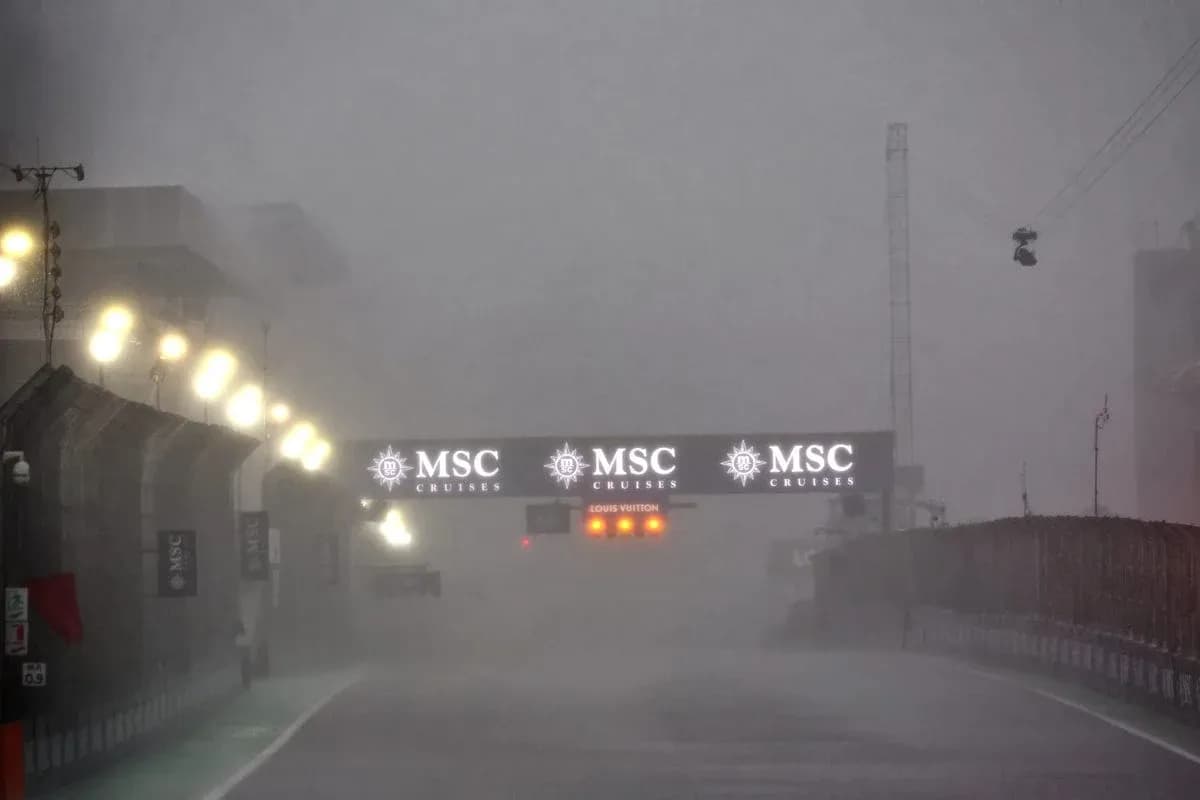
Barely two minutes into 2026 Brazilian Grand Prix qualifying, race control slammed the red flag out as a wall of rain turned one of F1’s great amphitheatres into a flooded stage. The session had always carried a weather warning. This was something else.
Sheets of water hammered the circuit as the clock started. Forecasts had hinted at showers on Saturday, but the torrent that greeted the field as qualifying began caught drivers and teams badly on the wrong foot and forced the stewards to intervene almost immediately.
Eight cars rolled the dice on intermediate tyres: Kimi Antonelli and George Russell in the Mercedes, Charles Leclerc in the Ferrari, Isack Hadjar in the Red Bull, the Alpine pair Pierre Gasly and Franco Colapinto, Fernando Alonso’s Aston Martin and Valtteri Bottas in the Cadillac. They barely made it out of the pit lane before it became obvious this was not a gamble. It was a rescue mission.
Spray hung like a curtain. Visibility vanished. Grip followed it.
Replays showed Lando Norris skating frighteningly close to the barriers, the McLaren snapping as it fought for traction. Antonelli and Hadjar, youngsters in cars with teeth, could only laugh over the radio at the absurdity of the conditions, even as they called for waterproofs. This was less a qualifying session, more a soaking.
Gabriel Bortoleto captured the paddock mood in a single line: “When I get out, I need to change my clothes, I'm completely wet!”
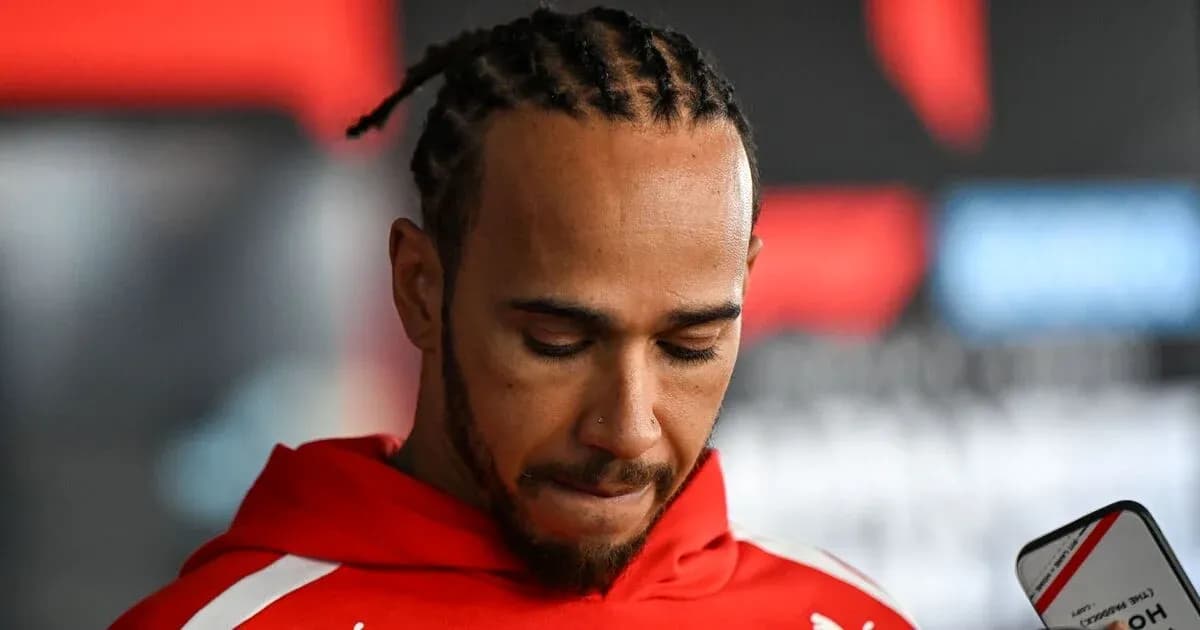
Two men watched it all from dry tarmac and drier race suits. Max Verstappen and Lewis Hamilton never left the garage, their experience in these knife-edge calls laid bare as the rest of the field tiptoed into a storm they wanted no part of.
Out on track, the rain refused to ease. There was no confirmed restart time. At 1808 UK time, Nico Hülkenberg’s engineer delivered the bleak update over team radio: the downpour at that intensity would last at least another 10 minutes. The message matched what everyone could see on the pit wall monitors – a radar painted in angry colours and a circuit drowning under it.
The FIA soon issued its own bulletin, confirming an expected 10 minutes of heavy rainfall and outlining the next steps. Once conditions improved, the medical car would be sent to assess the level of standing water. Only then could any realistic talk of a restart begin.
Hope flickered 35 minutes after the original qualifying start time. The safety car finally emerged from the pit lane, slicing through the spray for reconnaissance laps. Around the same moment, drivers climbed back into their cockpits, helmets on, belts tightened, ready to salvage a session that had yet to truly begin.
The optimism lasted two laps.
As the safety car completed its second tour, another dark band of rain rolled over Interlagos. The radar turned ugly again. Engines fell silent. Drivers unstrapped and stepped out of their cars once more, the afternoon sliding back into uncertainty.
Qualifying at Interlagos is usually a fight against rivals and the clock. This time, Formula 1 found itself wrestling something far more unforgiving: a Brazilian sky that simply refused to let the racing start.