Kimi Antonelli: The World Champion Who Transformed Mercedes' Garage
Mercedes mechanics have learned to keep their heads on a swivel. Not for flying wheel guns or runaway tyres, but for their own driver. When Andrea Kimi Antonelli walks into the W17 garage, no back is safe and no ribcage is out of reach. A greeting, a grin, and then—nipples get pinched, shoulders get slapped, and the calm of a grand prix weekend erupts into chaos.
It sounds ridiculous for Formula 1’s newest world champion. It also explains him perfectly.
This is the 20‑year‑old Italian who has turned the most pressurised space in motorsport into something that often feels like a family kitchen. The pranks are constant. The laughter is real. And beneath the whipped cream and the tickling and the ambush hugs lies the real foundation of his title: a bond with his crew that goes far beyond lap times and telemetry traces.
A champion who never stops messing around
“When he comes into the garage, it's quite a show,” says Nathan Tupper, the power unit man on his car. Mechanics brace themselves. He barges through the door, grabs people, pinches, slaps, teases. He’s 20, and he behaves like it. That’s the point.
Ash Jones, his second senior mechanic, has lost count of the pranks. You say hello; he answers with a pinch. You lean over the car; he sneaks in a jab to the ribs. It’s relentless. It’s also deliberate. He wants the barrier between driver and crew gone.
The mischief doesn’t stop when the visor comes down. Tom Mason, Antonelli’s number one mechanic, has watched him minutes before qualifying, supposedly the most focused moment of a weekend, still darting around the garage, grabbing people, tickling them, cracking jokes. The pressure is enormous. He behaves as if it’s a kart race with his mates.
Birthdays are even more dangerous. Antonelli has created his own Mercedes tradition: a faceful of whipped cream for the lucky victim. For mechanics who often spend their birthdays half a world away from home, it matters more than it sounds. Callum Wooldridge, who works on the front end of the car, remembers his turn last September. In a paddock that can be cold and transactional, their garage is anything but.
The result is an atmosphere that mechanics describe as one of the best they’ve known with any driver. With Antonelli, there is no stiffness, no walking on eggshells. Conversations feel like chats between colleagues, not briefings with a superstar. And that is no accident.
Race engineer Peter Bonnington actively pushes for that closeness. “Bono” wants jokes, noise, life in the garage. He knows a relaxed Antonelli is a fast Antonelli, and the driver leans into it completely.
The kid in the blue cap and the early crashes
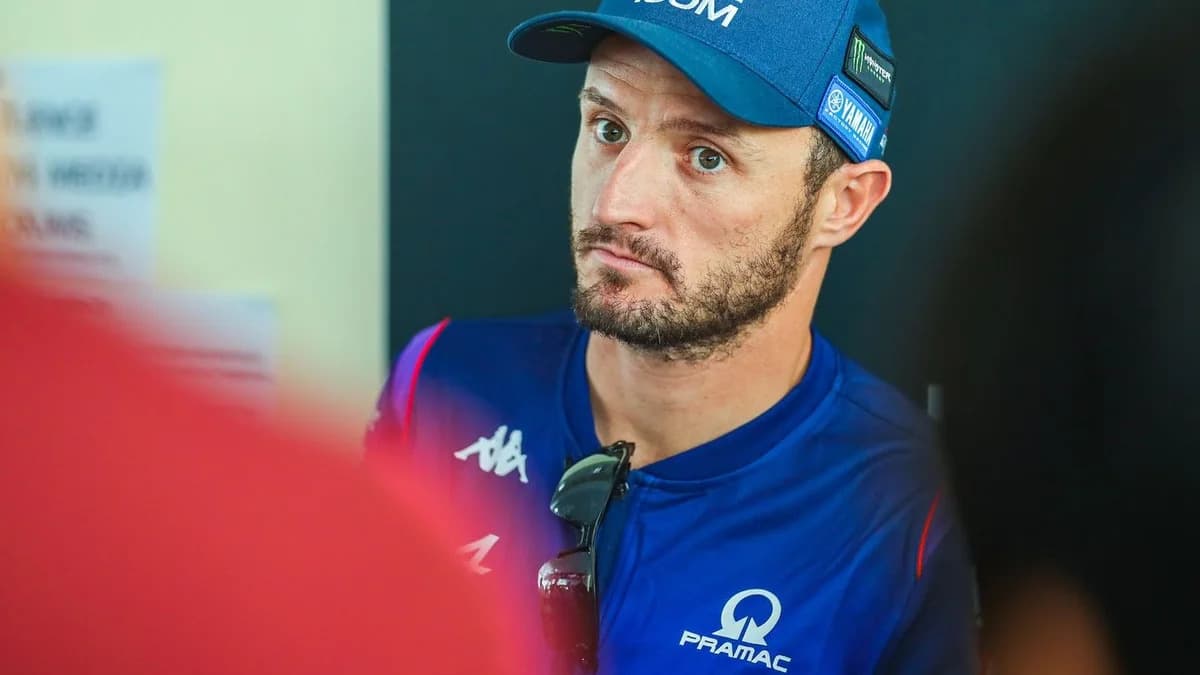
To understand how this relationship formed, you have to go back to 2024 and a teenager with too much hair sticking out from under a blue cap. Mercedes had begun its private testing programme to prepare Antonelli for F1. He was 17. He looked like a kid who’d wandered into the wrong paddock.
Mechanic Franck Bougeard remembers that first test in Austria vividly: the messy hair, the slightly lost look, and then the reality—this “little kid” was about to drive a Formula 1 car.
The learning curve was steep and occasionally brutal. In Abu Dhabi he crashed hard enough to damage the chassis. The team had, unusually, brought a spare. No one could quite explain why they’d bothered, but they were suddenly very glad they had. Then came Monza. Another accident. Another broken car.
Bougeard admits a thought crept in: every time this kid goes out, are we changing a chassis?
The speed was obvious. So was the rawness. He pushed too hard, stepped over the limit, paid the price. That was precisely what those tests were for—but it didn’t make it easier on the crew.
After the Monza crash, Antonelli came back to the garage devastated. He apologised again and again for the damage, for the workload, for the chaos he’d caused. Bougeard tried to calm him down, checked he was all right, then asked what his father had said.
The answer has stuck with him: a half‑hour telling‑off. His mother? Terrified, in tears. Behind the wheel, he was precociously capable of handling an F1 car. Away from it, he was still a teenager dealing with the same family dramas as any other 17‑year‑old.
His father, Marco, wasn’t just a voice on the phone. During a test in Abu Dhabi, after hearing his son had hit the barriers, he sprinted across the circuit to reach him. Bougeard had to pull him aside later and spell it out: there are doctors, ambulances, marshals. The last thing anyone needs is a panicked father being hit by an emergency vehicle.
Marco admitted he’d got it wrong. The emotion, though, told the mechanics everything about where Kimi came from.
From Hamilton’s seat to a rookie with doubts
When Antonelli arrived as a full‑time race driver in early 2025, he walked into a garage that had just said goodbye to Lewis Hamilton. The mechanics knew every nuance of Hamilton’s working style. They knew nothing about this teenager taking his place.
Mason wondered how many times they’d be rebuilding cars. How long it would take Antonelli to adapt. How much extra work was coming their way.
The rookie worried about exactly the same thing, only from the opposite angle. Every mistake left him crushed. Every damaged part felt like a personal failure. He apologised constantly, sometimes obsessively, for the strain he thought he was putting on the crew.
Eventually, Mason drew a line. Stop apologising. This is our job. You give everything in the car; we’ll give everything in the garage. You don’t carry our workload on your shoulders.
The results didn’t always come. The 2025 season had rough weekends, with Spa standing out as a particularly painful low. The pressure on an 18‑year‑old in Hamilton’s old seat was immense. The team saw it. They saw the anger when he stepped out of the car, the frustration, the self‑criticism.
What impressed them most was what came next.
By the time they saw him again, the storm had gone. He walked back into the garage with a clean slate, smiling, ready to start over. No sulking. No lingering resentment. No blame. Just reset and go again.
For a crew that lives on the emotional temperature of its driver, that trait is gold. A moody driver drags a garage down with him. Antonelli lifts it. His energy is contagious, and for the man coordinating the work of dozens of mechanics, that changes everything.
Two days to learn a family
There is one detail that every mechanic mentions: he knows them. All of them.
Ash Jones still sounds slightly stunned when he talks about it. Names, roles, little details from conversations—Antonelli remembers them all. Tell him something once about your life away from the track, and it sticks.
Before he officially joined the race team, Mason approached his press officer, Rosa, to organise a meet‑and‑greet so everyone could get to know the new kid. Antonelli was keen, but only on one condition: he wanted to see the testing crew first. The guys who had been with him in Austria, Abu Dhabi, Monza. The ones who had rebuilt those cars and watched him crash, learn, grow.
He refused to leave them behind as he stepped into the spotlight.
When he did finally join the race team in the garage, it took him just a couple of days to learn every name. At the same time, he was absorbing a new car, new procedures, new engineers, a completely different level of scrutiny. Yet he still found the time to make sure no one in that garage felt anonymous.
The attitude runs in the family. Tupper laughs as he describes working away on the car and suddenly feeling arms wrap around him from behind. He turns, expecting a colleague. It’s Marco, grinning. The father is as tactile and open as the son. The message is the same: you’re not just staff, you’re part of us.
Wooldridge remembers the early months of 2025, when Antonelli was still shy, still measuring his words. Gradually, race by race, he opened up. Now he jokes with everyone, but the core hasn’t changed. Win or lose, title fight or anonymous weekend, he walks into the garage as the same kid.
Melbourne: the night the mechanics saved his season
For all the jokes, Mercedes life with Antonelli is not a sitcom. Melbourne at the start of 2026 proved that.
He smashed the car in FP3. Not a wing or a wishbone. Serious damage. The kind that turns a practice crash into a full‑scale emergency. The clock to qualifying started ticking; the mechanics dived in.
They stripped, repaired, rebuilt. It was the kind of thrash that leaves hands bleeding and voices hoarse. Somehow, they made it. The car rolled out. Antonelli put it on the front row, second on the grid.
After qualifying, he went looking for Jones. How did you do that? How did you possibly get this car back together? He was genuinely stunned. And he wouldn’t stop thanking them.
For Jones and the others, that day is etched into their memory. It wasn’t just the performance. It was the look in his eyes when he realised what they’d done for him.
The emotional link runs both ways. When Antonelli has a bad day, Wooldridge admits, they all feel it. It doesn’t matter whether the problem is driver or car; the line between them has blurred. When he’s on a rollercoaster, they’re strapped into the same ride.
The moments that made a champion
Ask them when they first truly believed this kid could become world champion, and the answers come from different corners of the calendar.
For Jones, it was Monza. Nineteenth on the grid, home race, impossible traffic, and yet Antonelli sliced through the field and somehow emerged as the winner. That kind of comeback, in that cauldron, flipped a switch.
Wooldridge points to Austin. An unexpected pole, then a race driven with the sort of calm you expect from a veteran, not a 20‑year‑old. No panic. No wild lunges. Just control.
Tupper goes back to China, the race after Australia, when Antonelli took his maiden grand prix victory. The raw emotion of that first win has stayed with him more than any stat sheet.
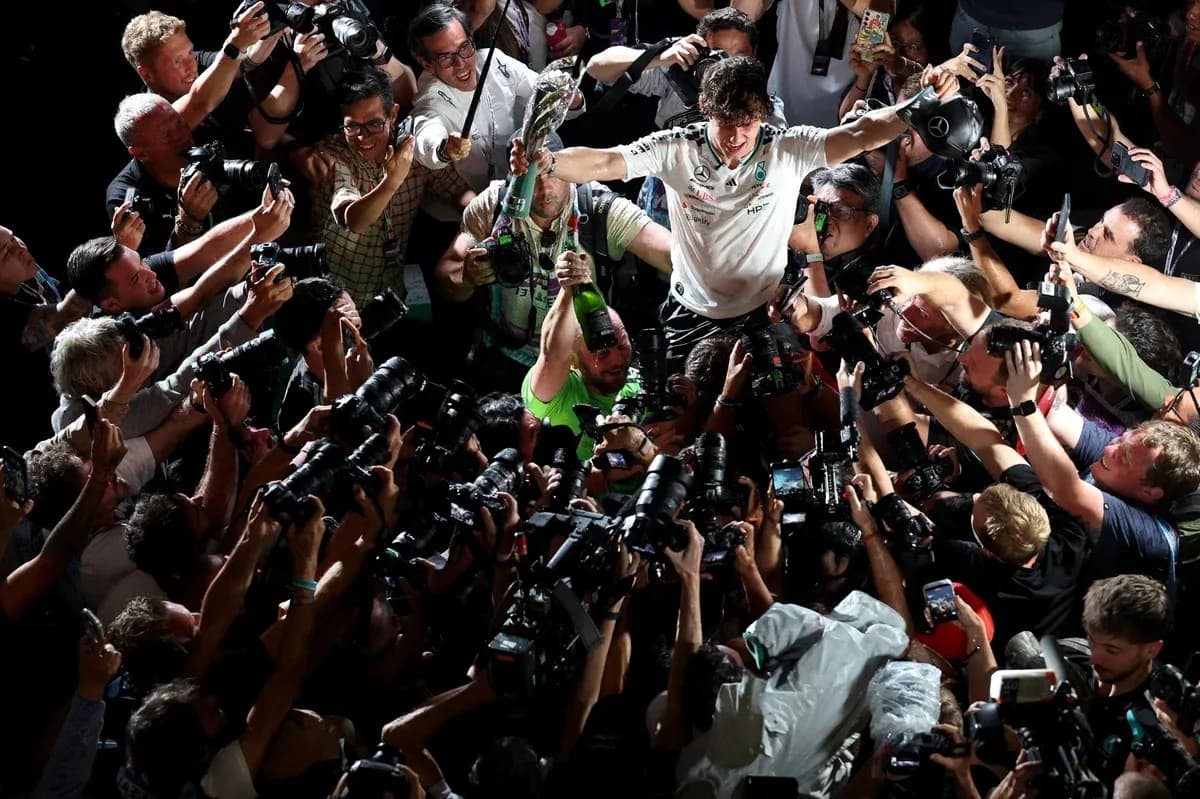
Bougeard, who saw the messy‑haired teenager in the blue cap climb into an F1 car for the first time, prefers the whole arc. From crashing and apologising to lifting the biggest prize of all in Mexico City in what feels like the blink of an eye. Talent was never in doubt. This speed of ascent was.
Still a kid, now a world champion
Perhaps Bougeard captures Antonelli best with one simple line: it’s difficult not to like him. Even on the days when you think you’ve had enough of his teasing, one look at him and your mood changes. He jokes, he pokes, he winds people up. But you always sense he’s genuinely enjoying himself.
His story is a collection of contrasts. The boy with the wild hair under the blue cap, nervously climbing into an F1 car for the first time. The teenager apologising through gritted teeth after destroying yet another chassis, while his father scolds him and his mother cries. The 20‑year‑old who has just become the youngest world champion in history, still roaming the garage with a can of whipped cream and a wicked grin.
He has grown up. He has learned how to live with pressure, how to lead a team, how to carry the weight of expectation that comes with a Mercedes race seat. What he hasn’t lost is the spontaneity that made those mechanics warm to him in the first place.
They have rebuilt his cars after accidents. They have watched him suffer through dark weekends. They have stood on the pit wall for his first wins, felt their stomachs churn through a title fight that once seemed fanciful, and finally cried with him in Mexico City when the championship became real.
The hugs that night were not just for a trophy. They were for the kid they’d watched grow up in front of them, the driver who turned a garage into a family and then took that family to the top of the world.
The title, in their eyes, is not the end of the story. It’s the moment the real journey with Kimi Antonelli truly begins.