AC Milan vs Juventus: Tactical Stalemate in Serie A
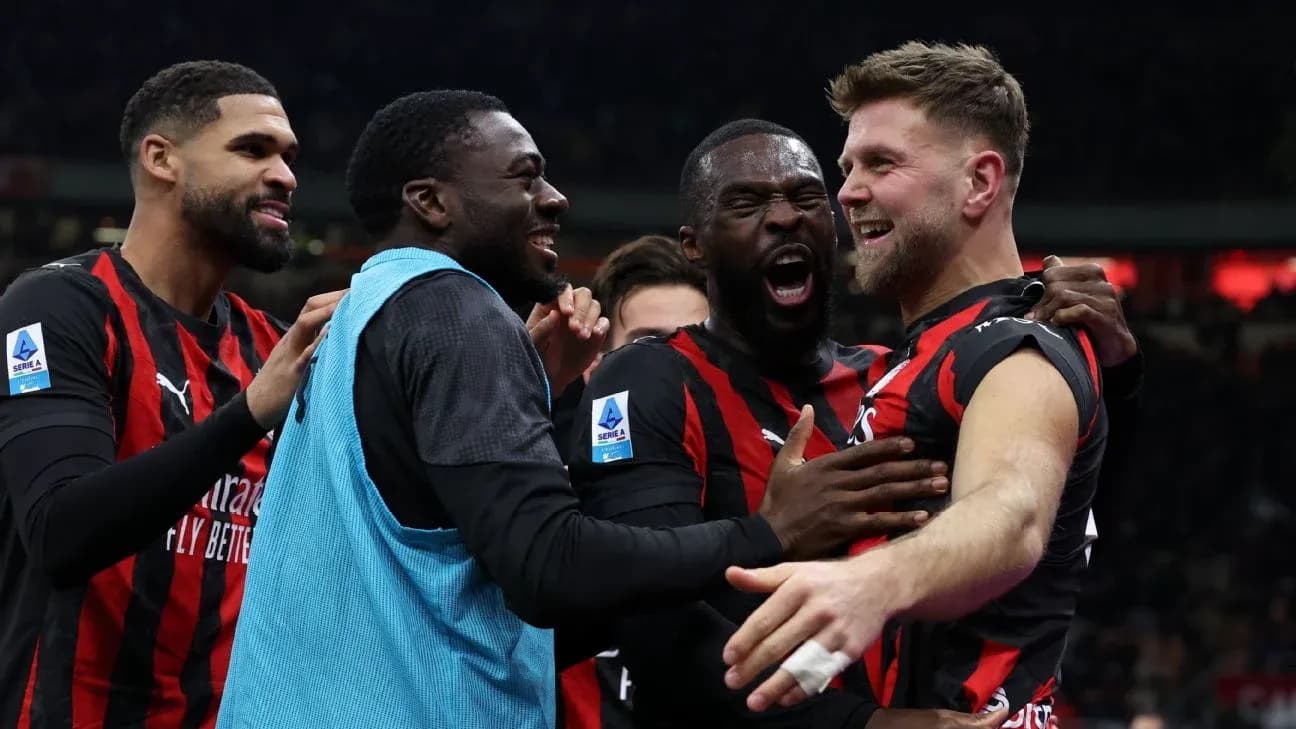
AC Milan 0–0 Juventus at Stadio Giuseppe Meazza, a stalemate that keeps the battle for the Serie A podium finely balanced. Milan stay marginally ahead in the table, preserving their three-point cushion over Juventus in the race for Champions League seeding, but neither side lands the decisive blow that could have reshaped the run-in.
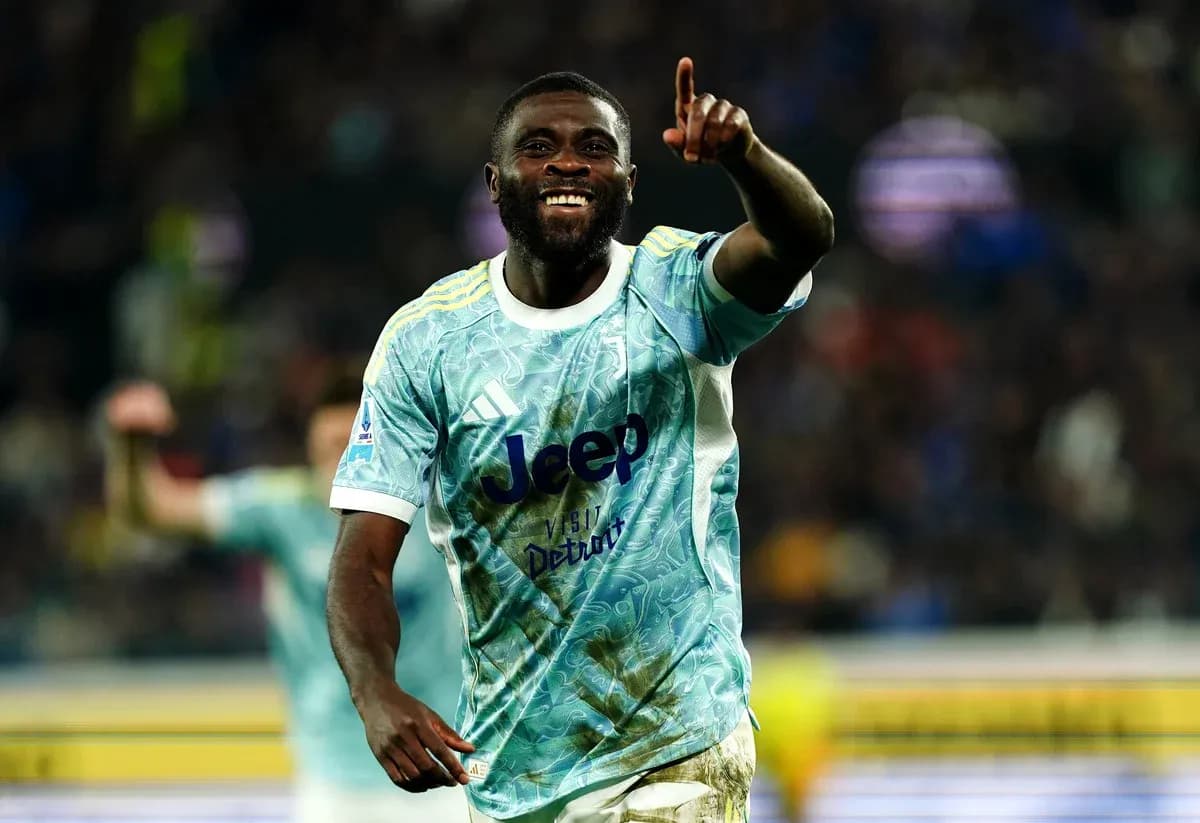
Juventus carried the first notable edge in aggression, and their early pressure produced the game’s first disciplinary moment on 20 minutes when Andrea Cambiaso was booked for holding, halting a Milan transition down the flank. The visitors thought they had made that momentum count in the 36th minute: Khéphren Thuram finished a move only for VAR to intervene and rule the goal out for offside, a crucial turning point that kept the scoreline level and underlined how thin the margins were in a tight tactical contest.
Milan’s response brought more bite than incision. In the 38th minute Davide Bartesaghi collected a yellow card for roughing, a reflection of the home side’s need to disrupt Juventus’s rhythm rather than any sustained attacking fluency before the interval.
Massimiliano Allegri moved first at half-time, reshaping his left flank. At 46 minutes Pervis Estupiñan replaced Davide Bartesaghi, adding more natural width and thrust on the outside. The change was followed by a more attacking adjustment just after the hour: at 62 minutes Niclas Füllkrug replaced Christian Pulisic, giving Milan a more orthodox reference point up front. Five minutes later, at 67 minutes, Samuele Ricci replaced Youssouf Fofana in central midfield, aiming to freshen Milan’s build-up and pressing intensity.
Luciano Spalletti responded with a double substitution on 71 minutes to regain control of the wide areas and midfield balance. Emil Holm replaced Andrea Cambiaso on the right, while Teun Koopmeiners replaced Khéphren Thuram, adding more composure and distribution from deeper positions. The game briefly became more fractious: on 72 minutes Jeremie Boga was shown a yellow card for holding, stopping a Milan counter as spaces began to open.
Milan’s new left-back Estupiñan then went into the book himself on 75 minutes for tripping, another sign of how often Juventus were able to attack down that corridor despite Allegri’s adjustments. With the match still goalless heading into the final 10 minutes, Milan rolled the dice with a double change in the 80th minute: Christopher Nkunku replaced Rafael Leão, and Ardon Jashari replaced Luka Modrić, injecting fresh legs and dribbling threat between the lines but at the cost of Modrić’s control.
Juventus mirrored that wave of changes immediately. Also on 80 minutes, Kenan Yıldız replaced Jeremie Boga and Edon Zhegrova replaced Francisco Conceição, giving Spalletti more directness and one‑v‑one ability in the final third. As the tension rose, Manuel Locatelli received a yellow card for tripping in the 86th minute, a tactical foul to halt another Milan break. Juventus made one last attacking switch on 88 minutes, with Dušan Vlahović replacing Jonathan David to offer a more traditional penalty-box presence, but despite the late reshuffle neither side could find a decisive chance and the match closed at 0–0.
Fixture Statistics & Tactical Audit
- xG (Expected Goals): AC Milan 0.61 vs Juventus 0.48
- Possession: AC Milan 47% vs Juventus 53%
- Shots on Target: AC Milan 1 vs Juventus 5
- Goalkeeper Saves: AC Milan 5 vs Juventus 1
- Blocked Shots: AC Milan 2 vs Juventus 2
The numbers point to a marginally more assertive Juventus, but not to a clear injustice in the final score. Juventus edged possession (53%) and registered more shots on target (5 vs 1), forcing Mike Maignan into five saves that matched the visitors’ on-target tally and underlined Milan’s reliance on their goalkeeper and back three. Milan, however, generated a slightly higher xG (0.61 vs 0.48), suggesting that while they created fewer efforts, the quality of their best chances was comparable or marginally superior. With both sides limited to sub‑1.0 xG and each blocking two shots, the draw reflects a match defined by defensive structure and risk management rather than sustained attacking pressure from either team.
Standings Update & Seasonal Impact
AC Milan began the day on 67 points with 48 goals scored and 27 conceded (goal difference +21). The goalless draw adds one point but no goals, moving them to 68 points with 48 goals for and 27 against, maintaining a goal difference of +21 and consolidating third place in the Serie A table.
Juventus started on 64 points with 57 goals scored and 29 conceded (goal difference +28). Their point in Milan lifts them to 65 points, with goals for and against unchanged at 57 and 29, preserving a goal difference of +28 and keeping them fourth. The gap between the sides remains three points, leaving the Champions League race finely poised but with Milan still holding the upper hand in the battle for higher seeding.
Lineups & Personnel
AC Milan Actual XI
- GK: Mike Maignan
- DF: Fikayo Tomori, Matteo Gabbia, Strahinja Pavlović
- MF: Alexis Saelemaekers, Youssouf Fofana, Luka Modrić, Adrien Rabiot, Davide Bartesaghi
- FW: Christian Pulišić, Rafael Leão
Juventus Actual XI
- GK: Michele Di Gregorio
- DF: Pierre Kalulu, Bremer, Lloyd Kelly
- MF: Weston McKennie, Manuel Locatelli, Khéphren Thuram, Andrea Cambiaso
- FW: Francisco Conceição, Jeremie Boga, Jonathan David
Expert's Post-Match Verdict
This was a match where both managers prioritised control over chaos, and the data backs that up. Allegri’s Milan were solid rather than expansive, limiting Juventus to 0.48 xG despite conceding five shots on target, with Maignan’s clean handling and positioning ensuring those efforts remained low‑quality (5 saves vs 5 shots on target). Milan’s own attacking output was modest (0.61 xG, 1 shot on target), reflecting a game plan that leaned heavily on transitions and wide overloads rather than sustained pressure.
Spalletti’s Juventus showed slightly greater fluency in possession (53% and 91% pass accuracy) and more consistent territorial control, but their inability to convert that into high‑value chances underlined a lack of cutting edge between the lines. The disallowed goal for Thuram was the closest they came to breaking Milan’s structure, and even a late switch to Vlahović could not tilt the shot quality in their favour. In tactical terms, it was a defensive success for both coaches and an attacking stalemate: disciplined structures, effective pressing, but ultimately a cautious contest where the 0–0 is well supported by the underlying numbers (combined xG barely above 1.0).