Carlo Ancelotti's Bold New Era with Brazil
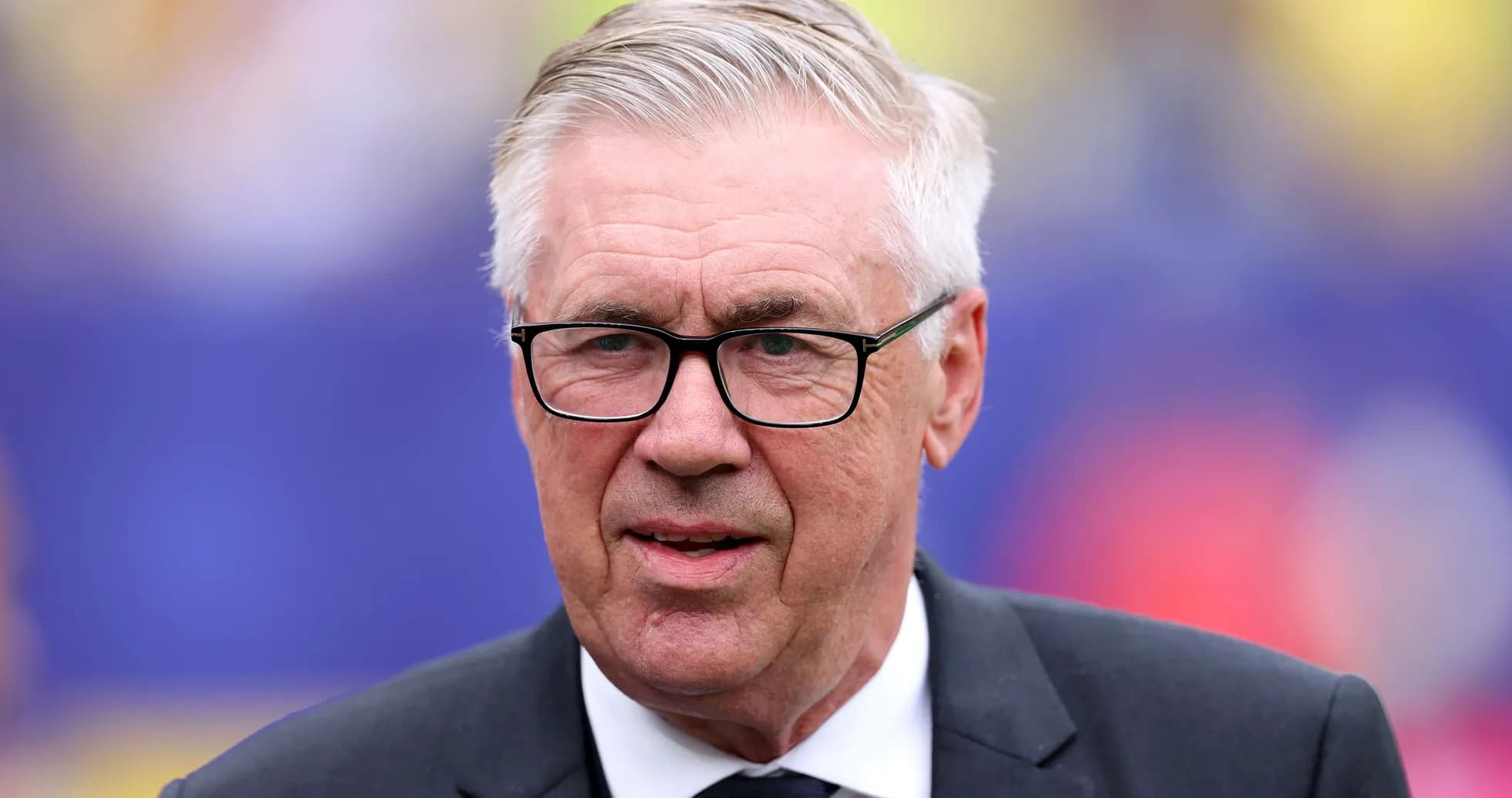
Carlo Ancelotti has torn up the old script and started again with Brazil.
Stung by a miserable World Cup and a shock round-of-16 exit to Norway, the Italian has responded not with tweaks, but with a full-scale reset. The latest squad for friendlies against Australia and India is young, bold and ruthless in its omissions.
Big names out, new era in
The headline is brutal: Alisson is out.
Liverpool’s long-time No 1, one of the few untouchable figures in recent Brazil squads, has been left at home. He is not alone. Casemiro and Fabinho, pillars of the midfield for the best part of a decade, are also missing. Neymar, of course, is absent after calling time on his international career.
This is not a quiet phasing out. It is a line in the sand.
Ancelotti is sticking to a promise he made in the raw aftermath of that defeat to Norway. He vowed change. Now he is building around players eligible for the 2028 Olympic Games, using that age bracket as the foundation for a team he hopes will peak at the 2030 World Cup.
“The World Cup was a disappointment for us and for me personally,” he admitted, speaking to ESPN. “The pain of the defeat lingers much longer. Now, however, we are motivated by the fact that we have time to prepare for a new cycle and get ready for the upcoming competitions.”
The pain has become a plan.
Alisson out, new keepers in
Nothing underlines the reset more than the goalkeeping department.
“We know Alisson very well,” Ancelotti said. “And when the competitions, like the Copa America, come, if he remains being the best goalkeeper in Brazil, Alisson will play. Right now, however, we have to prioritise the younger ones.”
So Hugo Souza, Pedro Morisco and Otavio get their chance. No safety net, no veteran presence behind them. Ancelotti is prepared to live with their growing pains now to reap the rewards later.
Youth, with a spine of stars
This is not a kids-only experiment, though. He has kept a hardened core to carry the shirt’s weight.
Vinicius Junior stays. So does Raphinha. Between them and Chelsea forward Joao Pedro – recalled after missing the World Cup – Brazil’s attack still has experience, Champions League pedigree and edge.
At the back, Paris Saint-Germain captain Marquinhos remains the reference point, while Arsenal’s new midfield leader Bruno Guimaraes is tasked with steering a completely refreshed engine room.
“I chose these players to help with this change in direction,” Ancelotti explained. “They are crucial for the future and will help the younger players improve. One thing is certain: a player who is 34 or 35 years old isn’t the future; they are the present. If a player of that age is ready to play in a major tournament, they will be in the national squad.”
The message is clear: age alone will not shut the door, but reputation no longer guarantees a place.
The new faces carrying Brazil forward
The squad list underlines just how deep this reset goes.
In defence, Arthur Dias, Wesley, Gabriel Magalhaes, Douglas Santos, Jair, Matheuzinho, Maurio Junior and Vitor Reis will compete around Marquinhos for minutes and hierarchy.
In midfield, Bruno Guimaraes leads a group that includes Andrey Santos, Danilo Santos, Douglas Luiz, Breno Bidon and Gabriel Bontempo – a blend of emerging talent and players already making their mark in Europe.
Up front, the excitement is obvious. Endrick, already earmarked as Brazil’s next great No 9, is joined by Joao Pedro, Estevao, Pedro, Raphinha, Rayan, Samuel Lino and Vinicius Junior. It is a forward line built for speed, versatility and long-term continuity.
Names that once felt like the distant future now form the present.
Australia, then history in India
The first test of this new-look Brazil comes in Australia.
The Selecao will face the Socceroos in a double-header of friendlies, starting in Townsville on September 25 and continuing in Brisbane four days later. These are more than just exhibition matches; they are live auditions for a generation being asked to grow up quickly in the famous yellow shirt.
Then comes something different altogether.
On October 3, Brazil will travel to Kolkata to play their first ever match in India. For a country that has worshipped Brazilian football from afar for decades, it will be a landmark moment. The five-time world champions will step into a stadium packed with supporters who have only ever known them through television, legends and late-night World Cup broadcasts.
A new cycle, a new squad, a new continent to conquer. The rebuild has started. Now the question is simple: how quickly can this Brazil become Brazil again?