Andrey Santos: Balancing Brazil’s Praise and Manchester’s Pressure
Andrey Santos has just lived through the split-screen reality of the modern elite footballer.
On one side of the world, in Singapore, he walked off the pitch to warm words and respectable ratings in the Brazilian press after a composed display in a 3-2 defeat to Japan. On the other, back in Manchester, his price tag and his place in the squad are being dissected as a symbol of a recruitment department under fire.
Calm amid Brazil’s chaos
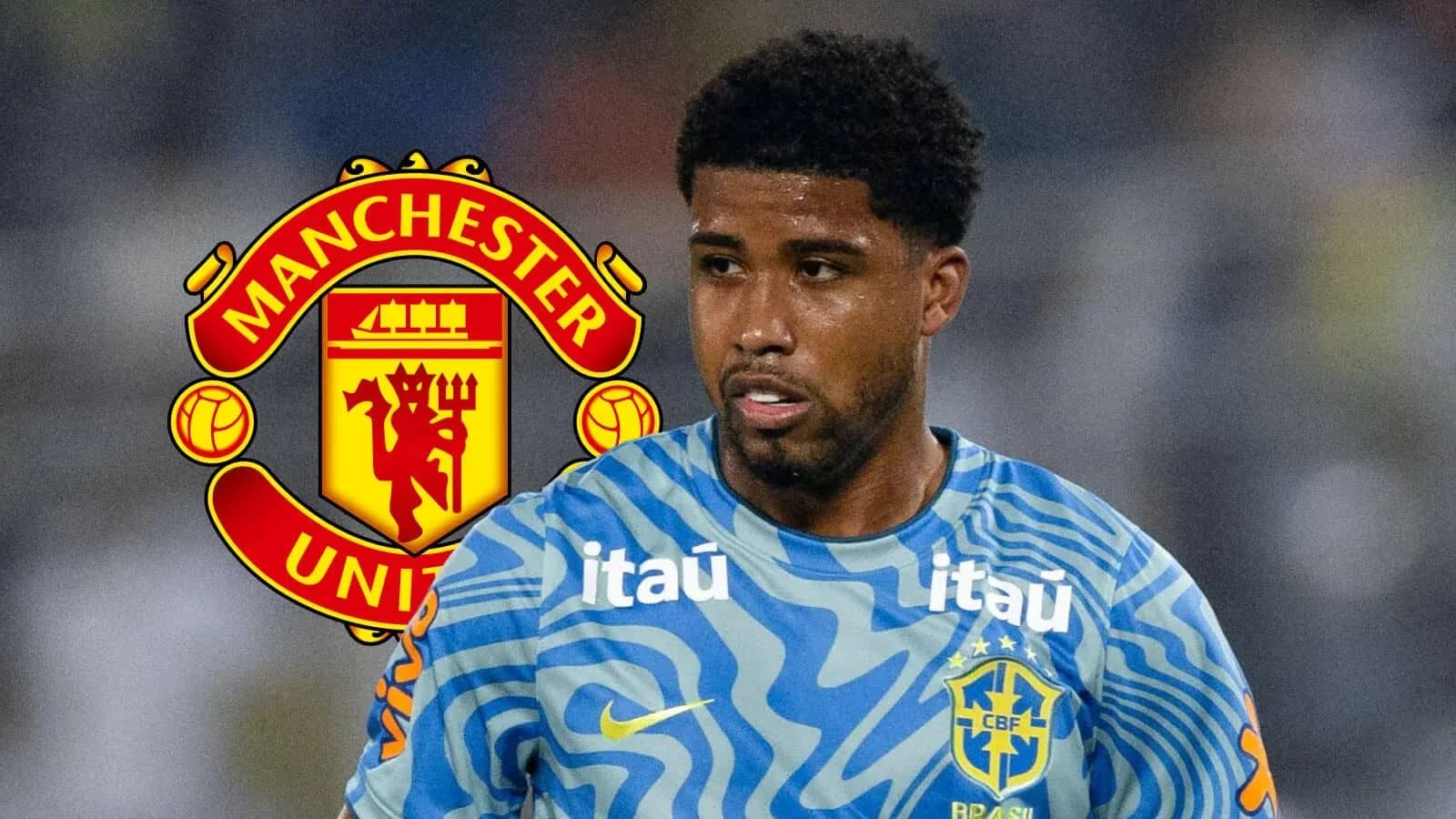
At the National Stadium in Singapore, Carlo Ancelotti trusted Santos from the start, dropping the Manchester United midfielder into the heart of a 4-3-3. Brazil lost. The performance of their No. 8, though, told a different story.
Santos, 22, lasted 78 minutes before Joao Gomes replaced him. In that time he took a single shot, off target, and didn’t fashion a chance. The numbers that mattered came without fanfare: 95.2% passing accuracy, one tackle, steady positioning in front of the back line.
Brazil finished with 10 men after Raphinha’s late dismissal and left with a result that will sting. Even so, the national media picked out Santos as one of the few who held his nerve.
Globo handed him a 6 out of 10 and described him as “one of the most consistent players on the field,” highlighting how he “fulfilled his role well in defensive combat, protected the edge of the penalty area effectively, and tried to circulate the ball when Brazil sought space in offensive plays.”
Tribunadoagreste went slightly lower with 5.5, but the tone was similar: “More focused on marking, he gained the upper hand in duels. A discreet performance, but without compromising the team.”
Nothing spectacular. Nothing disastrous. Just a young midfielder doing his job in a high-pressure shirt.
A £50m question at Old Trafford
That kind of quiet competence would usually buy time at club level. The problem for Santos is the number attached to his name.
Manchester United paid Chelsea a total of £50 million for him in the summer, a deal driven by director of football Jason Wilcox. It is a fee that now sits under a harsh spotlight.
Under Michael Carrick, sacked this week after a stuttering start to the season, Santos never truly imposed himself. Four Premier League starts, two in the Champions League, and little to suggest he had become the midfield answer United desperately needed. Encouraging flashes, yes, but not enough to drown out the noise around the price.
The Athletic reported on November 3 that Chelsea internally valued Santos at roughly half of what United eventually paid. According to the publication, some at Stamford Bridge felt Wilcox had effectively doubled the player’s market worth.
Inside Old Trafford, the deal has become part of a wider debate. The Athletic detailed concerns from within the club about recruitment strategy, highlighting that if Wilcox had pushed for another target, Anderson, and he had been injured, United could have been left with a weaker squad than last season because of limited cover. That scenario has already played out at left-back, with Patrick Dorgu, Luke Shaw and Noussair Mazraoui all suffering injuries.
Santos’s name sits in that context. “Others have questions about the quality of signings, including Andrey Santos joining for £50m,” the report noted, adding that “some people close to Chelsea regarded the 22-year-old as worth half that price.” His mobility in midfield alongside Youri Tielemans, it was suggested, does not quite match what United’s structure actually requires.
So a Brazil international with decent ratings suddenly becomes, in Manchester terms, a case study.
Pochettino inherits a dilemma
Mauricio Pochettino now walks into this storm. Appointed as United’s new head coach, he inherits a squad built by several different hands and philosophies, with Santos one of the most contentious pieces.
The Argentine has a track record of moulding young midfielders, of sharpening their intensity and giving them clear roles. If anyone at Old Trafford can turn a £50m question mark into a functioning pillar of the side, it is probably him.
The task is clear. Pochettino must decide whether Santos is a tempo-setter he can trust, or an ill-fitting part bought at a premium during a muddled window. The Brazilian’s display against Japan showed discipline, awareness, and a willingness to do the dirty work. United, though, did not spend that kind of money for “discreet, but without compromising the team.”
They paid for impact.
Brazil’s media saw a player who did his job. United’s board, and a restless fanbase, now wait to see whether that job can ever justify the fee in the unforgiving light of the Premier League.