Arsenal's Champions League Final Journey: Arteta Reflects on Historic Night
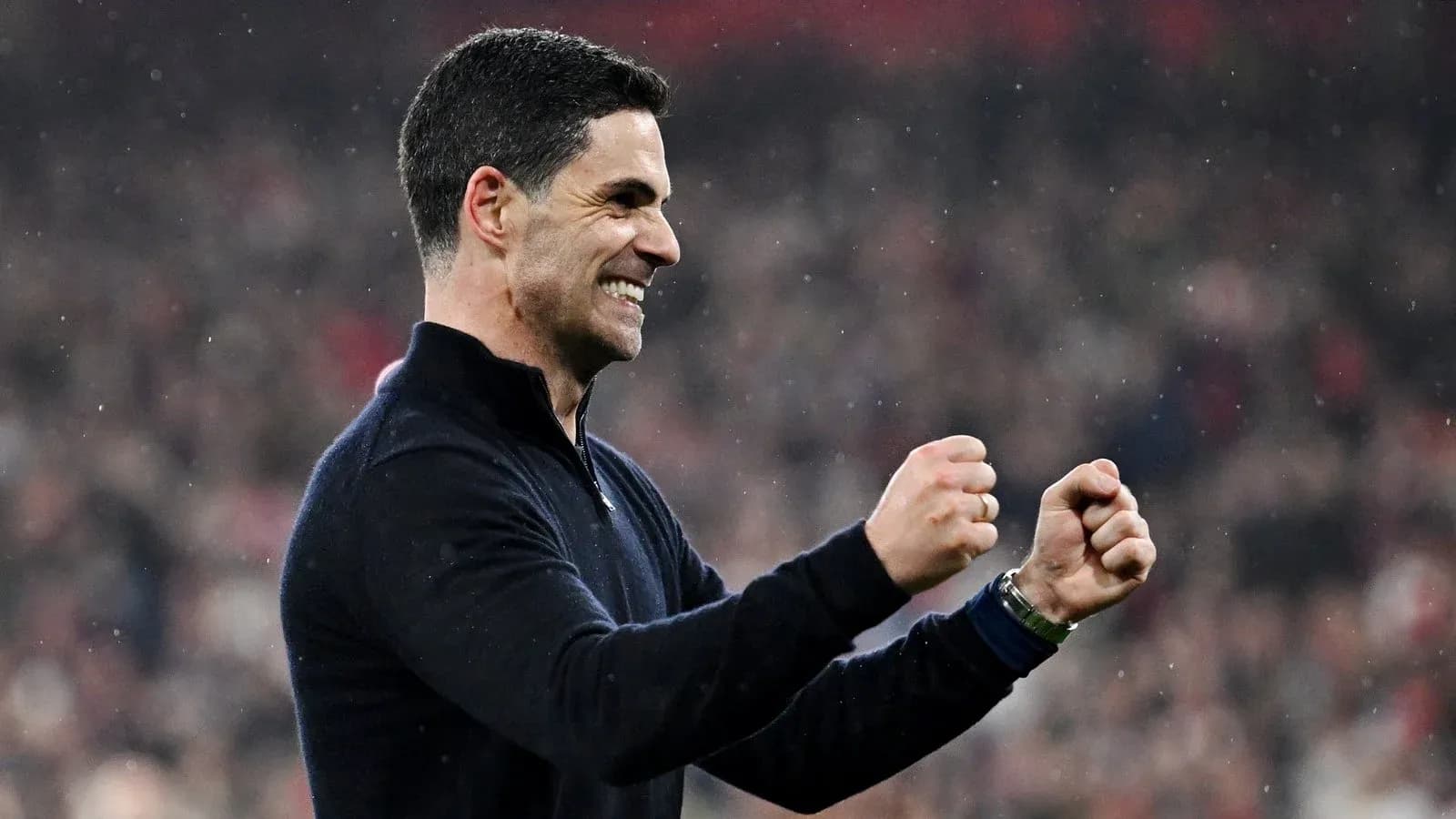
Mikel Arteta walked into the press room with the look of a man who understood exactly what had just happened. Not just a 1-0 win over Atletico Madrid. Not just a place in Budapest. A night that shifts the club’s modern history.
After 20 years, Arsenal are back in a Champions League final. Only the second time ever. Arteta knew the scale of it, and he did not hide it.
“It’s an incredible night. We made history again together,” he said, still riding the surge of emotion. Pride poured out of him – for his players, for his staff, for the people outside the stadium who had turned the evening into something more than a football match.
A club carried by its crowd
What struck him most was not the tactical battle, not the narrow margins against an Atletico side he described as “incredible”, but the human noise that wrapped around the tie.
The scenes outside the ground before kick-off. The roar with every tackle. The way the stands seemed to live each ball with the players.
“The atmosphere that our supporters created, the energy, the way they lived every ball with us, it made it special and unique. I never felt that in the stadium,” Arteta admitted. For a manager obsessed with control and detail, this was one night where the emotion of the occasion overwhelmed even him.
He spoke about understanding, in real time, what it meant to people. You can plan for a “beautiful night”, he said, but it only becomes real when you look someone in the eye and see that expression – that mix of relief, disbelief and joy. That, for him, is when the job makes sense.
Margins against masters of the margins
Arteta did not downplay the scale of the task Arsenal had just overcome. Atletico Madrid, he reminded everyone, live for these nights.
“We know how difficult and challenging every opponent is at this level. [Atletico] are an incredible team. The way they compete, the solution they have, the answer they have to everything you try to do to them immediately. It’s incredible.”
He called their work “outstanding” and returned to a familiar theme in knockout football: the margins. This time, they tilted Arsenal’s way. Just enough. Just once. That was all it took to send them to Budapest, where Bayern Munich or Paris Saint-Germain await.
Gut over graphs
Team selection for a game like this can consume a manager. Arteta admitted as much. His iPad had been filled with versions of the XI – changed, flipped, tweaked, reworked. Different shapes, different finishers, different scenarios.
In the end, he trusted his instinct. He kept the same line-up that had impressed him against Fulham.
“In the end it was my gut feeling. I had such a good feeling from what I saw a few days ago against Fulham,” he said. It came at a cost. Important players were left out of the starting side. That hurt him, he admitted. They all wanted to be involved from the first whistle in a game like this.
But he pointed to the “finishers”, as he calls them, and how they came on with purpose and intensity, helping to drag Arsenal over the line. The modern game is a 16-man effort; this semi-final felt like a perfect example.
Family first, then the badge
When the final whistle went and the noise crashed around him, Arteta’s mind did not immediately jump to tactics, legacy or even Budapest. It went home.
“The order was immediately my wife, my kids, my parents, my sister and then all the people involved at the club,” he revealed. The personal and the professional collided in that moment.
He spoke about those times when the grind of elite football makes it hard to remember why you do it. The endless analysis, the pressure, the days when nothing seems to work. Nights like this, he said, make all of it worth it.
From European doubt to European nights
Arteta did not shy away from how far the club have travelled since he walked through the doors. Arsenal’s European standing had dimmed. The path back has been “very tough and difficult”, in his words.
What changed? Alignment. Desire. Ambition. The club pulled in the same direction, and then came the other ingredient every great run needs: a little luck at the right time.
“We put obviously so much work, passion and belief into what we do and today we got rewarded to have an incredible day in Budapest in a few weeks,” he said. That reward is not just the final itself, but the restoration of Arsenal among the continent’s elite.
A new standard, not a one-off
For Arteta, the atmosphere cannot be a one-night phenomenon. He called it a box ticked – and then immediately set the next demand.
“That box is ticked now, now we have to maintain it,” he insisted. A club that wants to “be fighting consistently for the highest trophies” has no choice. This level of noise, this level of energy, must become normal.
The message was clear: this is not the destination. This is the standard.
Enjoy it – then on to West Ham
Arteta has long preached emotional control. The highs cannot be too high, the lows cannot be too low. Even on a night like this, he clung to that principle.
“The high is not too high, the low is not too low, my job is to be quite stable,” he said. He will enjoy it, he promised. The players and staff will too. But only for a moment.
Tomorrow, preparation begins for West Ham. A “really tough” league game, four days away, in a season that now has the potential to become truly historic.
Players who finally believe
The manager pushed the credit firmly onto his squad. He can guide, cajole, clarify. He can give them “love” and a clear idea of what matters most – being competitive, giving themselves the chance to win the trophies they are chasing.
But he cannot play.
“It’s down to them,” he said simply. They are the ones who had to deliver these performances under the brightest lights. They are the ones who had to absorb setbacks, live through the difficult days that elite sport always brings, and keep working until the reward arrived.
“It’s an incredible group of players and staff,” he added. The last few weeks, he argued, have been proof of what happens when that work finally clicks into place.
Now comes Budapest. Bayern Munich or Paris Saint-Germain. A final that will test everything Arsenal have built under Arteta – belief, structure, resilience, and that newly rediscovered sense of belonging on Europe’s biggest stage.