Arsenal Chase Champions League Glory in Budapest
Arsenal arrive in Budapest with the title already in their pockets and a shot at immortality in front of them.
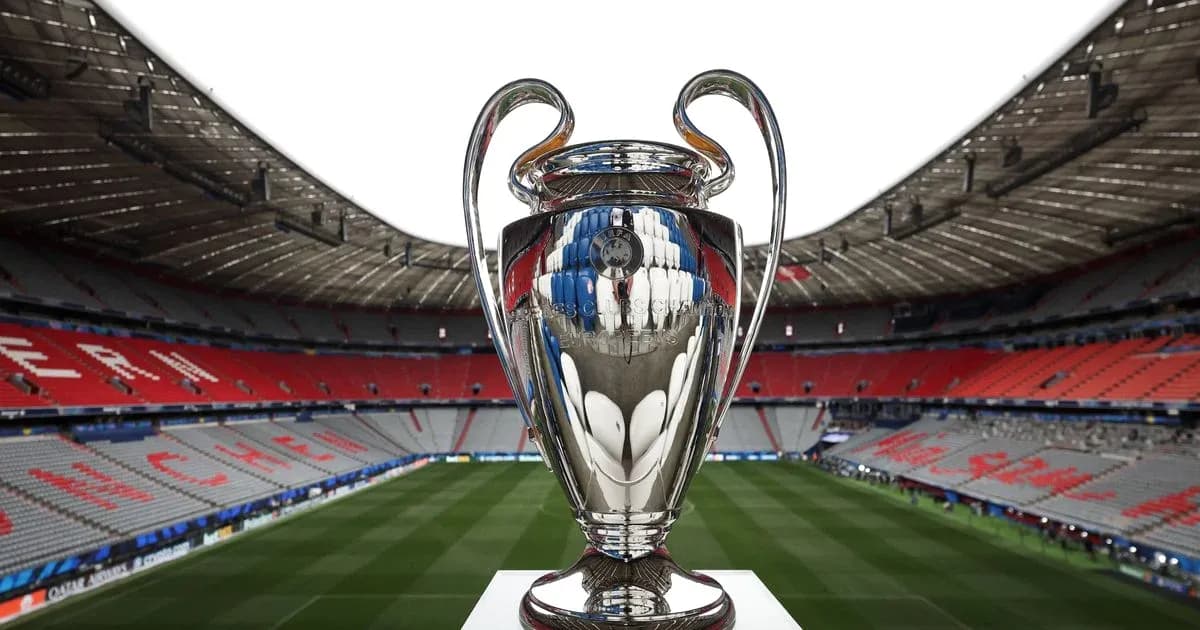
On Tuesday night they settled the Premier League race. On Saturday, May 30, at the Puskás Aréna, they chase the one prize that has always eluded them: a first Champions League crown. A domestic champion with a European itch to scratch.
Across the halfway line stand the holders. Paris Saint-Germain, kings of last season’s competition, stride into Hungary as favourites with the bookmakers. bet365 make them 5/4 to win in 90 minutes, and 4/6 to lift the trophy by any means. Arsenal are out at 21/10 to do it in normal time, 6/5 to be the ones holding the cup when the confetti falls. The draw after 90 is 12/5. On paper, a tight, tactical final. On grass, a night that could tilt the club’s history.
Pressure released, belief unleashed
For years, Arsenal’s great question has been simple and brutal: can they actually finish the job? Could they turn promise into medals, attractive football into hard metal?
This season they answered. The Premier League title changed everything.
The Champions League is no longer a lifeline to respectability, or the only way to validate Arteta’s project. The squad fly to Budapest as champions of England, not as anxious pretenders. That matters. The tension has eased, shoulders have dropped, and a different kind of energy has taken hold.
That domestic triumph gives them something PSG cannot replicate: the feeling of having just crossed one mountain and seeing another, even higher, within reach. Momentum, once it starts rolling, can flatten the most established powers. Arsenal now carry that force with them, and it gives them a psychological edge they simply did not own a year ago.
PSG remain the benchmark in this competition. They know how to navigate these stages, how to suffer, how to win. But Arsenal’s internal conversation has changed. The doubts about whether they can land “big trophies” have been interrupted by cold, hard evidence. They have one. They want a second. Quickly.
Eze, Gyökeres and the cutting edge Arteta craved
Arteta did not bring Eberechi Eze to north London to decorate the squad. He brought him for nights exactly like this.
Eze has already scored in a cup final in his career and has become one of the pillars of this campaign. He offers something few in Europe can match: the ability to drift into space, see a gap from distance and punish it with a strike that ends arguments. Against a side like PSG, who often control the penalty area ferociously, that threat from range can break open a suffocating game.
Then there is Viktor Gyökeres, the embodiment of Arsenal’s new ruthlessness. Twenty-one goals this season, a centre-forward who does not just occupy defenders but harasses them, drags them into uncomfortable zones and refuses to let them breathe. His form has been so relentless that, despite Kai Havertz scoring the goal that sealed the Premier League against Burnley, Gyökeres is widely expected to lead the line in Budapest.
Arsenal sides of old were accused of overplaying, of looking for the perfect goal. This version has teeth. Eze between the lines, Gyökeres on the shoulder, runners from deep. That is the cutting edge Arteta has spent years assembling.
A defensive gamble against Kvaratskhelia
All of that attacking promise sits on top of a problem Arteta would rather not have.
Ben White is out of the final. His absence rips a hole in the structure that has underpinned Arsenal’s season. White’s blend of defensive nous, athleticism and understanding of the system has been central to how they control wide areas and build from the back. Without him, the entire right side needs to be reimagined.
Inside the camp, much hope has been pinned on Jurriën Timber. Not just as a stop-gap, but as a high-level solution. Timber is that good: calm on the ball, aggressive in duels, versatile enough to shift roles within a game. Yet the signs around his fitness are not encouraging. Arsenal may have to roll the dice without him.
That points towards Cristhian Mosquera. A centre-half by trade, the Spaniard has shown real promise this year, stepping into senior football with composure and presence. He reads the game well, wins his battles, and has not looked out of place.
This will be different. On his flank, or darting inside from it, waits Khvicha Kvaratskhelia, one of the most explosive wingers in Europe. Kvaratskhelia isolates defenders, toys with them, then rips past with a change of pace that breaks matches open. For Mosquera, it will be an examination of every defensive instinct he owns.
Arteta’s “high-stakes tactical gamble” is not a luxury choice. It is enforced, and it will shape the match. Get that duel right, and Arsenal can keep the game in the areas they want. Get it wrong, and PSG’s champion pedigree will punish them.
Havertz, the man for late drama
Finals rarely stay within 90 minutes. They stretch, fray and drift into extra time, where tired legs and clear minds matter more than any pre-match plan.
That is where the bench becomes decisive. Arsenal’s standout weapon in reserve is Kai Havertz.
He knows this stage intimately. He has already scored in a Champions League final once in his career and has a habit of turning up when the stakes are highest. This season has been fractured by injury, but his knack for big goals has never really deserted him.
With Gyökeres likely to start, Havertz is poised to become the game-changer, the player Arteta can unleash when spaces appear and defenders lose concentration. One run, one touch, one finish, and he could write himself into Arsenal folklore forever with a second career goal in this competition’s showpiece.
In a match where margins will be razor-thin, that sort of impact substitute can tilt the entire evening.
Arteta’s legacy on the line
When the final whistle goes in Budapest, Tom Canton’s call is for a classic: 1-0 to the Arsenal. A scoreline that echoes the club’s heritage and would crown their modern rebirth.
Whatever the number on the scoreboard, one truth already stands. Arteta has dragged Arsenal back to “astronomical heights,” back among the European elite, back into nights where the whole continent watches and waits. The scale of that rebuild still does not receive the credit it deserves.
Win the Champions League and his place in the club’s history shifts again. Not just the architect of a title-winning side, but the man who finally carried Arsenal over Europe’s final threshold.
The Premier League is already theirs. Budapest offers something even rarer: the chance to change what Arsenal are, and what they believe they can be, for a generation.