Arsenal Triumphs Over Crystal Palace in 2025–26 Premier League Finale
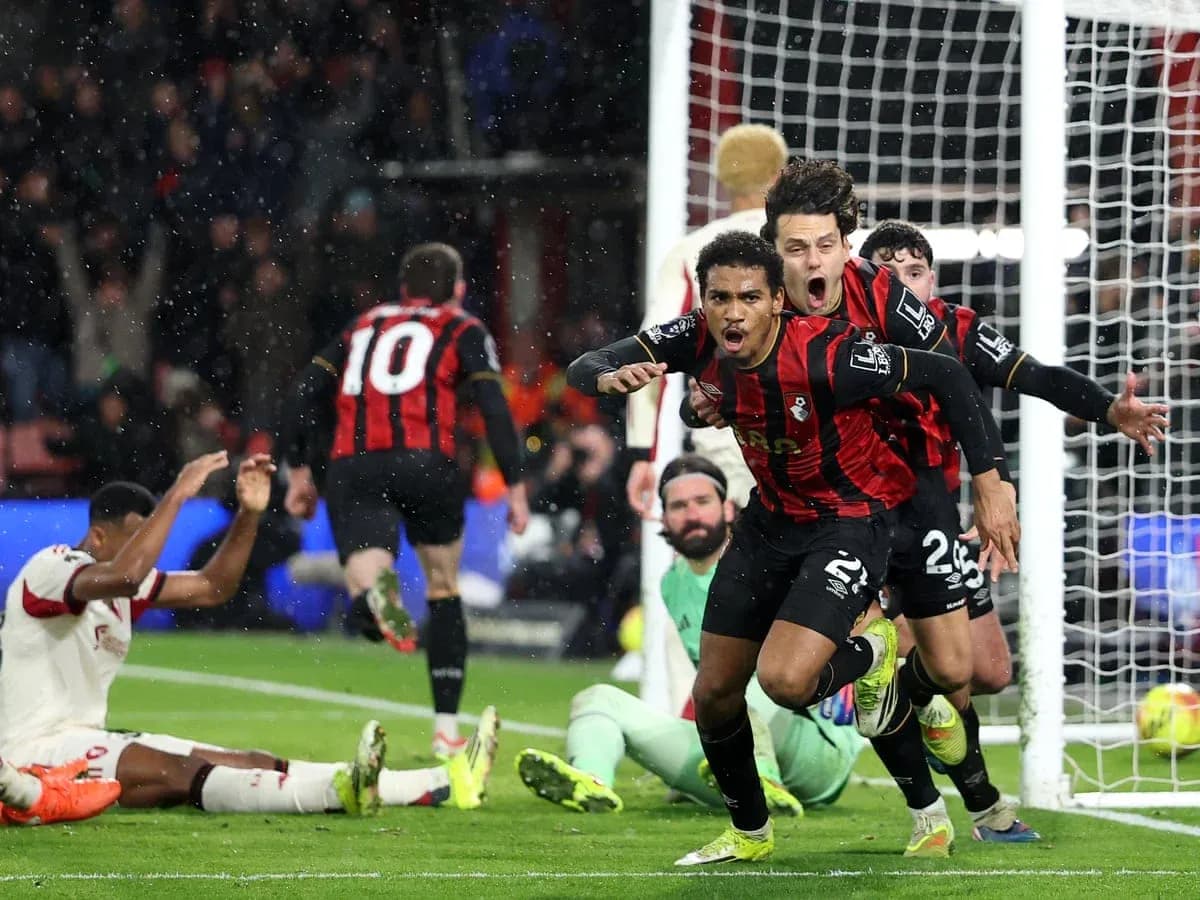
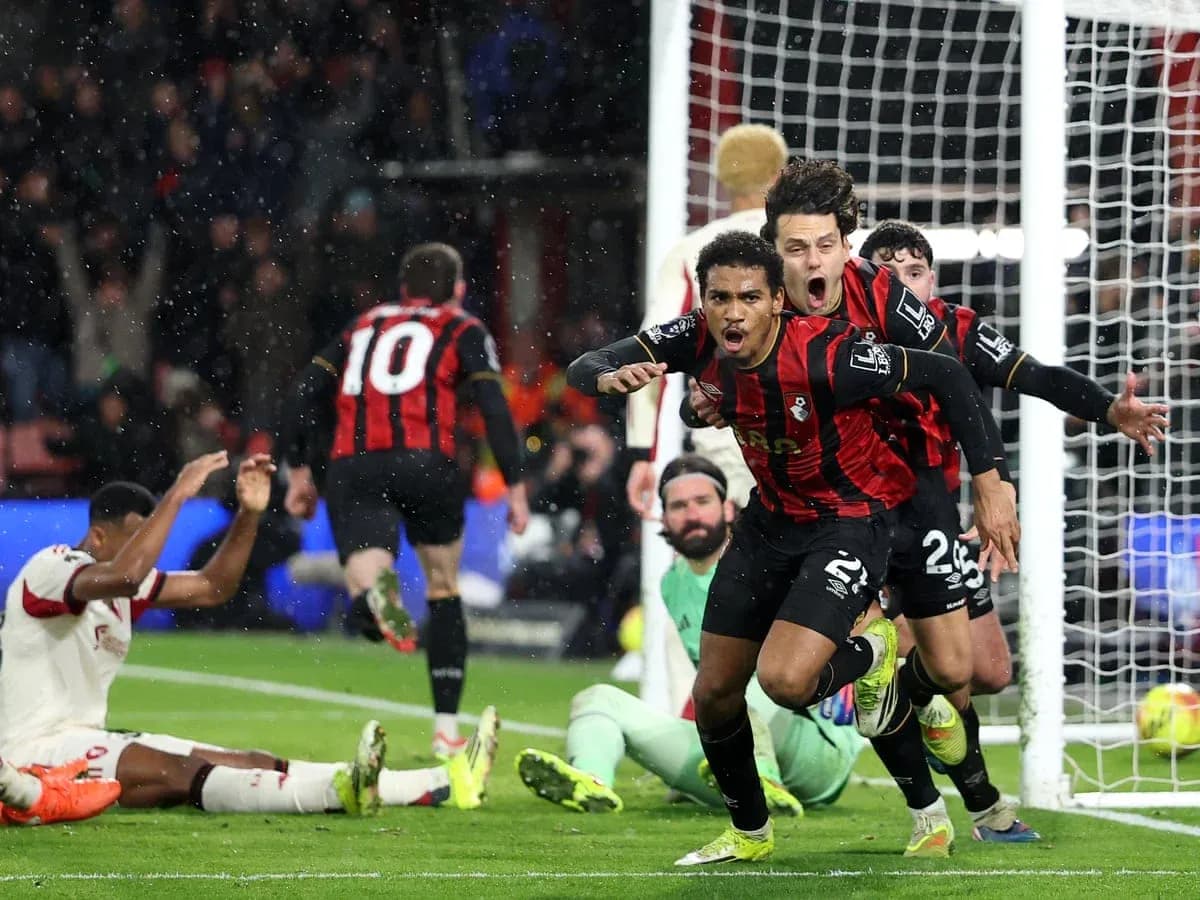
Selhurst Park’s final act of the 2025–26 Premier League season ended with a narrow tilt of the scales. Following this result, Arsenal walked away 2–1 winners, a champions’ performance from the side that finished 1st on 85 points, while Crystal Palace, 15th with 45 points and a goal difference of -10 (41 scored, 51 conceded overall), were left to reflect on what their evolving identity under Oliver Glasner really means against the division’s elite.
I. The Big Picture – Structures and Seasonal DNA
This was a meeting of contrasting footballing philosophies, crystallised in the formations. Palace lined up in their familiar 3-4-2-1, a shape Glasner leaned on in 33 league matches, built around vertical transitions and wing-back aggression. Arsenal, already crowned champions, came in with a 4-2-3-1, a variant of their broader season blueprint that toggled between 4-3-3 (24 times) and this double-pivot structure (14 times).
Across the campaign, Palace were a paradox. In total they averaged 1.1 goals for and 1.3 against per game, a side that could sting but rarely control. Their attacking rhythm peaked between 31-45 minutes, where 30.95% of their goals arrived, and they finished strongly too, with 26.19% coming in the 76-90 range. Yet defensively, that same first-half window was a chasm: 40.00% of their goals conceded came between 31-45 minutes, with another 24.00% late in games. The DNA is clear: Palace live on emotional surges and pay for structural lapses.
Arsenal, by contrast, were ruthlessly balanced. Overall they scored 71 and conceded 27, a goal difference of +44 built on control and timing. Their goals were spread but spiked between 31-45 minutes (25.00%) and 76-90 (22.06%), while defensively they were parsimonious, allowing just 0.7 goals per game in total. Even their vulnerabilities were measured: 33.33% of the goals they conceded came late, in the 76-90 window, often when game states invited risk.
II. Tactical Voids – Absences and Discipline
Both managers had to navigate notable absences that subtly reshaped the contest.
For Palace, the absence of C. Doucoure (knee injury) removed a natural ball-winner and screen in front of the back three. Without him, J. Lerma had to drop into the defensive line, and the midfield double of W. Hughes and D. Kamada became more about circulation than destruction. C. Richards (ankle injury) and B. Sosa (injury) further thinned the defensive options, which is why Glasner trusted a back three of Lerma, N. Clyne, and C. Riad, with D. Munoz and R. Cardines asked to patrol the flanks. The squad list underlined the reliance on flexibility: players like J. Devenny and I. Sarr operating as hybrid forwards in support of J. S. Larsen.
Arsenal had their own defensive voids. J. Timber (ankle injury) and B. White (knee injury) were unavailable, forcing Mikel Arteta into a back four of M. Zubimendi, C. Mosquera, P. Hincapie, and R. Calafiori ahead of K. Arrizabalaga. It was a back line with technical quality but less of the long-standing automatisms that White typically provides on the right.
Disciplinary profiles also framed the tension. In total this campaign Palace collected yellow cards heavily in the 31-45, 46-60, and 76-90 windows (each at 18.42%), suggesting emotional spikes around half-time and in the closing stretch. Their red-card story was defined by M. Lacroix, who across the season picked up 1 red and 4 yellows, and notably blocked 18 shots – an aggressive, front-foot defender whose absence from the starting XI here was as tactical as it was symbolic. Arsenal’s yellows peaked late, with 25.49% in the 76-90 range and 21.57% between 61-75, reflecting a side that often defends leads under pressure but rarely loses control; they finished the league season without a red card.
III. Key Matchups – Hunter vs Shield, Engine Room
The clearest “Hunter vs Shield” narrative hovered over the benches. For Arsenal, V. Gyökeres, with 14 league goals and 3 successful penalties from 3 attempts, has been their most prolific finisher. His presence among the substitutes, alongside K. Havertz and B. Saka, underscored the depth of firepower available to Arteta even when Gabriel Jesus started as the nominal No. 9.
On the other side, Palace’s main season-long hunter, J. Mateta, was also on the bench despite a 12-goal campaign and 4 penalties scored from 4. His physical profile and duels record (292 total, 110 won) would have offered a different problem for Arsenal’s centre-backs, especially against Mosquera and Hincapie, who had to manage Larsen’s movement instead.
In the “Engine Room”, the tactical duel hinged on C. Norgaard and M. Lewis-Skelly for Arsenal against Hughes and Kamada for Palace. Norgaard’s role as a stabiliser in the double pivot allowed Arsenal to maintain their season-long defensive average of just 0.8 goals conceded on their travels, screening transitions and funnelling Palace’s counters into less dangerous channels. Hughes, by contrast, was asked to knit play under pressure, but without Doucoure behind him and with Palace’s wing-backs pushed high, the margins for error were thin.
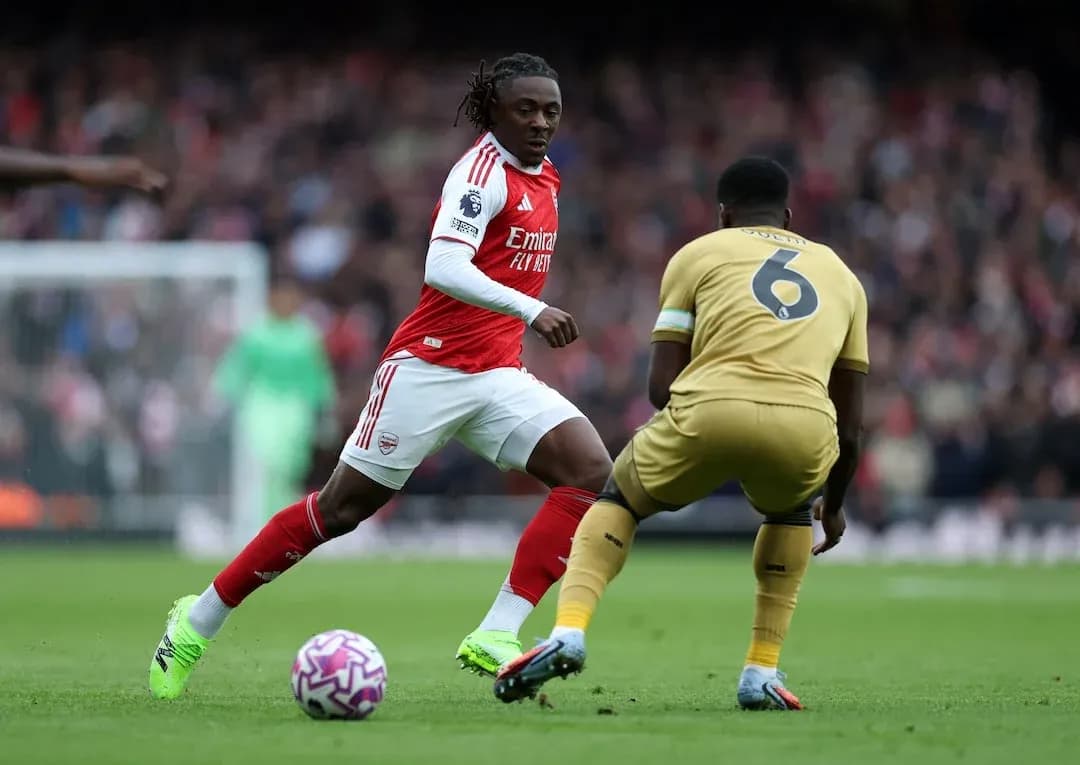
Out wide, G. Martinelli and N. Madueke operated as Arsenal’s primary accelerators. Their timing dovetailed neatly with Palace’s structural weak spots: Arsenal’s offensive spikes between 31-45 and 76-90 minutes overlapped almost perfectly with Palace’s defensive collapses in those same ranges. The 2-1 scoreline ultimately felt like the numerical expression of that asymmetry.
IV. Statistical Prognosis – xG Logic and Defensive Solidity
Even without explicit xG figures, the season data sketches the underlying probability map. Arsenal, with 1.9 goals scored and 0.7 conceded per game overall, and 1.6 scored, 0.8 conceded on their travels, project as a side that typically wins by margins of one or two goals. Palace, at 1.0 scored and 1.2 conceded at home, lean towards tight, low-scoring affairs that can flip on details.
Following this result, the 2-1 away win sits precisely where the season’s numbers would predict: Arsenal’s superior attacking volume and late-game threat, against a Palace side that concedes 40.00% of its goals just before half-time and 24.00% in the final quarter-hour, was always likely to tilt the balance.
In narrative terms, this match felt like a microcosm of both campaigns. Palace’s 3-4-2-1 showed promise, with I. Sarr and J. Devenny buzzing around Larsen and the wing-backs trying to stretch Arsenal’s block, but the absence of Doucoure’s ballast and Lacroix’s defensive authority left them a notch below the champions’ level. Arsenal, rotating yet still fielding a spine of Arrizabalaga, Norgaard, and Gabriel Jesus with creative artillery like Martinelli and Madueke, simply had more layers.
The tactical verdict is clear: Palace are on the right structural path but remain vulnerable in precisely the time zones where elite sides like Arsenal are at their most ruthless. The 2-1 scoreline is not just a result; it is the season’s statistical and tactical logic written across 90 minutes at Selhurst Park.