Arsenal's Ambitious Summer Rebuild After Champions League Loss
The images from Budapest will linger at Arsenal for a long time yet. Players slumped on the turf. Supporters frozen in disbelief. A first Champions League crown, so close they could almost feel the ribbons, snatched away by Paris Saint-Germain on penalties.
But as the dust settles on that agonising night, a different kind of energy is already taking hold at the club: this is not a group planning to bask in the glow of a heroic near-miss. It is a club preparing to sharpen the knife.
Title won, ceiling exposed
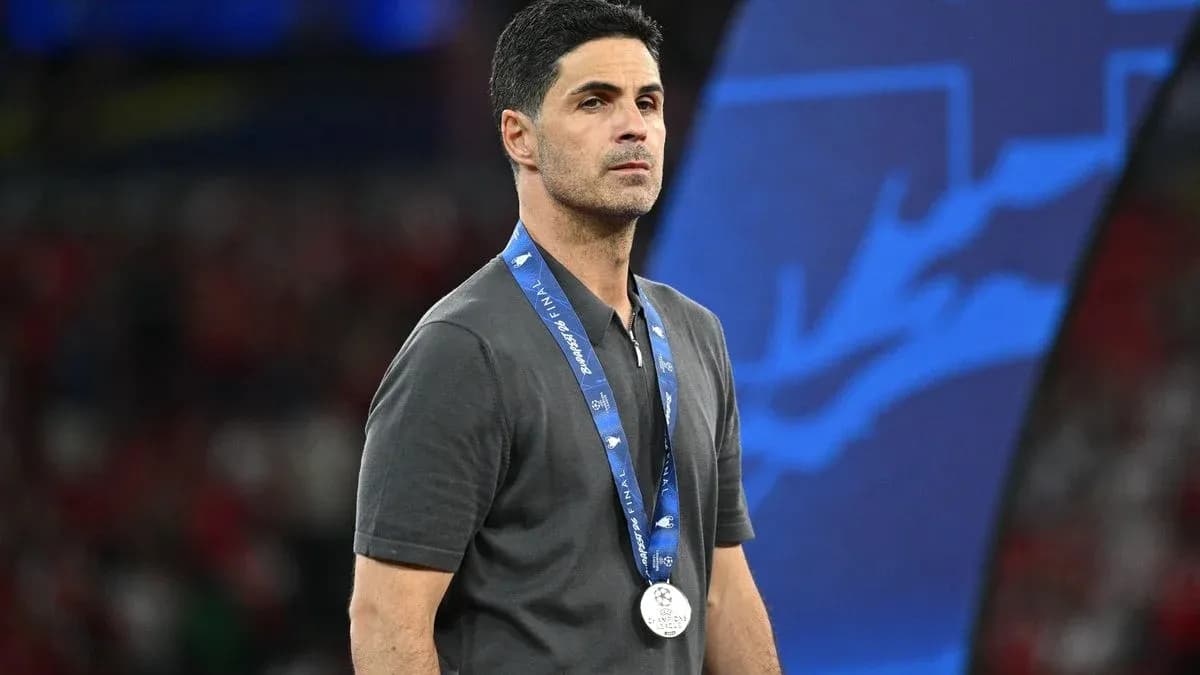
Arsenal’s season, on paper, is historic. A first Premier League title in 22 years, a return to the very top of English football, and a run to just their second Champions League final. Mikel Arteta has dragged the club from drift to relevance, from hopeful to heavyweight.
Yet the defeat to PSG laid bare a truth that Arteta and his staff have been circling for months: to stay at this level, let alone dominate it, this squad needs another jolt of quality.
The final in Budapest ended 1-1 after extra-time, Kai Havertz scoring Arsenal’s only goal before the tension of the shootout broke them. Eberechi Eze and Gabriel both missed from the spot. Two kicks, two slips in concentration, and a 20-year wait for Champions League redemption stretched further into the distance.
Arteta’s response is not to cling to sentiment. It is to accelerate.
Four positions, one message
The blueprint for the summer is already clear. Arsenal want a left winger. They want a centre-forward. They want a right-back. They want a new midfielder capable of operating as both a six and an eight.
That is not tinkering. That is a manager effectively redrawing the spine and edges of his team in one window.
The Athletic’s David Ornstein, speaking on TNT Sports, framed the centre-forward situation with one pointed observation. Victor Gyokeres, signed last summer for significant money and instrumental in getting Arsenal to the final, started that showpiece on the bench. Havertz led the line instead.
“The number nine position is interesting,” Ornstein said, highlighting Gyokeres’ role in the journey and his absence from the starting XI on the biggest night. When the game demanded a ruthless, penalty-box predator, Arteta turned elsewhere.
That decision, on its own, tells you how unsentimental this summer could become.
On the left flank, the search has been long-running. Arsenal have been monitoring options there for years, but the feeling now is that this is the window when they finally push hard. The left-sided attack is viewed as a “big priority” and, with the team now champions of England and Champions League finalists, the club believe they can attract the calibre of player that truly changes the dynamic of that wing.
Alongside that, the brief in midfield is specific. Arsenal want a player who can operate as both a six and an eight, someone to dovetail with – and at times relieve – the existing core. At right-back, they want stronger competition and a profile that can both defend aggressively and support the evolving structure of Arteta’s build-up play.
Add all of that together and the picture is stark: the outlay from last summer, already significant, could be matched or even surpassed.
Big names, bigger decisions
Ambition has a cost. Not just in transfer fees and wages, but in the emotional weight of who you are prepared to move on.
According to reports, Arsenal are open to listening to offers for several established names: Gabriel Martinelli, Leandro Trossard, Ben White and Gabriel Jesus. Four players who have all played major roles at various stages of Arteta’s project. Four players on big contracts, big wages, and now, potentially, big decisions.
None of them has been publicly put on the market, but the message is unmistakable: no one is completely safe if the right bid lands and the right replacement is available.
The Daily Mail report that Arteta has accepted he needs an upgrade on the left side of his attack. That is a blunt assessment when Martinelli and Trossard have both produced important moments, yet this is the level Arsenal now inhabit. It is no longer enough to be good; you must be decisive at the very top of Europe, repeatedly.
Morgan Rogers and the new profile
Among the names under consideration is Aston Villa’s Morgan Rogers. At 23, he fits the age profile Arsenal have increasingly favoured: young enough to grow, proven enough to contribute immediately.
Rogers’ versatility is a major attraction. He can operate as a left-sided forward, stretching the pitch and attacking full-backs, or slide inside into the No 10 role and link play between the lines. That dual threat mirrors the tactical flexibility Arteta demands across his front line.
Arsenal are not alone in their admiration. Several top clubs are in the mix, but the north London side now sell a compelling project: Premier League champions, Champions League finalists, and a manager whose track record with young, technical players is one of the most persuasive in Europe.
The money is there. Yet even with a strong financial position, Arsenal intend to balance the books through exits. That is not just about accounting. It is about continually refreshing a squad that has gone from chasing the top four to setting the pace.
Gyokeres, Eze and the bench in Budapest
The irony of Arsenal’s situation is hard to ignore. Last summer, they spent heavily to bring in Victor Gyokeres and Eberechi Eze, two attacking talents designed to push the team into exactly the kind of matches they are now losing by the finest margins.
In Budapest, both started on the bench.
Havertz, not Gyokeres, was chosen to lead the line. Eze, whose creativity and flair had been touted as a solution to low-block problems and tight games, could not convert his penalty when it mattered most.
Arteta has never hidden from the idea that this project would require bold calls. Benching expensive signings in a Champions League final is one of them. Considering major offers for fan favourites is another.
He knows the next step demands even more.
“We start to make some very important decisions if we want to reach another level,” he said after the final. There was no self-congratulation, no leaning on the comfort of a title and a runners-up medal in Europe. Just a clear warning of what comes next.
“We’re going to have to show that ambition,” he added. “Because we are more than capable of doing it, but it’s going to demand to be very, very ambitious, very fast and very smart.”
Ambition. Speed. Intelligence. Three words that sound like a slogan, but inside Arsenal this summer, they will function more like a mandate.
The club have climbed back to the summit of English football. They have stood on the brink of European glory and felt it slip away. The question now is not whether they belong at this level.
It is whether they are willing to be ruthless enough, in the next few months, to make sure they stay there.