Austin Hays Heads to Injured List with Hamstring Strain
Austin Hays hopped the final few steps toward the warning track, grabbed at his right leg, and the air went out of the White Sox’s evening.
By the time he left the field in the fourth inning, the outcome felt inevitable. On Friday night, manager Will Venable confirmed it: Hays is heading to the 10-day injured list with a right hamstring strain, a setback that cuts into an already thin Chicago roster just 10 games into the season.
To patch the hole, the club selected the contract of outfielder Dustin Harris from Triple-A Charlotte. Right-hander Mike Vasil, already sidelined, moves from the 15-day to the 60-day IL to clear a 40-man spot.
Hays’ stop-start beginning stalls out
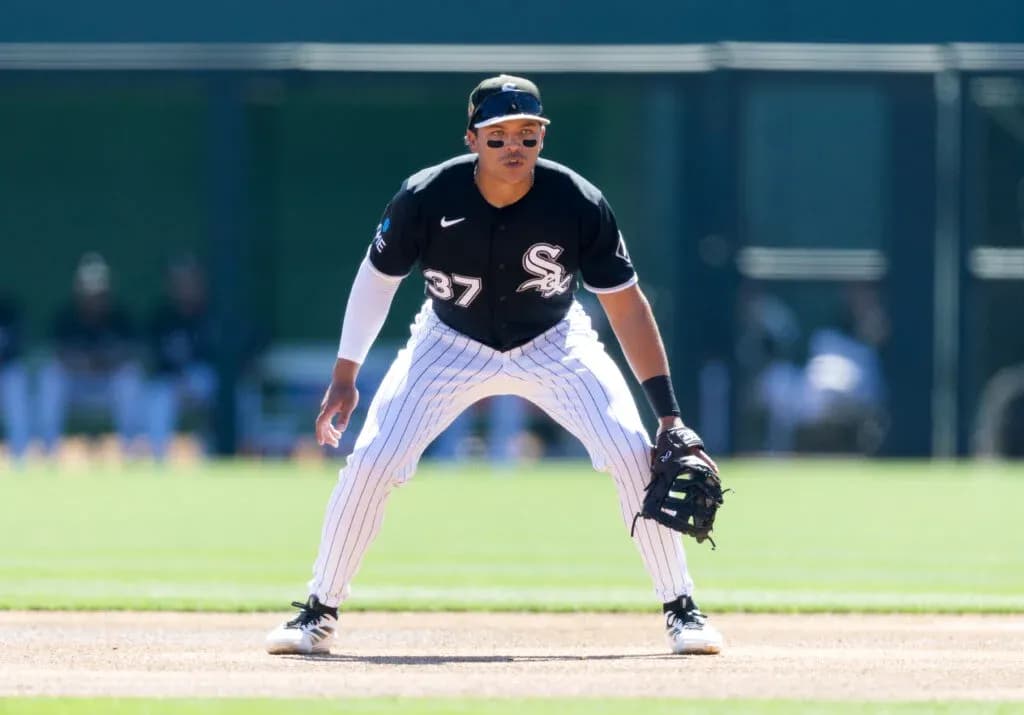
Hays, 30, arrived on the South Side this winter on a one-year, $6MM deal meant to stabilize left field and give the lineup a bit of veteran edge. Venable backed that plan early: Hays started in left in eight of the team’s first 10 games.
The production hadn’t followed yet. Through 33 plate appearances, Hays carried a .586 OPS and 56 wRC+, numbers that speak to a slow start rather than a settled slump. The White Sox were betting that his track record would surface over the longer haul.
Instead, they watched him pull up lame chasing a fly ball, his gait breaking into an awkward hop as he closed on the play. He stayed in long enough to finish it, then walked off, done for the night and now for at least the next 10 days. The club has not disclosed the grade of the hamstring strain, leaving the timeline beyond the minimum stay unclear.
For a roster already operating without much margin, losing a primary corner outfielder this early cuts deep.
Harris gets his opening
With no healthy position players remaining on the 40-man roster, Chicago had only one option: reach outside it.
Enter Harris, a 26-year-old left-handed hitter who signed a minor league deal with the White Sox over the winter and quietly worked his way into consideration. He brings versatility across the outfield, speed, and a history that once had him ranked among the Rangers’ top 10 prospects.
His big-league résumé is brief but not empty. Between 2024 and 2025, Harris appeared in 21 games for Texas, covering all three outfield spots and flashing a bit of extra-base thump with two home runs and four doubles. Scouts once pointed to his left-handed power as a potential carrying tool; the White Sox would gladly take even a slice of that right now.
The challenge is obvious. Harris hits from the same side as Andrew Benintendi and Tristan Peters, crowding Venable’s left-handed options in the outfield. Matchups will dictate opportunities, and Harris may have to fight for at-bats rather than walk into them.
Still, this is the kind of break fringe players wait years for. A veteran goes down, a roster crunch opens a lane, and suddenly a minor league contract turns into a major league chance.
The White Sox didn’t plan to test their outfield depth this hard, this fast. They don’t get a choice anymore.