Tottenham's Confidence Rebuilt After Victory Over Aston Villa
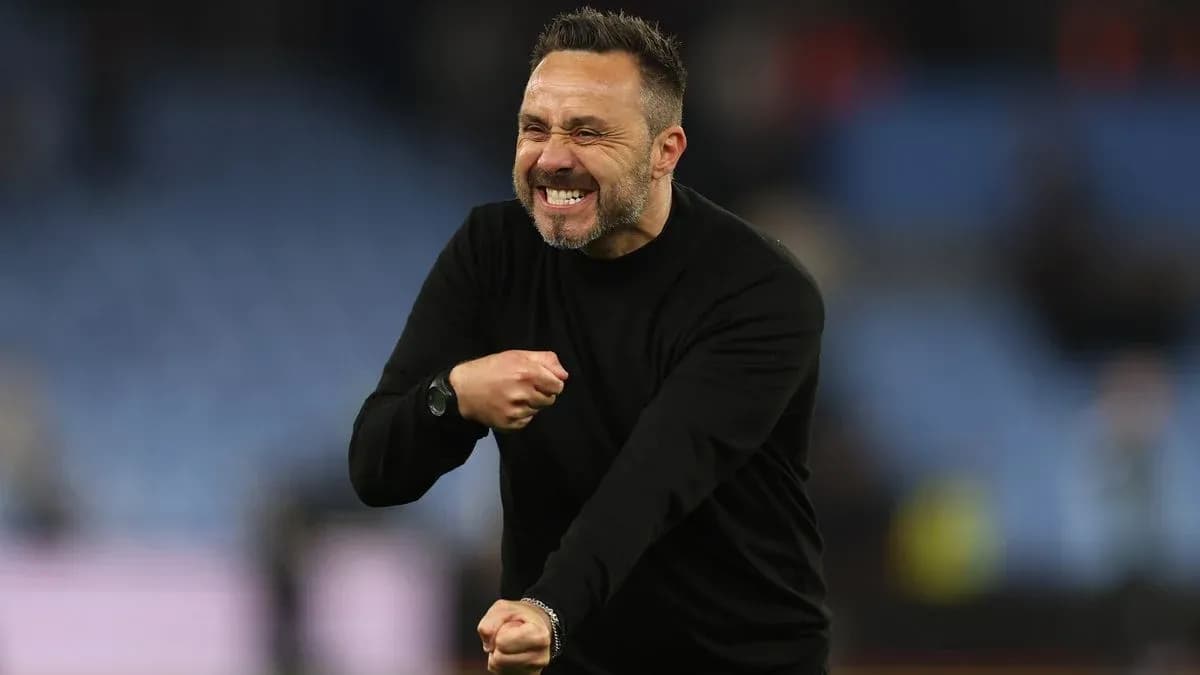
Roberto De Zerbi walked into the Villa Park press room with the look of a man who finally felt the ground steady beneath his feet.
Tottenham had just dragged themselves out of the bottom three with a 2-1 win over Aston Villa, a result that owed as much to nerve and attitude as it did to quality on the ball. For a club that has spent most of the season staring down, not up, this felt different.
A performance worth more than three points
Conor Gallagher lit the game up after 12 minutes, smashing in his first goal for Spurs after cushioning a headed clearance from Kevin Danso and drilling it into the bottom corner. A player supposedly short of confidence played like he had years of it stored up.
Minutes later, João Palhinha rattled the post from distance. The warning had been served. On 25 minutes, Villa didn’t heed it. Mathys Tel bent in a wicked inswinger from the right and Richarlison, timing his leap perfectly, buried his header. Two goals, full control, and for once Tottenham looked like a side playing with conviction rather than fear.
The second half never really caught fire. A heavily rotated Villa struggled to land a punch until deep into stoppage time, when Emiliano Buendia looped a header into the net. By then, the damage was done. Spurs were out of the relegation zone and De Zerbi had the kind of performance he can build a season on.
He was clear: this was about more than the table.
He spoke of courage without the ball, quality with it, and a first half that set the standard. The irritation came only when he mentioned the late goal conceded. Even on a night like this, he wanted 90 minutes of control, not 92 of dominance and two of sloppiness.
Confidence rebuilt, edge restored
When he arrived, the narrative around Tottenham was simple and damning: fragile, low on belief, drifting. De Zerbi rejected that from day one. He insisted the squad had “big level” players, the sort that don’t belong in a relegation scrap.
Gallagher is the perfect symbol of that shift. The Italian wanted the Chelsea version back – the all-action, everywhere-at-once midfielder. Right now, he has it. De Zerbi described a player who might as well count as a twelfth man, popping up as striker, midfielder, even full-back in the same move.
Around him, the supporting cast is starting to look like a proper unit again. Kolo Muani, he stressed, is still nowhere near his ceiling. Tel, still raw, carries “amazing potential”. Richarlison remains a Brazil international. The message is blunt: this squad has no business fighting for survival.
And crucially, the manager believes the worst of the injury crisis is over. “Now I think the injuries are finished because otherwise it's a big problem,” he said, half-relieved, half-knowing how much that chaos has shaped their season. For a team that has lurched from one absentee list to another, just having options again feels like a tactical advantage.
Injury fears eased, finally
For once, the medical updates did not darken the mood.
Rodrigo Bentancur, who looked leggy late on, was described as “just tired”. No fresh setback, no new layoff. After everything he has been through physically, that counts as a quiet victory in itself.
There was a brief scare over Micky van de Ven as well, with the defender appearing to roll his ankle in the closing stages. De Zerbi brushed it away: “No, no, no. He's ok.” Given how often Spurs have seen key players disappear just as they hit form, those four words will echo almost as loudly as the final whistle for supporters.
For a manager who has spent weeks juggling line-ups and patching together systems, the idea of finally working with something close to a full squad changes the entire outlook of the run-in.
Passion, tackles, and a new edge
The numbers and tactics tell only part of the story. The other part came in the tackles.
Every time a Spurs player won a duel, they roared. Fists clenched. Shirts grabbed. This was a team feeding off the fight as much as the football. De Zerbi loved it. He singled out Palhinha, miming grabbing his shirt, a picture of the combative midfielder he wants at the heart of this team.
He hasn’t ordered the celebrations after every challenge. He doesn’t need to. When he sees that kind of passion, as he put it, he “becomes crazy” in the best possible way. It’s a visible, emotional shift from the flat, anxious side that went weeks without a win.
At the back, Kevin Danso stepped in for Cristian Romero and held his nerve. De Zerbi praised his defending and hinted at another level still to come with the ball. This is the theme: improvement expected, not hoped for.
From crisis to possibility
De Zerbi admitted he’s still surprised this squad has spent so long in trouble. But he also pointed straight at the reasons: a brutal league, a long stretch without wins, and a confidence drain that made every game feel heavier than the last.
He referenced Nottingham Forest as a warning and an example – another big club dragged deep into trouble before clawing their way out. In this division, he knows, reputations don’t save you.
Two wins in a row won’t erase months of struggle, but they do something else: they create momentum. De Zerbi has already said he believes Spurs can win every game until the end of the season. He isn’t backing away from that. What he wants now is balance – the memory of how bleak things looked before Wolverhampton, and the belief generated by Villa Park.
Next up is Leeds. Another hard game. Another test of whether this version of Tottenham – fitter, braver, finally close to full strength – is here to stay.
The injuries, for now, have stopped. The excuses have too.